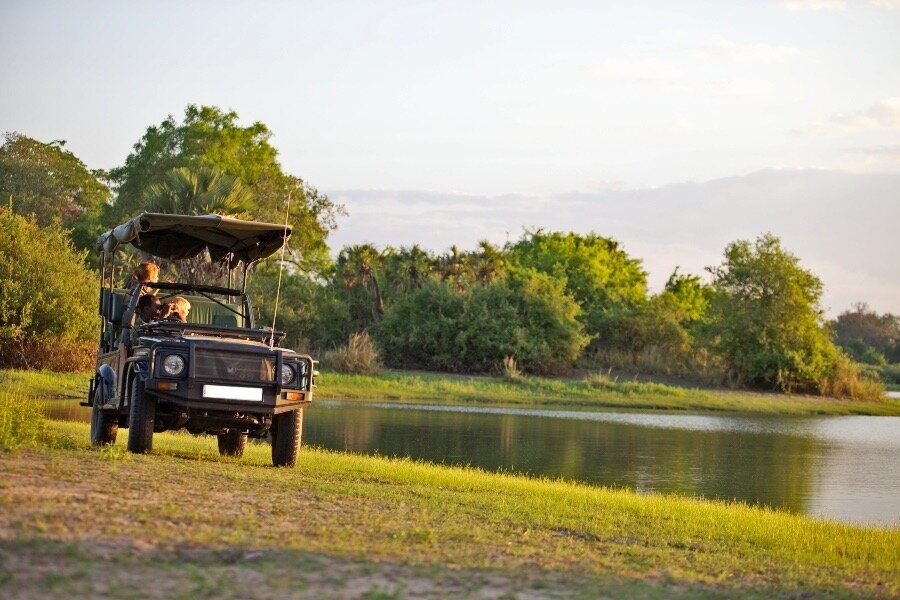
Morning and afternoon drives in Burigi-Chato National Park run at the two ends of the day when wildlife is active, typically three to four hours from first light and again from mid-afternoon until the gates close at six. The middle hours are best used for rest or ridge routes. Burigi-Chato covers 4,707 square kilometres of northwestern Tanzania, where animals lie up through the heat in medium and tall grass that hides them completely.
Sitting close to the equator, this park has an unusually fixed daily rhythm. The clock barely moves across the year.
Why Timing Matters More Than Distance on a Burigi-Chato Safari
The temptation on any Burigi-Chato safari is to drive more hours in a park this large. It rarely works, and the reason is behavioural rather than logistical.
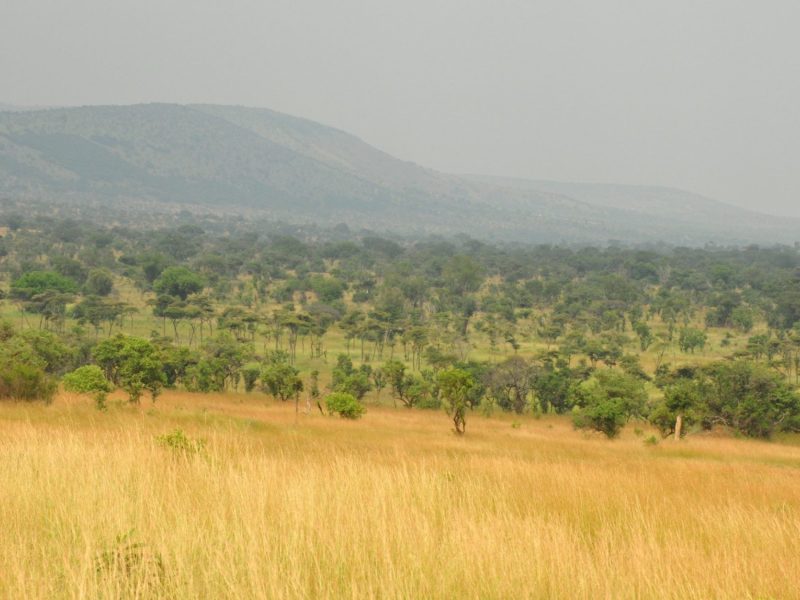
Animals here follow the heat. Through the middle of the day they move into shade and lie down, and in medium and tall grass beneath open woodland canopy a resting buffalo twenty metres from your track is invisible. Predators do the same, only more so. Nothing you do with a steering wheel changes that.
What does change your day is being out when they are moving, which means the first two hours of light and the last two. Everything else is transit.
Two sharp sessions beat one long one. A dawn drive and a late afternoon drive, with a proper break between, will out-produce eight continuous hours in the vehicle every time and leave you fit enough to do it again tomorrow.
The Dawn Game Drive Safari: First Light to Mid-Morning
Park driving hours run from six in the morning, and you want to be moving at exactly that.
The first hour is the most productive of the day. Nocturnal animals have not yet settled and diurnal ones are already active, which gives a short overlap when both are findable. Predators that hunted overnight may still be at a kill or moving back to cover. Grazers are out on the open ground before the heat pushes them in.
Mist sitting on the floodplain with the tree line behind is the classic dawn scene here, and it burns off fast. Light is low and warm and comes in at an angle that flatters everything.
Work the water edges and the floodplain margins first, then move to woodland as the light rises. By nine the mist is gone; by ten the ground is heating and activity drops off sharply.
Dress for cold. Nights here are genuinely cool and an open vehicle at six adds wind chill on top.
The Dawn Boat Safari as an Alternative to Driving
If you are based near Lake Burigi, the strongest use of first light is not a drive at all.
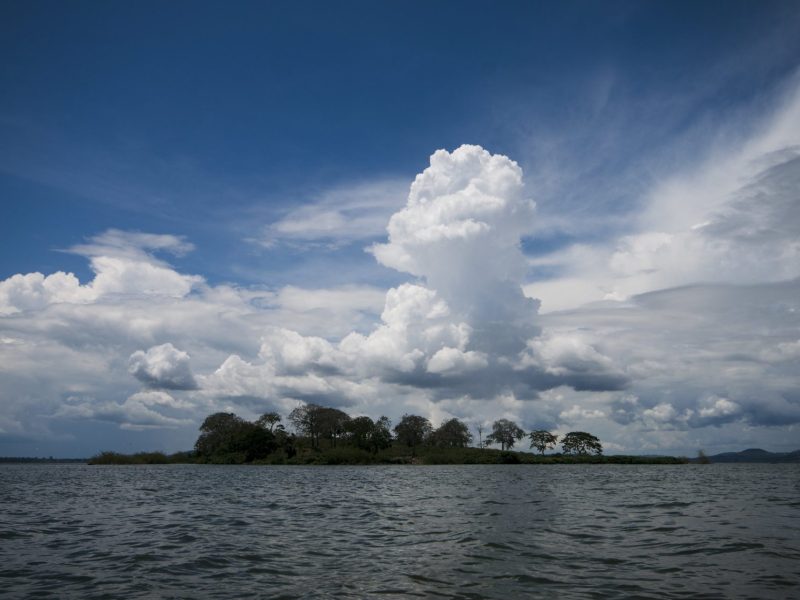
A boat at dawn on the lake gives you water-level perspective on a shoreline no vehicle reaches, with hippo pods surfacing, large Nile crocodiles on the mud banks and African fish eagles at unusually high density along the water. In the dry months, elephant, buffalo, zebra, waterbuck and topi come down to drink.
It is also the only window in which sitatunga are realistically findable, since they feed at the papyrus margins around first and last light and withdraw into the reed beds through the day.
Canoeing, capped at three hours per session here, is quieter still and better for shy species along the reed lines.
Alternate the two across a stay. A boat one morning and a drive the next uses your dawns better than repeating either.
The Middle of the Day and What to Do With It on Safari
Between roughly ten and three, wildlife viewing drops off and the sensible options change.
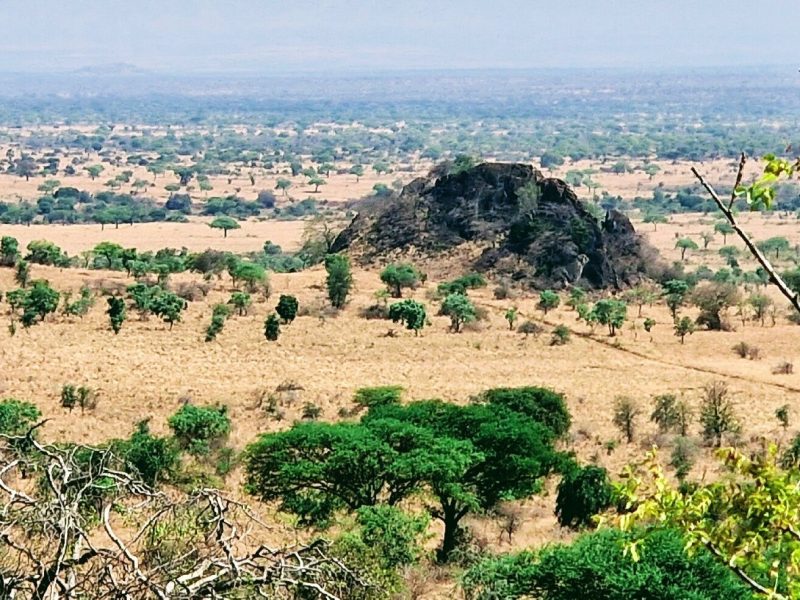
Ridge and escarpment routes come into their own here. Driving a crest in the heat is unproductive for close sightings but excellent for reading the park, working out where the drainage lines run and deciding where to be at dusk. The valley walls above Lake Burigi give the best elevated views in the park, looking down a lake running roughly 30 kilometres long and about 4 kilometres wide.
Crocodiles are the exception to the midday rule, basking openly on mud banks and sandbars precisely when everything else has gone quiet. Rock hyrax sun themselves on exposed faces along the crags.
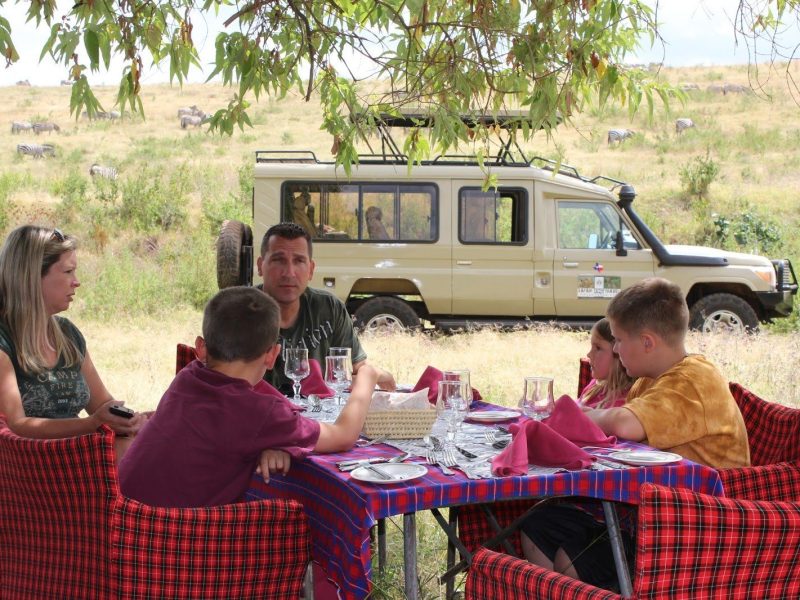
Bush meals are charged nominally in designated areas, which lets you build a proper stop into the day rather than eating in the vehicle. Otherwise return to camp, rest and sort out kit.
The middle of the day is not wasted time, it is preparation. Use it to find the ground you will work at dusk.
The Afternoon Game Drive Safari: Mid-Afternoon to Sunset
The second session usually starts around three or half past and runs until the gates close at six.
Activity builds through it rather than starting high. Early on you are looking at grazers moving back out onto the open ground as the heat eases. By five the light is dropping and predators begin to stir. Hippo start shifting out of the deeper water toward their night grazing.
This is the session for the floodplain margins and the water edges, where lion sit to watch grazing herds and where everything comes to drink. It is also the better of the two sessions for a leopard, since they become active toward dusk.
Light in the last hour is the best of the day, and in the dry season dust in the air gives backlit atmosphere that mornings do not produce.
Watch the clock. Six is the gate closing time and you need to be at your accommodation, not still driving toward it.
Sundowner Stops on an Afternoon Game Drive Safari
Sundowners are permitted in designated areas across Tanzanian national parks for a small per-person fee, and this is how you legitimately end an afternoon drive out of the vehicle.
Ask your guide for the designated spots by name rather than assuming any pleasant ridge will do. Getting out of a vehicle inside a national park is regulated, and the designated areas exist because they have been assessed.
The western-facing viewpoints above Lake Burigi are the ones to ask about, since the sun drops behind the ridges beyond the water. Light fades fast this close to the equator, so be in position well before you want to be.
Plan the drive back against the six o’clock closing rather than lingering.
Adding a Night Game Drive Safari After Dusk
Burigi-Chato permits night driving, which is prohibited across much of the Tanzanian park system and available in only a handful of parks including Katavi, Ruaha, Mikumi, Tarangire, Lake Manyara, Nyerere and Ibanda-Kyerwa.
It adds a third session to the day. Serval hunt the long grass at wetland margins after dark, genet and civet work the tracks, spotted hyena are on the move, and leopard become findable. Owls and nightjars come into play.
Specific guidelines apply, a guide is required, and it needs booking in advance rather than raising on the evening. The valley floors are the ground to work.
Night nature walks are also offered in applicable parks and give a quieter version of the same hours.
How the Sessions Change Through the Safari Seasons
Sitting a little over two degrees south of the equator, this park has near-constant day length year round, with sunrise and sunset varying by only minutes across the seasons. Your drive timings barely change.
June to September: Both sessions at their most productive. Grass is low, animals concentrate on permanent water, and dust in the late afternoon gives the best light. Dawn is at its coldest, so layer properly.
October to December: Afternoon storms can cut the second session short. Mornings are frequently clear and remain reliable. Storm light after a downpour is the best scenic light of the year.
January to February: Both sessions workable, with high grass reducing what either produces. Very quiet in visitor terms.
March to May: Sessions get shortened by rain and by track conditions rather than by wildlife. Base near the lake so that a dawn boat trip is available when a drive is not.
Planning a Two Day Safari Around the Drive Sessions
Two days with one night gives you three sessions, and how you spend them decides the trip.
A workable shape: arrive in the afternoon and take a late drive on the way in, sleep at a campsite or the park rest house, take a dawn boat safari or drive the next morning, then a final short session before leaving. That is one afternoon and two mornings if you time the departure well.
Three days with two nights gives you five sessions and room for a night drive. This is the length most visitors should book, because two dawns is what turns a sitatunga attempt from a gamble into a fair try.
Staying inside the park rather than in Chato or Bukoba is what makes early sessions possible at all. A town base means driving in after the best hour has gone.
Frequently Asked Questions About Morning and Afternoon Safari Drives
What do the drives cost?
Drives themselves carry no separate charge beyond your park entry. The conservation fee is currently US$30 per person per day for non-East African adults aged sixteen and above and US$10 for children aged five to fifteen, with US$15 and US$5 for expatriates and Tanzanian residents and TZS 5,000 and TZS 2,000 for East African Community citizens. Vehicle entry runs from TZS 20,000 per day for a Tanzanian registered vehicle up to 2,000 kilograms. A park guide is US$20 per group per day, sundowners US$5 per adult, and night game drives US$50 per adult. Add 18 percent VAT throughout.
What time do the gates open and close?
Driving hours in Tanzanian national parks run from six in the morning to six in the evening, with a 50 kilometre per hour speed limit and a requirement to keep to authorised tracks. Night game drives are a permitted exception here with a guide and the appropriate fee. Plan your afternoon session so you are back at your accommodation by six rather than still driving toward it.
Which session is better, morning or afternoon?
Morning, narrowly, because the first hour of light catches the overlap between nocturnal animals not yet settled and diurnal ones already active. Afternoon has its own advantages: the best light of the day in the last hour, dust giving backlit atmosphere in the dry season, and leopard becoming active toward dusk. Do both rather than choosing, and use the middle of the day for a ridge route or a rest.
How long should each session be?
Three to four hours. Beyond that you are driving through the hours when animals have lain up in grass that hides them completely, which burns fuel and patience for very little return. Two sharp sessions with a proper break between will out-produce a continuous day in the vehicle and leave you able to repeat it the next morning.
Should I do a boat trip instead of a morning drive?
If you are based near Lake Burigi, yes, at least on one morning. The boat safari gives water-level perspective on a shoreline no vehicle reaches, with hippo, Nile crocodile and African fish eagles close to certain, and it is the only realistic window for sitatunga at the papyrus margins. It costs US$20 per person, with canoeing at US$10 for up to three hours. Alternate boat and drive across a stay rather than repeating either.
Do drive times change through the year?
Barely. The park sits a little over two degrees south of the equator, so sunrise and sunset vary by only minutes across the seasons and your session timings stay more or less fixed. What changes is what the sessions produce: dry season mornings from June through September are the most productive of the year, while afternoon storms in the wet months can cut the second session short.
Can I stay out through the middle of the day?
You can, but there is little reward in it. Wildlife lies up in shade through the heat and becomes all but invisible in tall grass. Better uses of those hours are a ridge or escarpment route for the elevated views above Lake Burigi, a bush meal in a designated area, or a rest at camp. Crocodiles basking on mud banks and rock hyrax on the crags are the exceptions that are easier to find at midday than at dawn.
Booking Your Burigi-Chato Trip
The safari companies and tour operators listed on this website put trips like this together for a living and know which camps, guides and routes actually deliver. We are an independent guide to Burigi-Chato; we do not book or sell tours ourselves.
When you are ready, arrange your safari, tour or holiday with one of the recognised operators listed here. Tell them your dates and what matters most, and a real person, not a form, will handle the itinerary, park bookings and logistics for you.