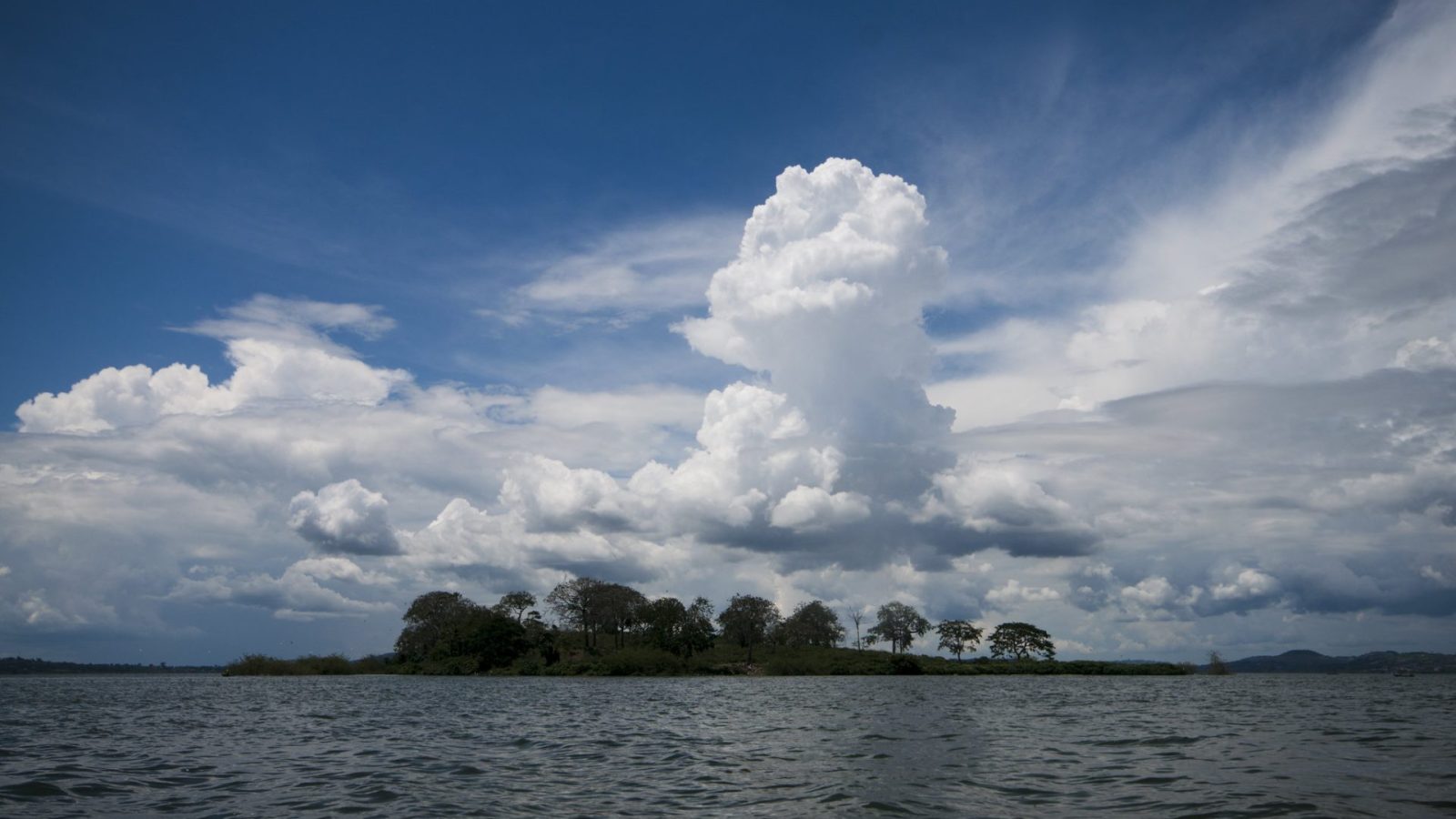
Burigi-Chato National Park’s proximity to Lake Victoria puts its eastern boundary on the lake shore around Bunkwe Bay, roughly 40 kilometres from Chato town and within a day’s travel of Mwanza, Bukoba, Rubondo Island and the western Serengeti. That position makes the park easy to combine with a wider Lake Zone safari circuit rather than visiting alone. Burigi-Chato spans 4,707 square kilometres of northwestern Tanzania, stretching from the lake in the east to the Rwandan border in the west.
The location is the practical case for going. Very few people fly in for this park alone.
Where the Park Meets Lake Victoria on a Burigi-Chato Safari
A Burigi-Chato safari starts to make sense once you look at where the park sits rather than what is inside it. The protected area runs east to west across the top of Tanzania, with the Kagera swamps and the Rwandan border at one end and the Lake Victoria shore at the other.
On the eastern side the ground slopes down toward the lake, and the soils there are poorer, carrying large stands of Acacia xanthophloea, the yellow-barked fever trees that mark low-lying wet ground across East Africa. The park boundary reaches the water around Bunkwe Bay. Chato town, which gives the park half its name, sits on the lake shore about 40 kilometres from the Katete Gate.
Lake Victoria is the largest lake in Africa and the second largest freshwater lake on earth by surface area, shared between Tanzania, Uganda and Kenya alike. Tanzania holds the largest share of it.
Chato, Bukoba and the Lakeside Towns That Base Your Safari
The lake shore is where the region’s infrastructure sits, and it is where visitors to Burigi-Chato actually sleep, eat and refuel.
Chato is the closest town of any size, on the lake in Geita Region, with an airport receiving domestic services. Bukoba sits further north on the western shore in Kagera Region, larger, with scheduled flights and a lake ferry connection, and it is around two to three hours from the park by road. Biharamulo lies inland to the south and has an airstrip. Kayanga, further west toward Karagwe, has guesthouses used by visitors heading for the Rumanyika-Karagwe side.
Mwanza, the biggest city on the Tanzanian lake shore, is roughly 150 kilometres away with a drive of three to five hours depending on route and season.
Base your logistics on the lake towns rather than on the park. Fuel, cash, groceries, medical facilities and reliable mobile signal are all on the shore, and none of them exist inside Burigi-Chato. Stock up before you turn inland.
Rubondo Island Safaris From the Same Stretch of Lake
The strongest pairing for Burigi-Chato is Rubondo Island National Park, sitting in the southwest corner of Lake Victoria and reachable from the same road and air network.
Rubondo covers around 240 square kilometres and is the largest island national park in Africa, gazetted in 1977 after earlier status as a game reserve. It protects Rubondo Island and nine smaller islands, and its main draw is a chimpanzee population descended from animals released there decades ago, now the subject of a habituation programme. Sitatunga occur on Rubondo too, alongside elephant, giraffe, bushbuck, hippo and crocodile, with a bird list running past four hundred species.
Access is by air to the Rubondo airstrip from Mwanza, Serengeti, Arusha or Dar es Salaam, or by boat and ferry from Mwanza and the lakeside villages. A flight from Mwanza takes around an hour.
The two parks complement each other rather than repeating. Burigi-Chato gives you savannah, ridges and open water. Rubondo gives you forest, chimpanzees and swimming.
Combining a Burigi-Chato Trip With the Western Serengeti
The western corridor of Serengeti National Park is accessible from Mwanza, with the Ndabaka Gate roughly 145 kilometres from the city on a drive of three to four hours. That puts Burigi-Chato and Serengeti within reach of each other via the same hub.
For travellers doing the northern circuit, this opens a genuinely different routing: fly into Mwanza rather than Arusha, run the western Serengeti, then drop into the Lake Zone parks on the way out. It works particularly well during the months when the wildebeest migration is in the western corridor.
Be realistic about the contrast. Serengeti will out-deliver Burigi-Chato on wildlife density by a wide margin, and going straight from one to the other can make the smaller park feel empty. Many people find it works better in the other order.
Burigi-Chato rewards travellers who are already in the Lake Zone. As a destination you fly to specially, the arithmetic rarely holds up.
Saanane Island, Mwanza and the Lake Zone Tour Circuit
Mwanza is the natural anchor for a Lake Zone itinerary and has more to offer than a transit night.
Saanane Island National Park sits in the lake within sight of the city and is the smallest national park in Tanzania, reachable by a short boat crossing. Bismarck Rock, the balanced granite formation off the Mwanza shoreline, is the city’s landmark. The fish markets and the Sukuma Museum at Bujora give a cultural dimension that the parks do not.
Boat and yacht routes along the southern shoreline and islands of the lake can start or end at Burigi-Chato, and a circuit taking in Saanane, Rubondo and the park works well from either Mwanza or Musoma.
Granite kopjes and inselbergs are a feature of the whole southern lake shore, and the drive between Mwanza and the park passes through some of the most striking of them.
Fishing Community Tours on the Lake Victoria Shore
Lake Victoria supports one of the largest inland fisheries on earth, and the communities along the Tanzanian shore near Chato and Bukoba live directly from it.
Nile perch and tilapia dominate the commercial catch, with dagaa, the small silver fish dried in the sun on racks and open ground, forming the staple protein trade. Boats go out overnight and come in at dawn, and the landing sites at first light are the most active thing happening anywhere near the park.
Cultural and community visits around the lakeside villages can usually be arranged through operators working in the region, and they give a picture of the area that no game drive will. Ask before photographing people, and expect to be asked for a small contribution, which is reasonable.
Inside the park, sport fishing is permitted under park guidelines between seven in the morning and five in the afternoon, with tilapia the mainstay. For trophy Nile perch, Rubondo’s waters are the better bet.
How the Lake Sets the Climate and Wildlife You Experience
Proximity to a body of water this size changes the weather, and Burigi-Chato benefits from it.
Lake Victoria drives strong local convection, producing rainfall patterns that are wetter and more reliable than latitude alone would suggest, and moderating temperatures so that the region avoids the extremes of the drier interior. This part of East Africa runs on two rainfall peaks, around November and December and again in March and April, with dry weather from June through September. Nights are cool and days warm rather than punishing.
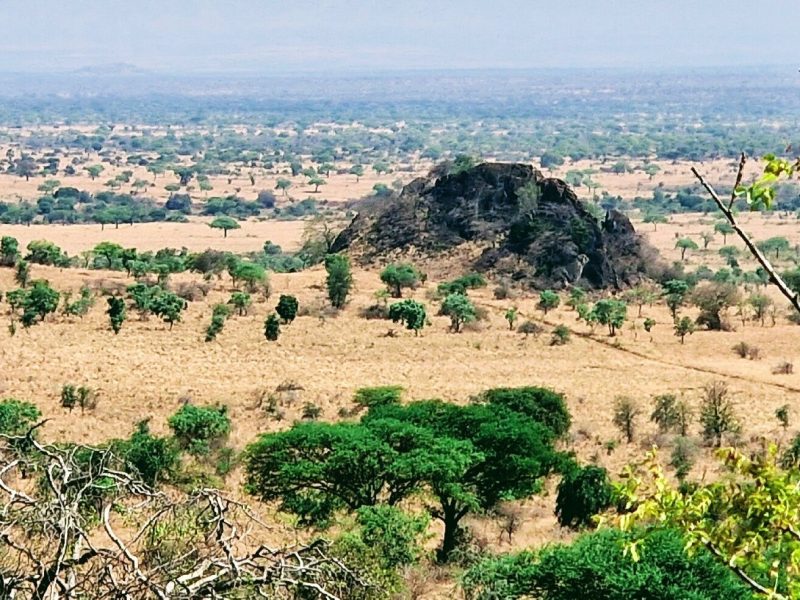
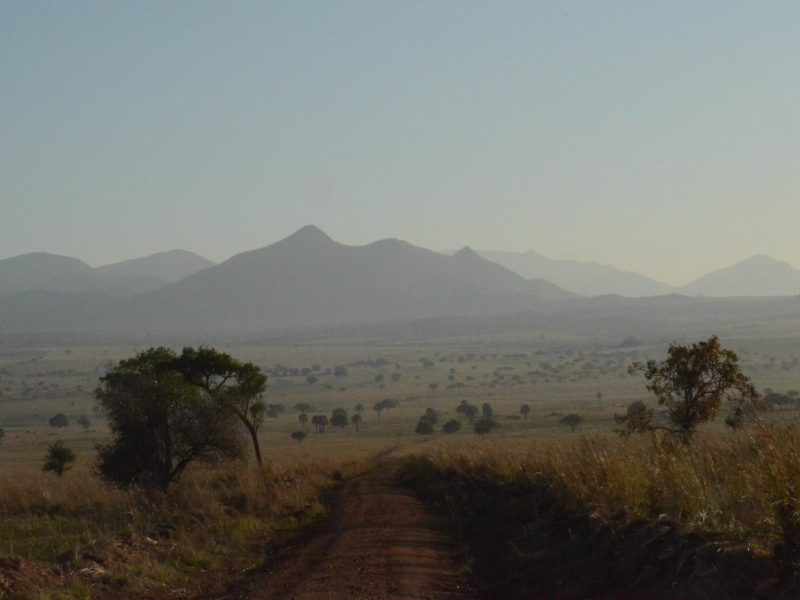
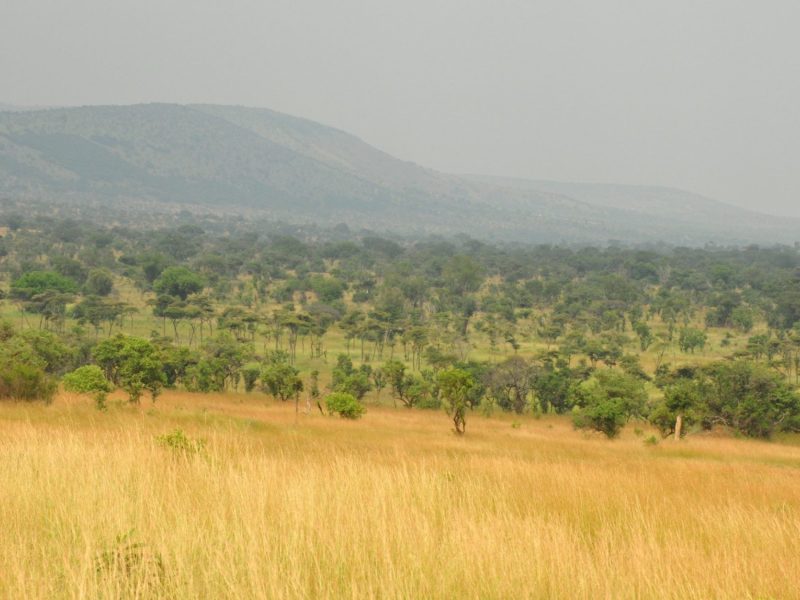
That reliability supports the mix of habitats inside the park: wooded savannah on the higher ground, riverine forest in the valleys, permanent lakes and swamps, and floodplains that fill on schedule. The Kagera River, running along the western side of the park, is the largest single tributary of Lake Victoria, so water moving through this area feeds the lake that shapes its weather.
Bird Migration and Waterbird Watching Along the Lake
The lake basin is a major flyway, and its influence on the park’s birdwatching safari potential is substantial.
Waterbird populations move along the shoreline and inland to the connected lakes and swamps, so species turn up in Burigi-Chato that are really lake birds using the park’s water. African fish eagles occur at unusually high density on Lake Burigi. Pelicans, herons, egrets, storks and kingfishers work the shoreline and the inland waters alike.
From around November, Eurasian migrants arrive through the basin and stay through the northern winter, and this is the strongest birding window of the year. African grey parrots, introduced into the wider Lake Victoria region, occur in parts of the forested ground.
Best Time for a Lake Zone and Burigi-Chato Trip
June to September: The dry season and the best all-round window. Game viewing peaks inland, lake conditions are settled for boat transfers, and road access is at its most reliable across the whole circuit.
October to December: First rains, greener country, and the arrival of migrant birds. Lake crossings are still fine. Wildlife disperses away from permanent water inland.
January to February: A drier interval and a good quiet-season choice. Rubondo is at its most pleasant and the parks are almost empty.
March to May: The heavier rains. Road access inland becomes unreliable, some lodges on the lake close, and Rubondo’s camp typically shuts during the wettest stretch.
Getting to Burigi-Chato From the Lake Victoria Safari Gateways
From Mwanza, the drive runs around 150 kilometres and takes three to five hours. From Bukoba, it is nearer at two to three hours. From Chato town, the Katete Gate is about 40 kilometres.
By air, Chato and Bukoba both receive domestic flights with a road transfer at the far end. Private charters can land at an airstrip near the Nkonje ranger post beside Lake Burigi, or at the Biharamulo airstrip. Mwanza is the largest airport in the region and connects to Dar es Salaam, Arusha, Kigali and the Serengeti airstrips.
Ferries operate on the lake between Mwanza, Bukoba and the island ports, which is the slow and interesting way to move around the shoreline if you have the days.
A 4×4 is sensible year-round for the park itself. Fuel before leaving the lake towns.
Frequently Asked Questions About a Lake Victoria and Burigi-Chato Safari
How far is Burigi-Chato from Lake Victoria?
The park’s eastern boundary reaches the lake around Bunkwe Bay, so at that point the distance is nil. In practical travel terms, Chato town on the lake shore sits about 40 kilometres from the Katete Gate, Bukoba is two to three hours away by road, and Mwanza is roughly 150 kilometres out with a drive of three to five hours depending on route and season.
What does it cost to combine Burigi-Chato with Rubondo Island?
Both parks sit in the same TANAPA fee band. The conservation fee at each is currently US$30 per person per day for non-East African adults and US$10 for children aged five to fifteen, with US$15 and US$5 for expatriates and residents and TZS 5,000 and TZS 2,000 for East African Community citizens. Boating safari fees are US$20 per person at both. All charges carry 18 percent VAT. The cost driver is the transfer between them: a flight from Mwanza to Rubondo runs roughly an hour, and boat crossings from the lakeside villages take one to four hours depending on the departure point.
Can I swim in Lake Victoria near the park?
Not near Burigi-Chato. Hippo and large Nile crocodile occur along the shoreline and in the park’s own waters, and bilharzia is present in still freshwater across the region. Rubondo Island Camp maintains a designated swimming area where the risk is assessed as low, which is the exception rather than the rule. Take local advice rather than judging by how a stretch of water looks.
Is it worth combining Burigi-Chato with the western Serengeti?
Yes, particularly if you are flying into Mwanza rather than Arusha. The Ndabaka Gate into the western corridor is roughly 145 kilometres from Mwanza on a three to four hour drive, so both parks work off the same hub. Be aware that Serengeti will out-deliver Burigi-Chato on wildlife density substantially, so many travellers find the order matters. Visiting the quieter park first tends to work better.
Which lakeside town is the best base?
Bukoba if you want a proper town with flights, a ferry connection and a range of accommodation, at two to three hours from the park. Chato if you want to be closest, at about 40 kilometres from the Katete Gate, though options there are basic guesthouses in the US$20 to US$50 range. Mwanza if you are building a wider circuit taking in Saanane Island, Rubondo and the western Serengeti, accepting the longer drive in.
Does the lake affect the weather at the park?
Yes, considerably. Lake Victoria drives strong local convection and produces more reliable rainfall than the latitude alone would suggest, while moderating temperatures so the region avoids the extremes of the drier interior. The result is two rainfall peaks, around November and December and again in March and April, with dry weather from June through September, warm days and genuinely cool nights.
Can I visit the fishing communities on the shore?
Yes, and it is worth doing. Community and cultural visits around the lakeside villages near Chato and Bukoba can usually be arranged through operators working in the region, and the landing sites at dawn are the most active thing happening locally. Ask before photographing people, and expect a small contribution to be requested, which is fair. Nile perch, tilapia and dried dagaa are the mainstays of the trade.
Booking Your Burigi-Chato Trip
The safari companies and tour operators listed on this website put trips like this together for a living and know which camps, guides and routes actually deliver. We are an independent guide to Burigi-Chato; we do not book or sell tours ourselves.
When you are ready, arrange your safari, tour or holiday with one of the recognised operators listed here. Tell them your dates and what matters most, and a real person, not a form, will handle the itinerary, park bookings and logistics for you.