The best wildlife viewing in Burigi-Chato National Park is along the Lake Burigi shoreline and its papyrus inlets, on the floodplain margins where grassland meets woodland, and at the water crossings along the Kagera drainage. Boat safaris from the western sector consistently outperform game drives through the woodland interior. Burigi-Chato covers 4,707 square kilometres of northwestern Tanzania, and knowing which ground to work is what separates a good visit from an empty one.
In a park this large with recovering animal numbers, where you look matters more than how long you look.
Why Location Decides Your Sightings on a Burigi-Chato Safari
Two things govern where animals are on any Burigi-Chato safari, and both point the same way.
Wildlife densities here are rebuilding rather than high. The three reserves that became this park lost heavily during the mid-1990s refugee period, when large mammal populations across the area reportedly fell by around sixty percent between 1994 and 1996. Numbers have been climbing since and accelerated after national park status in 2019, but there is a lot of ground per animal.
The habitat is also difficult to see into. Hundreds of square kilometres of the park is medium and tall grass beneath open woodland canopy, and after rain that grass stands higher than an antelope.
Put those together and the answer is water and edges. Water concentrates whatever is present, and edges let you see it.
Ask your guide to plan a day that crosses at least two habitat types rather than staying in one. Woodland to floodplain, or floodplain to lakeshore, produces more in a morning than a hundred kilometres of driving through uniform country.
Lake Burigi Shoreline: The Best Wildlife Watching in the Park
The lake is where you should spend your best hours, and the reason is straightforward. Lake Burigi runs roughly 30 kilometres long and about 4 kilometres wide along a valley floor with a scatter of islands, and it holds water when everything else has dried out.
Hippo pods and large Nile crocodiles are constant here, which makes this the only part of the park where large animals are close to certain. African fish eagles occur at unusually high density along this shoreline. In the dry months, elephant, buffalo, zebra, waterbuck, topi and impala come down to drink, and seeing them from the water rather than from a vehicle is a noticeably different experience.
The angle is what a boat buys you. Woodland game drives fight short sightlines and tall grass. From open water you look back at a shoreline with nothing in between.
Boat trips launch from near the ranger posts and carry a specific boating safari fee in this park. Book ahead, since capacity is limited.
The Papyrus Inlets for Sitatunga Watching
Branching off the main body of the lake are a great many inlets and bays, and park literature identifies the swampy ones as home to the rare sitatunga.
These are a specialised target rather than general game viewing ground. Sitatunga are semi-aquatic antelope with elongated splayed hooves that let them walk on floating papyrus mats, and they feed at the reed margins around dawn and dusk before withdrawing into the beds through the day.
Narrower, more enclosed bays with extensive undisturbed papyrus outperform the broad open ones. Work them slowly from a canoe if you can, since silence along a reed line is worth more than the range an outboard gives you, and canoeing is capped at three hours per session here.
Sightings are not guaranteed. Two or three separate dawn attempts across a stay is what makes it a fair try rather than a gamble.
Floodplain Margins for Game Drive Safaris
The floodplains along the drainage lines are the strongest ground for plains game and for the predators that follow them.
These low areas flood after each rainfall peak and drain through the dry months. As they dry and the grass is grazed down, the animals concentrate closer to permanent water, and by August and September the floodplain edges are the most productive ground in the park.
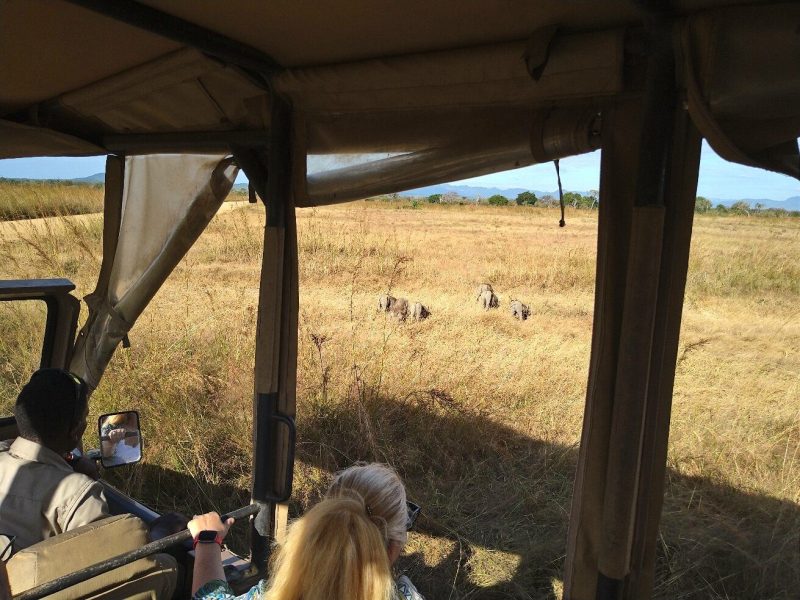
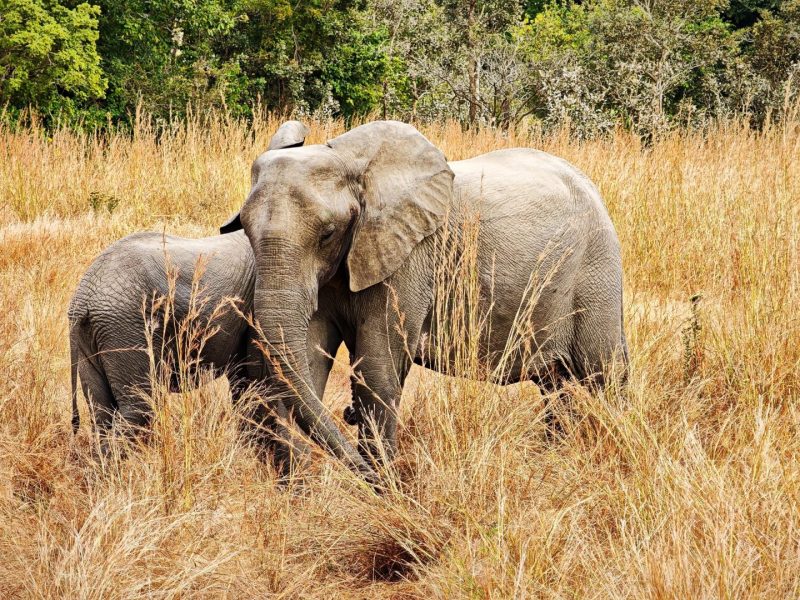
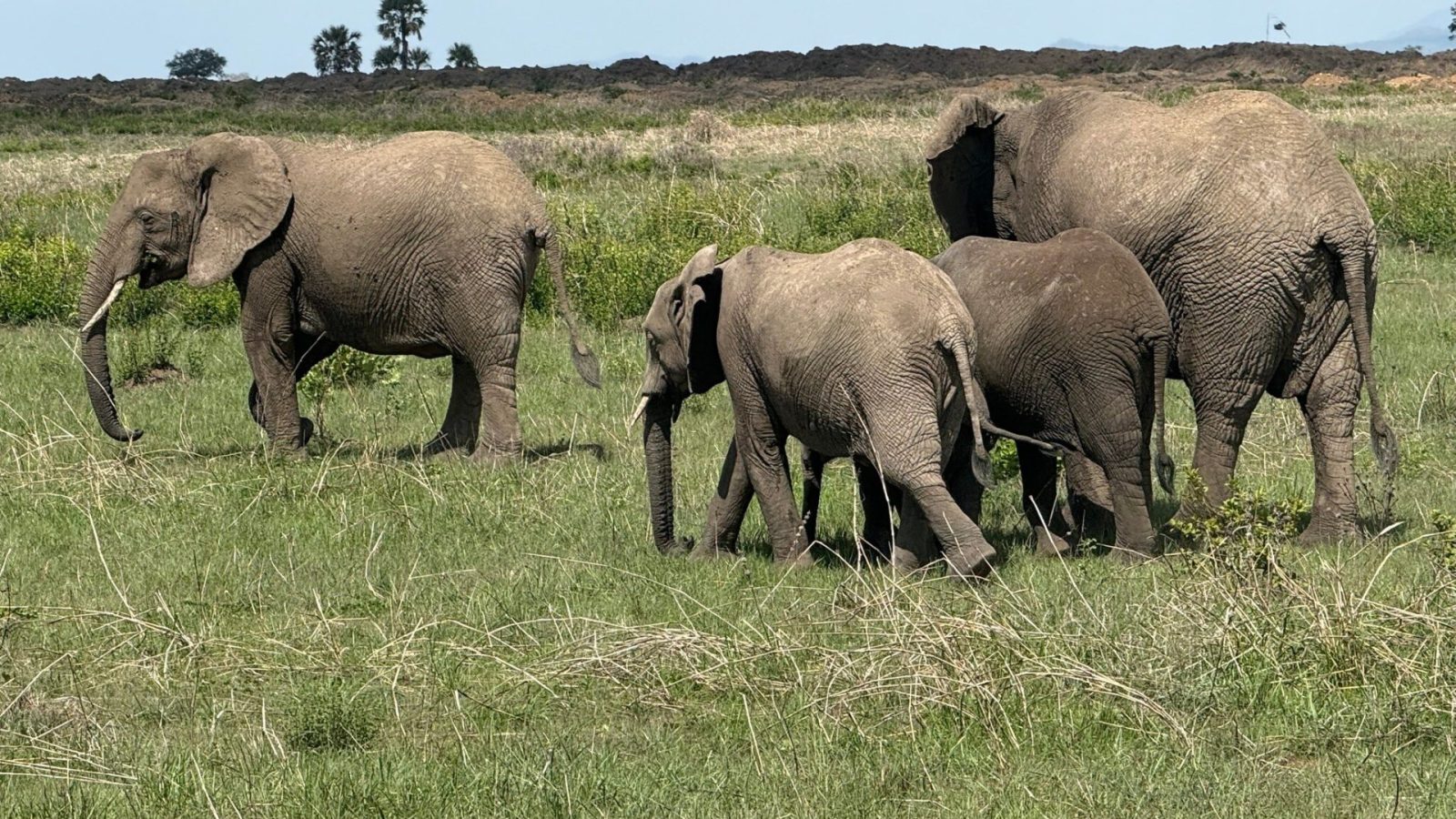
Buffalo in sizeable herds, zebra, topi, impala, eland and reedbuck all use this ground. Defassa waterbuck favour the wetter margins and are among the more reliable large antelope near water here. Elephant move along these low corridors, on routes that connect this area toward the Moyowosi country to the south.
Lion favour the open floodplain edges where they can watch grazing herds, which makes this the best ground in the park for them. Sightings remain a good day rather than a plan.
The floodplain edge in September does more for your sightings list than any amount of driving through the woodland interior.
Riverine Forest Corridors for Leopard Tracking
Where the drainage lines cut deepest, the valleys carry ribbons of riverine forest, and these corridors are worth working slowly.
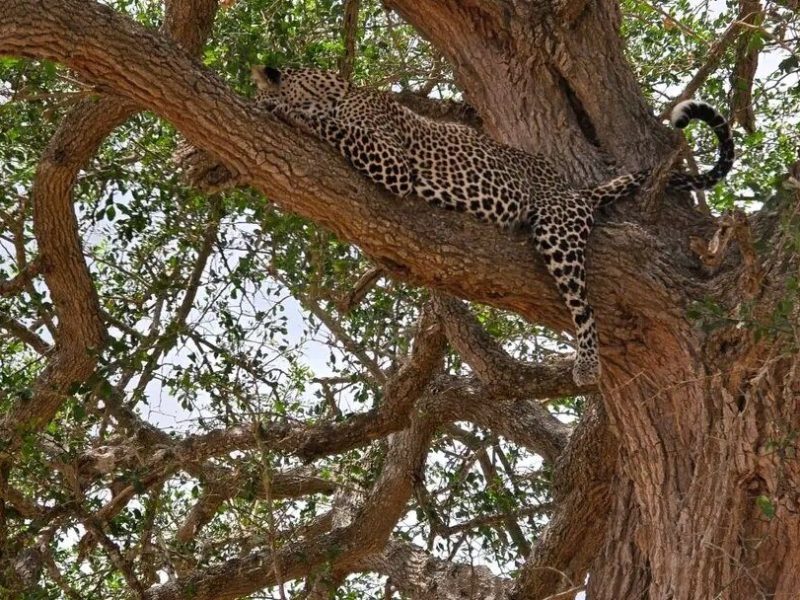
Leopard use them for cover and as movement routes, which makes scanning the tree line along a watercourse more productive than driving open ground. Look up, not just along, since a leopard lying along a horizontal limb is easy to drive under without noticing.
Bushbuck work the thicker riverine vegetation. Baboon and vervet monkey are common through these corridors. The forest edge produces different birds from the woodland above it, including kingfishers, herons and canopy feeders.
In the steeper gullies there are surviving patches of Guinea-Congo forest, which hold plants and birds absent from the surrounding country. Reaching them usually means walking, since vehicle tracks rarely drop that far.
Ridge and Escarpment Country for Klipspringer and Hyrax Watching
The park’s structure is a series of long north to south ridges with rocky crags exposed along the escarpment edges, and this ground supports a different set of animals.
Klipspringer stand on the rock edges and freeze rather than running, and they are easier to find here than anywhere else in the park. Rock hyrax colonise the boulder piles and sun themselves on exposed faces through the morning. Leopard use the crags for lying up, and the ridge country holds the prey that supports them.
Raptors work the thermals rising off warmed rock through the morning. Cliff faces give nesting and perching sites, and Verreaux’s eagle is associated with crag country wherever hyrax are present.
The ridges also give the elevated viewpoints that let you read the park. A midday escarpment drive is unproductive for close sightings but excellent for working out where to be at dusk.
The Miombo Woodland Sectors for Roan and Sable Watching
The wooded savannah that covers most of the park is the hardest ground for general game viewing, but it is where two of the more sought-after antelope live.
Roan and sable antelope are both associated with this woodland type across their range and both occur here. Sable in particular favour wooded savannah with good grass cover and access to water, which describes large parts of this park. Naming them to your guide as targets is worth doing, since they are more reliably found in woodland than on the open ground.
Eland, giraffe, warthog and oribi also use this country. Giraffe are easier to spot than most species simply because they stand above the grass.
The woodland rewards a slower pace and produces its best moments at edges: where trees meet clearing, where a track crosses a stream, where a drainage line runs through.
The Eastern Fever Tree Ground for Safaris Near Lake Victoria
East of the ridges, where the land slopes toward Lake Victoria on poorer soils, large stands of Acacia xanthophloea take over. These are the fever trees, yellow-barked and unmistakable, growing on low-lying wet ground.
This is good viewing country. The canopy is open, the ground beneath is often clear, and animals sheltering under them are visible in a way they are not in thicker woodland.
It is also the most accessible sector for anyone entering through the Katete Gate, roughly 40 kilometres from Chato town, which makes it the practical choice for a short visit arriving from Mwanza or Geita.
Do not expect the density of the lake sector. What you get is easy access and readable habitat.
Matching Your Sector to the Safari Season
June to September: Work the Lake Burigi shoreline and the floodplain margins. Animals are concentrated on permanent water, grass is low, and every sector is reachable.
October to December: Wildlife disperses across fresh grazing. Shift emphasis to the wetlands and the lake for birding, where migrants arrive from around November.
January to February: Grass is high and game is scattered. The lake and its inlets remain the most reliable ground, with the woodland at its least productive.
March to May: Stay near the lake. Ridge and escarpment routes close first, valley crossings flood, and moving between sectors may not be possible at all.
Planning a Safari Route Between the Best Areas
The park is large enough that sector choice is a commitment rather than a preference.
Driving from the Chato side in the east across to the Lake Burigi valley in the west takes most of a day, and internal tracks follow ridge crests or valley floors rather than crossing freely between drainage systems. A two-day visit should target one sector. Four to five days lets you cover two.
Your entry point decides your sector. The Katete Gate serves the eastern fever tree ground. A charter into the airstrip near the Nkonje ranger post puts you at Lake Burigi directly, and the Biharamulo airstrip serves the southern ground.
Night game drives are permitted in Burigi-Chato, which is unusual among Tanzanian parks, and the valley floors after dark are where they pay off.
Frequently Asked Questions About the Best Safari Viewing Areas
What does it cost to reach the best areas?
The conservation fee is currently US$30 per person per day for non-East African adults aged sixteen and above and US$10 for children aged five to fifteen, with US$15 and US$5 for expatriates and Tanzanian residents and TZS 5,000 and TZS 2,000 for East African Community citizens. The boat safaris that work the lake shoreline carry an additional US$20 per person, with canoeing at US$10 for up to three hours. Night game drives are US$50 per adult and US$25 per child. A park guide is US$20 per group per day. Add 18 percent VAT to all TANAPA charges.
Which single area should I prioritise?
The Lake Burigi shoreline and its inlets, reached by boat from the western sector. Hippo and Nile crocodile are close to certain there, African fish eagles occur at high density, plains game comes down to drink through the dry months, and the papyrus bays give you the park’s best shot at sitatunga. No other part of the park delivers as reliably, which is why fly-in visitors head for the Nkonje airstrip rather than the eastern gates.
Is the woodland worth driving at all?
Yes, but with realistic expectations and at the right pace. The miombo sectors hold roan and sable antelope, which are the species most worth targeting there, along with eland, giraffe, warthog and oribi. Sightings come at edges rather than in the interior, so work the drainage lines, clearings and stream crossings rather than covering distance. In the wet months, when grass stands higher than an antelope, the woodland becomes very difficult regardless of what is present.
Where are my best chances of seeing predators?
The open floodplain edges for lion, where they can watch grazing herds, and the riverine forest corridors and rocky crags for leopard. Spotted hyena work the drainage lines and are often detected by call at night before anything else. Serval hunt the long grass at wetland margins after dark. Densities are recovering rather than high following heavy mid-1990s losses, so treat any big cat as a good day. Booking a night game drive improves the odds more than any other single choice.
Can I see the best areas in two days?
One of them, not several. The park runs to 4,707 square kilometres and crossing from the eastern sector to Lake Burigi takes most of a day, since tracks follow ridge crests or valley floors rather than crossing freely. Two days means picking one sector and working it properly. Three days with two nights gives you two dawn sessions in the same area, which is what most visitors should book. Four to five days lets you cover two sectors.
Are the ridges worth the drive?
For scenery and for particular species, yes. The escarpment crags hold klipspringer and rock hyrax, which are easier to find there than anywhere else in the park, and the cliff faces support raptors working the morning thermals. The elevated viewpoints above Lake Burigi are the best in the park. Run a ridge route in the middle of the day, when the woodland below has gone quiet anyway, rather than spending prime early hours on high ground.
Which gate gives the best access to good viewing?
It depends what you are after. The Katete Gate, about 40 kilometres from Chato town, serves the eastern fever tree ground and is the practical choice arriving from Mwanza or Geita. For the lake sector, which offers the strongest viewing overall, a private charter to the airstrip near the Nkonje ranger post beside Lake Burigi puts you there directly without the long internal crossing. The Biharamulo airstrip serves the southern ground.
Booking Your Burigi-Chato Trip
The safari companies and tour operators listed on this website put trips like this together for a living and know which camps, guides and routes actually deliver. We are an independent guide to Burigi-Chato; we do not book or sell tours ourselves.
When you are ready, arrange your safari, tour or holiday with one of the recognised operators listed here. Tell them your dates and what matters most, and a real person, not a form, will handle the itinerary, park bookings and logistics for you.