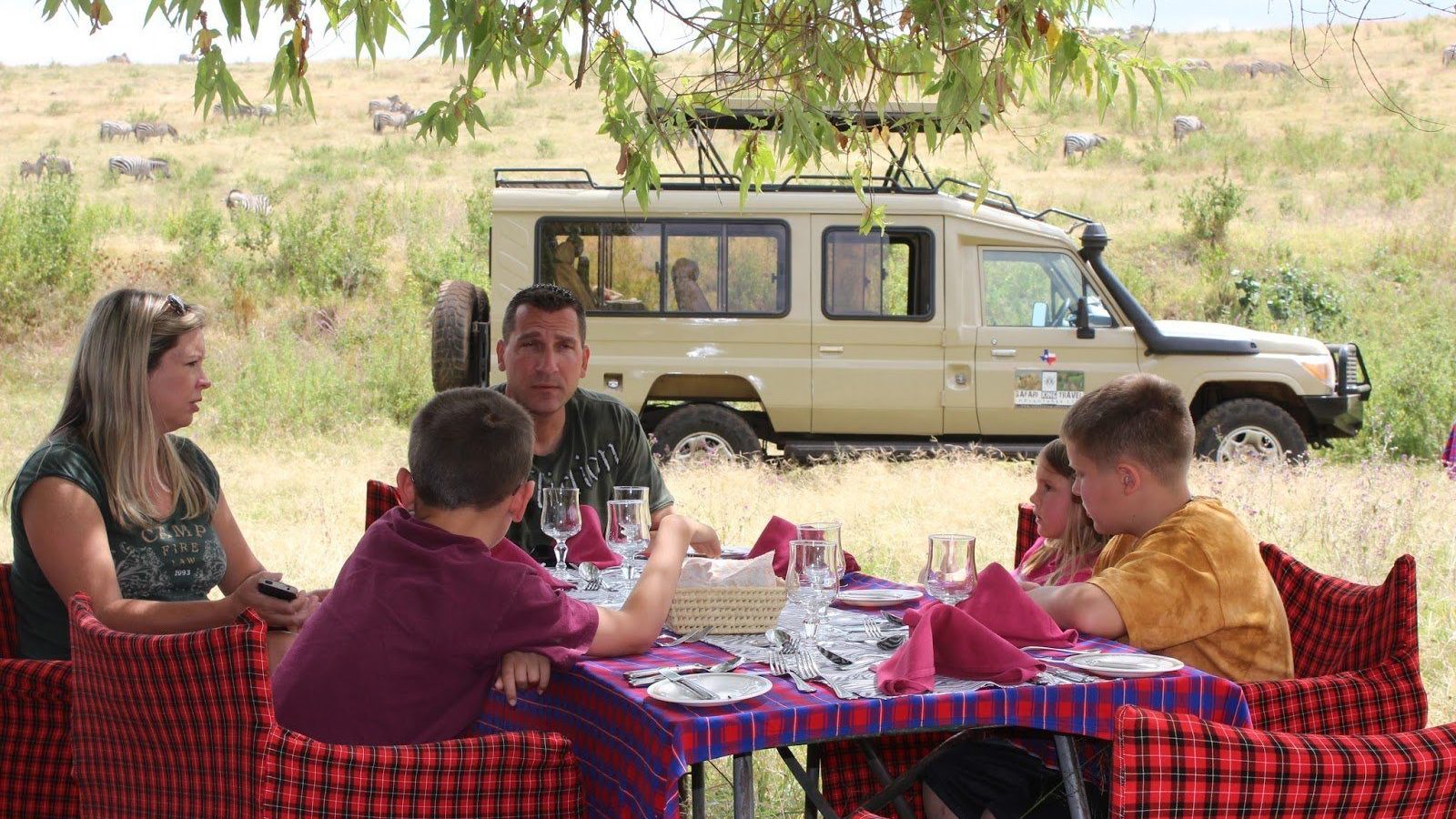
Scenic picnics in Burigi-Chato National Park are taken in designated areas under TANAPA’s bush meal arrangement, most often on the valley walls above Lake Burigi, at ridge viewpoints or on floodplain overlooks. Getting out of a vehicle is only permitted at approved spots. Burigi-Chato covers 4,707 square kilometres of northwestern Tanzania, and a midday stop fits the park’s daily rhythm better than continuing to drive.
This is not a decorative extra. Midday here is unproductive for wildlife, and a picnic is the sensible use of it.
How Bush Meals Work on a Burigi-Chato Safari
A picnic on a Burigi-Chato safari is a formal activity rather than an informal stop, and knowing the rules keeps you out of trouble.
TANAPA charges a bush meal fee per person per day across all national parks, and this is the mechanism under which you eat outside your vehicle inside the park. Sundowners in designated areas carry their own separate charge, with a reduced rate for children aged five to fifteen and free entry for under-fives.
The word designated matters. Getting out of a vehicle in a Tanzanian national park is regulated, and the approved areas exist because they have been assessed. Stopping wherever the view looks good and spreading a blanket is not permitted and is genuinely unsafe in a park holding buffalo, elephant and lion.
Ask your guide for the designated picnic and bush meal sites by name when you plan the day, rather than assuming a spot will present itself.
Build the picnic into the middle of the day on purpose. Wildlife lies up in shade through the heat and becomes all but invisible in tall grass, so the hours you would spend driving fruitlessly are exactly the ones worth spending stopped.
Picnic Spots on Safari Above Lake Burigi
The best scenery in the park is on the high ground above the water, and it makes the strongest setting for a stop.
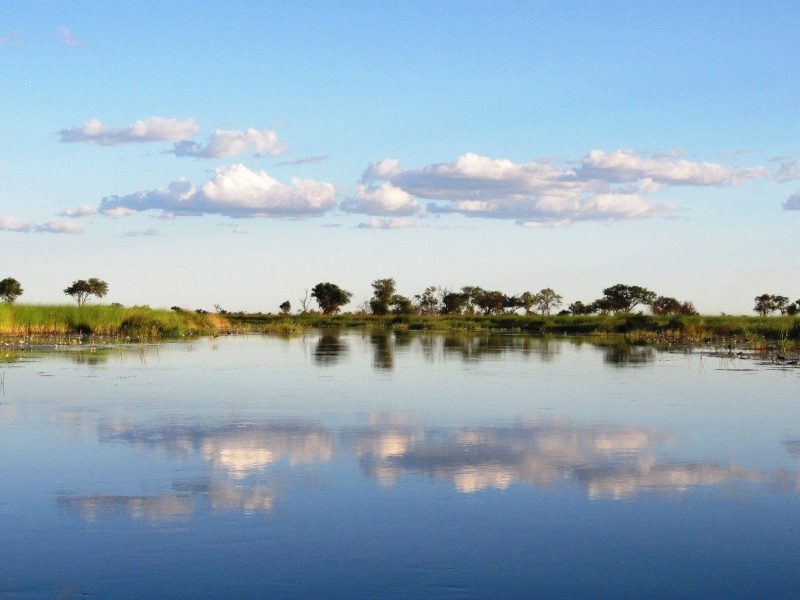
Lake Burigi runs roughly 30 kilometres long and about 4 kilometres wide along a valley floor, with a scatter of islands and a great many inlets branching off the main body. From the slopes above, you take in the whole shape at once: the water threading along the valley, papyrus at the swampy edges, the tree line following the shore, and occasional palms standing against the woodland.
Rocky crags run along the escarpment edges where the gradient has stripped the soil, giving natural seating and shade if the trees are thin.
The western-facing spots work best late in the day, since the sun drops behind the ridges beyond the lake. For a midday picnic, choose for shade rather than aspect.
Ridge and Escarpment Picnic Stops on a Viewpoint Tour
Away from the lake, the ridge country gives its own set of stopping places, and these fit neatly into a midday route.
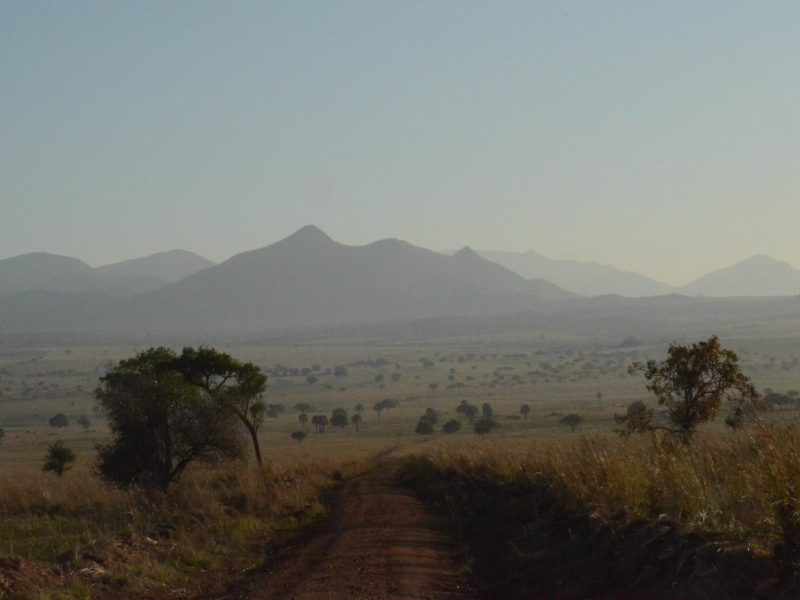
The park sits on a series of long north to south ridges separated by drainage lines flowing north. Ridge crests look east toward the ground falling away to Lake Victoria, or west across the Kagera drainage toward Rwanda. On a clear morning after rain the views run a long way in both directions, though haze builds through the day.
Driving a ridge route in the heat is unproductive for close sightings but excellent for reading the park and working out where to be at dusk. Stopping partway through for a bush meal turns a transit into the day’s second activity.
Rock hyrax sun themselves on exposed faces through the morning and are often visible from a stopped vehicle. Raptors work the thermals rising off warmed rock, so mid-morning and midday are good for watching soaring birds from a fixed position.
Floodplain Overlooks and Shoreline Picnics With Wildlife Watching
Lower down, overlooks above the floodplains combine a view with a genuine chance of wildlife while you eat.
Where a track runs along the edge of a valley above open floodplain, you look across grassland to a tree line, with animals visible at distances impossible from inside the woodland. In the dry months, when the floodwater has drained and grass is grazed down, buffalo, zebra, topi, impala and waterbuck concentrate on this ground.
Near the water, hippo pods hold in the deeper sections through the heat and large Nile crocodiles bask openly on mud banks and sandbars. Both are among the few animals more visible at midday than at dawn, which makes a shoreline stop unusually productive.
Keep well back from the water’s edge. Hippo paths run up from the lake to overnight grazing, and crocodiles are faster on land than people expect.
A midday stop above the floodplain is the only session in this park where you can watch wildlife and eat lunch at the same time without either suffering.
What to Bring for a Picnic on Safari
Self-sufficiency is the rule here. The park has no shops, no kiosks and no drinking water anywhere inside it.
Food and drink: Everything, packed in Mwanza, Bukoba or Chato. A cool box matters in this heat. Carry more water than you think you need, since there is none available inside the park.
Shade and seating: A groundsheet or camp chairs, since designated sites have no built facilities. Trees on the ridges are thin and the sun two degrees below the equator is stronger than it feels.
Protection: High-factor sunscreen, a wide-brimmed hat and insect repellent, which matters most near the wetland margins.
Waste: Sealed bags for everything you generate. Removing anything of biological interest is prohibited and so, in practice, is leaving anything behind.
Some operators will arrange a prepared bush meal, which saves you the logistics. Confirm whether the bush meal fee is included in your quote, since it is charged separately by the park.
Baboons, Safety and Picnic Etiquette on Safari
Two practical problems come up at every picnic stop in this part of Africa.
Olive baboon troops are common through the woodland and along the rock faces, and they will take unattended food without hesitation. Never leave a bag open or a plate unwatched, do not feed them under any circumstances, and pack food away before wandering off to look at a view. Feeding animals is prohibited in Tanzanian national parks because it changes diets and creates dependence on people.
The larger concern is that you are on foot in a park with buffalo, elephant and lion. Stay near the vehicle, keep the group together, and take your guide’s instructions on where you may and may not walk. Buffalo in particular are easier to walk into unseen in medium and tall grass than most visitors expect.
Do not litter, do not build fires outside designated campsites, and do not leave authorised tracks to reach a better spot.
Sundowners as the Evening Version on a Game Drive Safari
The end-of-day equivalent is the sundowner, charged separately from bush meals and available in designated areas.
The current sundowner fee is modest, with a reduced rate for children aged five to fifteen and free entry for under-fives. It is the mechanism under which you stop, get out and stand somewhere with a view as the light goes.
Light fades fast this close to the equator, so be in position well before you want to be. The western-facing viewpoints above Lake Burigi are the spots to ask about by name.
Park driving hours run from six in the morning to six in the evening, so plan the drive back against that rather than lingering. If you have booked a night game drive, which Burigi-Chato permits and most Tanzanian parks do not, the sundowner runs naturally into it.
Picnics at Campsites and Ranger Posts on a Camping Safari
If you are staying inside the park, your own site is the simplest picnic ground and carries no additional charge.
Public and special campsites sit near the lakeshore and around the ranger posts, with basic ablutions and fire pits. The Nkonje ranger post area beside Lake Burigi offers bandas and a tented camp with basic amenities, and TANAPA also runs a rest house, cottages and park-provided tents.
Eating at your own camp between sessions is what most self-drive visitors actually do, and it avoids both the bush meal fee and the logistics of carrying a meal around all morning.
Camping is permitted only in designated areas, and special, seasonal and fly campsites all require prior booking.
Best Safari Season for Scenic Picnics in the Park
June to September: The best picnic weather of the year. Dry, settled conditions, firm access to ridge viewpoints, and the clearest views. Dust builds through the afternoon, so cover food.
October to December: Storms arrive in bursts, usually afternoon and evening, so midday stops are usually fine. The country is green and the light after a downpour is the best of the year.
January to February: A drier interval between the rainfall peaks. Comfortable conditions and almost no other visitors anywhere in the park.
March to May: The heavier rains. Ridge and escarpment routes close first and ground conditions make outdoor stops unappealing. Eat in the vehicle or back at camp.
Frequently Asked Questions About Picnics on a Burigi-Chato Safari
How much does a bush meal cost?
The bush meal fee across all Tanzanian national parks is currently US$5 per person per day for non-East African visitors, expatriates and residents, and TZS 5,000 for East African Community citizens. Sundowners in designated areas are charged separately at US$5 per adult and US$2 per child aged five to fifteen, free for under-fives, with TZS 5,000 and TZS 2,000 for EAC citizens. Both sit on top of the daily conservation fee of US$30 per non-East African adult, and 18 percent VAT applies to all TANAPA charges.
Can I stop anywhere for a picnic?
No. Getting out of a vehicle in a Tanzanian national park is only permitted in designated areas, which exist because they have been assessed for safety. Ask your guide for the approved bush meal and sundowner sites by name when you plan the day. Stopping wherever the view appeals is not allowed and is genuinely risky in a park holding buffalo, elephant and lion.
Where are the best picnic views?
The valley walls above Lake Burigi, looking down a lake running roughly 30 kilometres long and about 4 kilometres wide with its islands, papyrus inlets and shoreline tree line. Ridge crests elsewhere look east toward the ground falling to Lake Victoria or west across the Kagera drainage toward Rwanda. Floodplain overlooks give the best combination of view and wildlife, since animals are visible across open grassland to a tree line.
Will I see wildlife while I eat?
Possibly, and more so at a shoreline or floodplain stop than a ridge one. Hippo hold in deeper water through the heat and large Nile crocodiles bask openly on mud banks at midday, which makes them among the few animals more visible then than at dawn. Rock hyrax sun themselves on the crags, and raptors work the thermals rising off warmed rock. Most large mammals lie up in shade through the middle of the day.
Do I need to bring my own food?
Yes, unless your operator is arranging a prepared bush meal. There are no shops, kiosks or restaurants anywhere inside the park, and no drinking water either. Pack everything in Mwanza, Bukoba or Chato before you turn inland, bring a cool box, and carry more water than you expect to need. Take sealed bags for all waste, since nothing should be left behind.
How do I keep baboons away from the food?
Watch it constantly and pack it away before you move. Olive baboon troops are common through the woodland and along the rock faces and will take anything unattended. Never feed them, which is prohibited in Tanzanian national parks because it changes diets and creates dependence on people. Keep bags closed, plates covered and nothing on the ground when you step away to look at a view.
Can I have a barbecue or light a fire?
Not at a picnic site. Fires are only permitted at designated campsites, which have fire pits provided, and camping itself is allowed only in designated areas. A bush meal is a prepared or packed meal eaten at an approved spot rather than cooking in the bush. If you want to cook, do it at your campsite between sessions.
Booking Your Burigi-Chato Trip
The safari companies and tour operators listed on this website put trips like this together for a living and know which camps, guides and routes actually deliver. We are an independent guide to Burigi-Chato; we do not book or sell tours ourselves.
When you are ready, arrange your safari, tour or holiday with one of the recognised operators listed here. Tell them your dates and what matters most, and a real person, not a form, will handle the itinerary, park bookings and logistics for you.