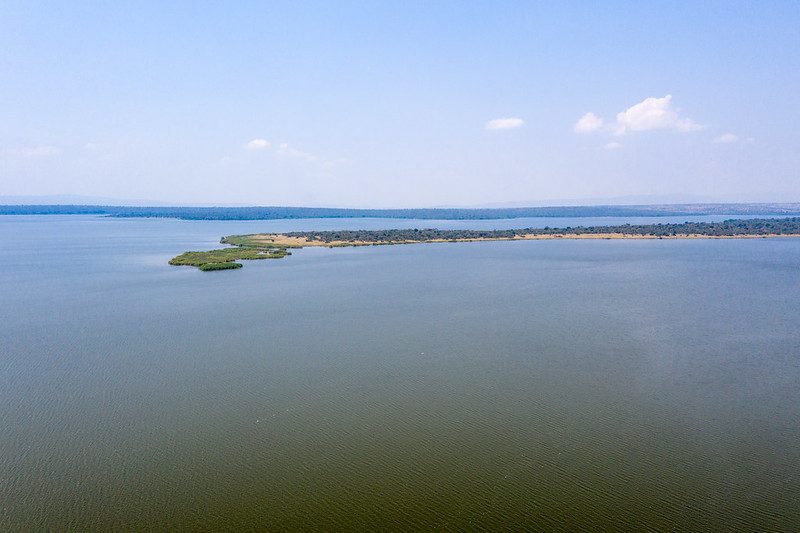
Lake Burigi is the centrepiece of Burigi-Chato National Park, a long freshwater lake threaded with islands, bays and papyrus inlets, and the focus of the park’s boat safaris, sitatunga watching and birding tours. Visitors arrange boat and canoe trips through the park gates or at the Nkonje ranger post on the shoreline. The lake lies in northwestern Tanzania between Lake Victoria and the Rwandan border, and Tanzania’s park and tourism authorities describe it as the country’s third largest.
It gave the park half its name. It also gives the park most of its character.
Where Lake Burigi Sits Within a Burigi-Chato Safari
Any Lake Burigi safari happens inside Burigi-Chato National Park, a 4,707 square kilometre protected area gazetted in 2019 from the former Burigi, Biharamulo and Kimisi game reserves. The lake runs along a winding valley system in the western half of that area, closer to the Rwandan boundary than to Lake Victoria, and the park headquarters and ranger infrastructure cluster around its shore.
This matters practically. The park is enormous and mostly wooded savannah, and drives across it can be long and quiet. The lake is where the density is. Water concentrates animals, particularly in the dry months, and it also concentrates the activities: boat trips, canoeing, sport fishing and the best of the birding all happen here or nearby.
If you have one day in the park, spend it on and around this water rather than pushing east into the Chato sector.
The Shape of the Lake: Islands, Inlets and Papyrus Bays to Explore by Boat Tour
Lake Burigi is not a single open sheet of water. It is long and narrow, following the valley floor, with a scatter of islands and a great many inlets and bays running off the main body. Some of those side arms are open water. Others are swamp, choked with papyrus and reed, and those are the ones that hold the park’s rarest mammals.
Trees line the valley along much of the length, with occasional palms standing out against the woodland. The effect from a boat is corridor-like rather than expansive, which changes how you see wildlife. You do not scan a horizon here. You come round a bend and something is standing there.
The lake connects into a wider water system that includes the Kagera River and other lakes strung along the same valleys. Ask your guide which arm you are in, because the swampy bays and the open sections offer completely different sightings and are worth planning between rather than drifting through.
Boat Safaris on Lake Burigi
The Lake Burigi boat safari is the signature activity of the whole park, and TANAPA charges a specific boating safari fee for it in Burigi-Chato alongside a small number of other water-based parks. Trips run from the shore near the ranger posts, usually in the early morning or the last few hours of light.
What a boat gives you here is angle. Game drives in Burigi-Chato work the woodland and plains, where the grass is often tall and sightings are fleeting. From the water you look back at the shoreline with nothing between you and the animals drinking there, and hippo and crocodile go from being an occasional glimpse to being the constant background of the trip.
Boats are basic. This is not a luxury cruiser operation, and you should expect a functional craft with a ranger or guide aboard. Book ahead through the park rather than assuming a boat will be available when you arrive, since capacity is limited and the park’s visitor infrastructure is still young.
Bring a hat and something waterproof for your camera.
Canoeing Trips Along the Lake Burigi Shoreline
Canoeing is offered separately from motorised boat safaris and is capped at a maximum of three hours per session in Burigi-Chato, under the same rules that apply at Mahale, Rumanyika-Karagwe and Rubondo Island. The fee is lower than the boating safari charge, which makes it a cheap way to get onto the water.
Silence is the whole argument for it. A paddle brings you closer to shoreline birds and to feeding antelope than an outboard ever will, and along the papyrus edges that difference is the difference between a sighting and an empty bank. The tradeoff is range: three hours of paddling covers a small fraction of a lake this long.
Canoeing near hippo pods is not advisable and guides will route around them. Take that seriously rather than pushing for a closer look.
Sitatunga Watching in the Lake Burigi Swamps
The swampy inlets along Lake Burigi are home to sitatunga, and this is the species that draws specialist visitors to the park. Sitatunga are semi-aquatic antelope with splayed, elongated hooves that let them walk on floating vegetation where nothing else can follow. They spend their lives in papyrus and reed beds, feed largely at dawn and dusk, and submerge with only their nostrils showing when alarmed.
Sightings are not guaranteed and should not be sold to you as such. The animals are shy, the habitat is dense, and even in good conditions you may see a head and shoulders and nothing more. What improves your chances is being on the water at first light, working the papyrus edges slowly with a guide who knows which bays hold them, and accepting that you may need more than one attempt.
Patience is genuinely the variable here. People who sit still get sitatunga. People who want to cover ground do not.
Lake Burigi is one of a small handful of places in Tanzania where sitatunga watching is a realistic reason to visit, rather than a lucky extra on a trip built around something else.
Birdwatching Safaris on Lake Burigi
The Lake Burigi birdwatching safari works because the lake stacks several habitats within a few hundred metres of each other: open water, papyrus swamp, wooded shoreline and floodplain grass. Waterbirds dominate. African fish eagles occur at high density along this shoreline and their call carries across the whole valley.
Regularly recorded species around the park’s wetlands include saddle-billed stork, wattled crane, wattled lapwing, Senegal lapwing, cattle egret, village weaver, white-browed coucal and red-necked francolin, along with herons, kingfishers and pelicans on the open water. Eurasian migrants pass through in the northern winter months, adding to the list from around November.
The bird everybody asks about is the shoebill. Park literature raises the possibility of shoebill stork in the swampier sections, and the papyrus habitat is right for it, but this is a bird you should treat as a bonus rather than an expectation. Confirmed sightings here are scarce, and any operator promising you one is overselling.
Hippo and Crocodile Watching From the Water
Hippo pods and large Nile crocodiles are abundant in the lake and the connected rivers, and they are the most reliable large animals on any water-based trip in the park. Hippos hold in the deeper sections during daylight and move out to graze the shoreline at night, so a late-afternoon boat safari often catches them beginning to stir.
Crocodiles bask on sandbanks and shoreline mud through the middle of the day. The larger individuals in this system are substantial, and their presence is the reason swimming is not an option anywhere on this lake regardless of how inviting a stretch of shore looks.
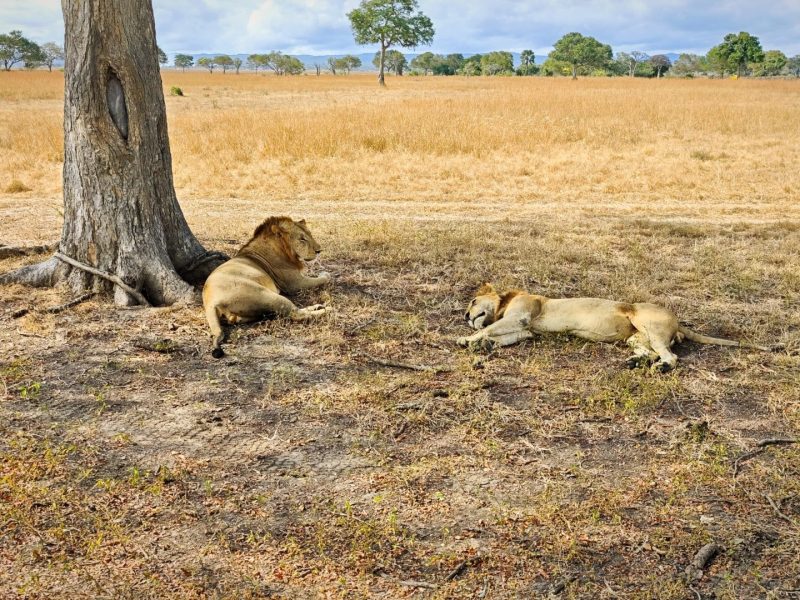
Elephant, buffalo, waterbuck, topi and impala come down to drink along the shoreline in the dry months, and seeing them from the water rather than from a vehicle is a noticeably different experience. Predators follow the same water. Lion and leopard are present in the park, and hyena and jackal work the shoreline at night.
Sport Fishing Trips on Lake Burigi
Sport fishing is permitted in Burigi-Chato under specific guidelines, allowed only between seven in the morning and five in the afternoon, and charged per person per day. Rods can be hired from the park if you have not brought your own.
The catch here is freshwater lake fish, with tilapia the mainstay. This is not the trophy Nile perch fishery that Lake Victoria and Rubondo Island are known for, and anyone coming for big perch should be looking at Rubondo instead. What Lake Burigi offers the angler is solitude and a genuinely wild setting, which some people rate above the size of the fish.
Check current rules with the park before planning a fishing-led trip, because the guidelines governing where and how you may fish inside a national park are stricter than on open lake water and they do change.
Camping Safaris and Scenic Viewpoints Beside Lake Burigi
Public and special campsites sit along the lakeshore and near the ranger posts, and camping beside the water is the most straightforward way to be on the lake at the hours that matter. The Nkonje ranger post area beside Lake Burigi offers bandas and a tented camp with basic amenities, and there is an airstrip nearby for charter arrivals.
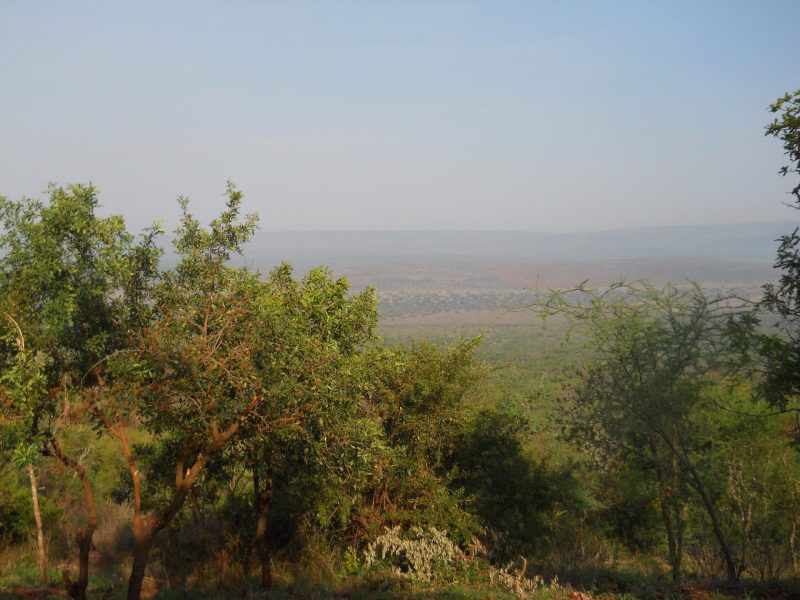
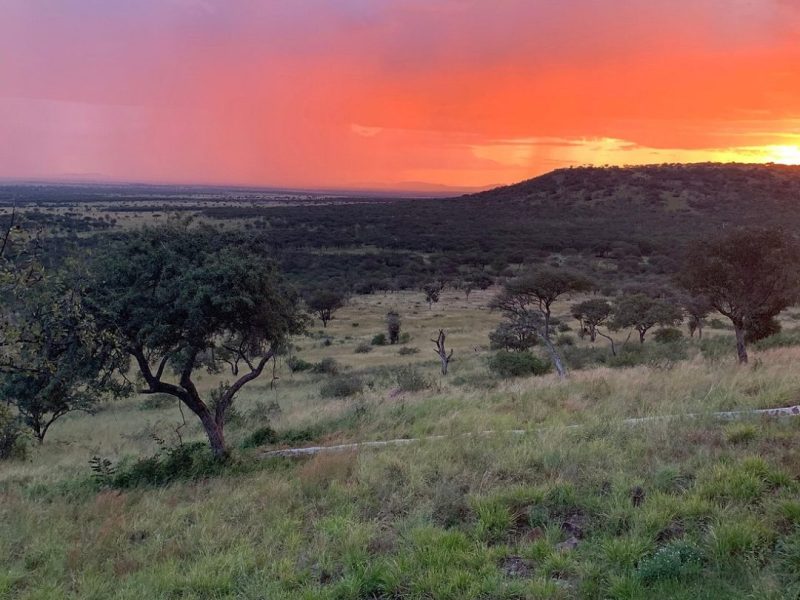
The valley walls above the lake give the best elevated views in this part of the park. Rocky crags run along the escarpments and the ground rises steeply enough in places to look down the length of the water. Sundowners are permitted in designated areas for a small per-person fee, and the western aspect over the lake makes those spots worth asking about by name.
Facilities are minimal. Carry your own water.
Best Time for a Lake Burigi Trip
This part of East Africa runs on two rainfall peaks, one in November and December and a second in March and April, with dry weather from June through September.
June to September: The dry months and the strongest window. Animals concentrate on the lake because the seasonal water elsewhere has gone, boat conditions are settled, and the tracks down to the shore are firm. Cool nights, warm days.
October to December: Rains return, the valleys green up and birdlife thickens with arriving migrants. Wildlife disperses away from the lake. Still workable, with fewer people.
January and February: A drier interval between the two peaks. A reasonable compromise window, quieter than the main dry season.
March to May: The heavier rains. Boat trips are still possible but road access to the lake becomes the problem, and unsurfaced tracks in the park can close.
For sitatunga and for the best water-based game viewing, aim for July through September.
Getting to Lake Burigi and the Nkonje Ranger Post for Your Safari
Most visitors come in by road from Mwanza, roughly 150 kilometres and three to five hours depending on the route and the season, or from Bukoba, which is nearer at about two to three hours. Chato town lies around 40 kilometres from the Katete Gate on the eastern side of the park, and the drive across to the lake from there adds further time.
By air, Chato has an airport receiving domestic flights and Bukoba receives scheduled services, both needing a road transfer onward. Private charters can land at the airstrip near the Nkonje ranger post beside the lake itself, or at the Biharamulo airstrip, which cuts out a long drive.
A 4×4 is sensible year-round and necessary in the wet months. Fuel up before you leave Chato, Biharamulo or Bukoba, because there is none inside the park.
Frequently Asked Questions About a Lake Burigi Safari
How much does a boat safari on Lake Burigi cost?
The boating safari fee in Burigi-Chato currently runs at US$20 per person for non-East African visitors, expatriates and residents, and TZS 10,000 for East African Community citizens. Canoeing, which is capped at three hours here, is cheaper at US$10 per person and TZS 5,000 for EAC citizens. These are charged on top of the daily conservation fee and are quoted exclusive of 18 percent VAT. Boat and marine vessel entry to the park is charged separately per day where you bring your own craft, starting at TZS 10,000 for a private East African registered vessel of up to ten seats.
What is the park entry fee to reach Lake Burigi?
Burigi-Chato’s conservation fee is currently US$30 per person per day for non-East African adults aged sixteen and above, US$10 for children aged five to fifteen, and free for under-fives. Expatriates and Tanzanian residents pay US$15 and US$5. East African Community citizens pay TZS 5,000 and TZS 2,000. There is no peak and low season split in this park, so the rate is the same all year, and 18 percent VAT is added to all of it.
Is Lake Burigi really Tanzania’s third largest lake?
Tanzania’s national park and tourism bodies consistently describe it that way, and the claim appears on the official destination listing for the park. It is worth knowing what the ranking is doing, though: Lake Victoria, Tanganyika and Nyasa are vastly larger and shared with neighbouring countries, and various inland lakes such as Rukwa, Eyasi and Natron fluctuate enormously in extent by season. Whatever the precise ordering, Burigi is a substantial freshwater lake and easily the dominant water body inside the park.
Can you swim in Lake Burigi?
No. The lake holds large Nile crocodiles and hippo pods throughout, and both are dangerous. There is also bilharzia risk in still freshwater across this region. Boat trips, canoeing and fishing from the water are the ways to enjoy it. If you want to swim on a Lake Victoria region trip, Rubondo Island Camp maintains a designated swimming area where risk is assessed as low, which is a different situation entirely.
What are the chances of seeing sitatunga on a Lake Burigi safari?
Moderate at best, and better in the dry season at first light from a boat working the papyrus edges slowly. Sitatunga are shy, well camouflaged and live in habitat that is difficult to see into. Guides who know the specific bays make a real difference. Treat two or three early morning attempts as a reasonable plan rather than expecting one outing to deliver, and do not book a trip on the promise of a guaranteed sighting.
Is there accommodation on the lakeshore?
Yes, though it is basic. The Nkonje ranger post area beside the lake has bandas and a tented camp, and there are public and special campsites near the shore. TANAPA’s rest house, cottages and park-provided tents at Burigi-Chato currently run at US$35 per adult per night for the cottages and rest house and US$30 for park tents, with public campsites at US$30 per adult per night and special campsites at US$50. For anything more comfortable, base yourself in Chato, Biharamulo or Kayanga and drive in.
Can I fish on Lake Burigi?
Yes, with a permit and within the park’s guidelines, which restrict fishing to between seven in the morning and five in the afternoon. The current sport fishing fee is US$25 per adult per day and US$10 for children aged five to fifteen, with rod hire at US$20 per rod per day if you need it. Tilapia are the main catch. Confirm the current rules with the park when you book, as fishing regulations inside national parks are reviewed periodically.
Booking Your Burigi-Chato Trip
The safari companies and tour operators listed on this website put trips like this together for a living and know which camps, guides and routes actually deliver. We are an independent guide to Burigi-Chato; we do not book or sell tours ourselves.
When you are ready, arrange your safari, tour or holiday with one of the recognised operators listed here. Tell them your dates and what matters most, and a real person, not a form, will handle the itinerary, park bookings and logistics for you.