Pack for Burigi-Chato National Park as you would for a self-sufficient bush trip rather than a lodge safari: muted layered clothing, a warm fleece for cold dawn boat trips, closed walking boots, strong insect repellent, binoculars, and all your own drinking water. There are no shops, no fuel and no reliable power inside the park. Burigi-Chato covers 4,707 square kilometres of northwestern Tanzania and has minimal visitor infrastructure.
The single most common packing mistake here is underestimating how cold a boat is before sunrise.
What Makes Packing for a Burigi-Chato Safari Different
A Burigi-Chato safari asks more of your kit than the northern circuit does, for three reasons.
There is no luxury tier inside the park. Accommodation runs to campsites, a rest house, park cottages and tents, and bandas with a tented camp at the Nkonje ranger post. None of them will lend you a jacket, dry your laundry overnight or produce a spare battery.
The activity mix is unusual. You will be in a boat at dawn, on foot on stony ridges, and in a vehicle in dust, sometimes in the same day. Each of those wants something different.
And nothing is nearby. Fuel, cash, groceries and pharmacies are in Chato, Biharamulo, Kayanga, Bukoba and Mwanza. Once you turn inland, whatever you forgot stays forgotten.
Buy your bulk water in Mwanza or Bukoba, not Chato. Small-town supply is unreliable and you will want more than you think, since the park has no drinking water and you are losing fluid steadily in warm days on dusty tracks.
Clothing for Game Drive Safaris and Bush Days
Muted colours in natural fabrics is the whole principle: khaki, olive, brown, grey. Not because animals object to bright shirts, but because you will be on foot at some point and blending in helps.
Long sleeves and long trousers are worth wearing even in heat. They protect against sun, thorns, grass seeds and mosquitoes, and the last of those matters at wetland margins. Lightweight, quick-drying fabrics beat cotton, which stays wet and heavy.
Avoid blue and black. Both attract tsetse flies, which occur across miombo and wooded savannah in this part of Tanzania and bite hard. Avoid camouflage patterns, which are restricted for civilians in Tanzania and can cause real problems at checkpoints.
Two or three shirts and two pairs of trousers is plenty for a short trip. There is nowhere to wash them, so plan for what you can carry rather than what you would like.
Layers for Cold Dawn Boat Safaris on Lake Burigi
This is the section people skip and regret.
Days here are warm and nights are genuinely cool, a product of elevation and the moderating effect of Lake Victoria. Sitting still in an open boat on water before sunrise, with wind chill on top, is the coldest you will be on the entire trip. It bears no relation to the daytime forecast.
Take a proper fleece and a windproof shell over it. A warm hat is not excessive. Gloves are worth having if you will be holding binoculars steady for an hour at dawn.
The same layers work for early game drives in an open vehicle and for evenings at a campsite, so nothing is carried for one purpose only.
Footwear for Walking Safaris and Escarpment Hikes
Closed boots with ankle support, worn in before you travel. TANAPA offers walking safaris here with an armed ranger, split into short walks of one to four hours and long walks above four hours, and the best of them are on the ridges and escarpments where the ground is stony and uneven.
Valley forest walking adds a different problem, with uneven footing hidden under leaf litter and damp ground underfoot. Boots handle both.
Bring a second pair of light shoes or sandals for camp and for boat trips, where wet feet are likely at launch points. Thick socks help with both blisters and grass seeds.
Do not walk anywhere in the park in sandals or open shoes.
Optics and Camera Kit for Wildlife Photography Tours
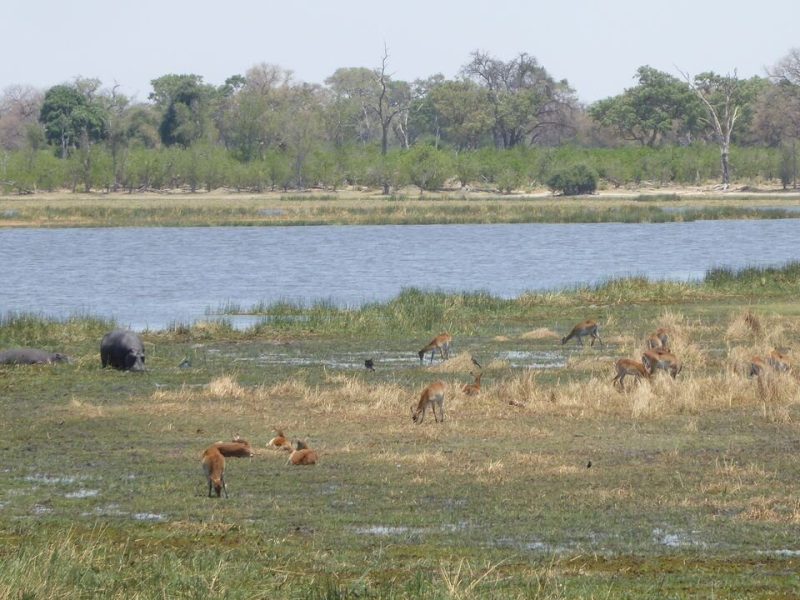
Binoculars are the most useful thing in your bag here, more so than in denser parks, because much of what you are doing is scanning reed lines and distant floodplain rather than watching an animal at close range.
Choose for low light rather than magnification. Eight or ten power with large objective lenses beats high power on a moving boat at dawn. Bring your own rather than expecting to borrow.
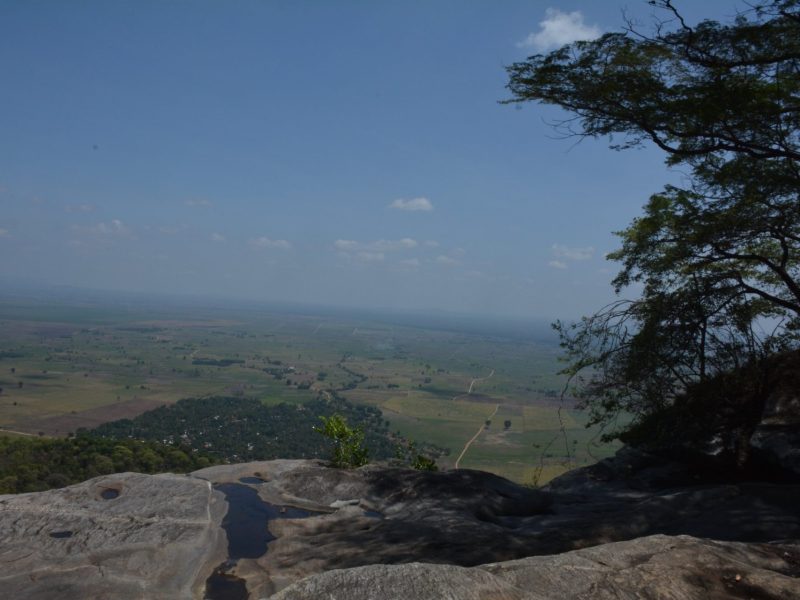
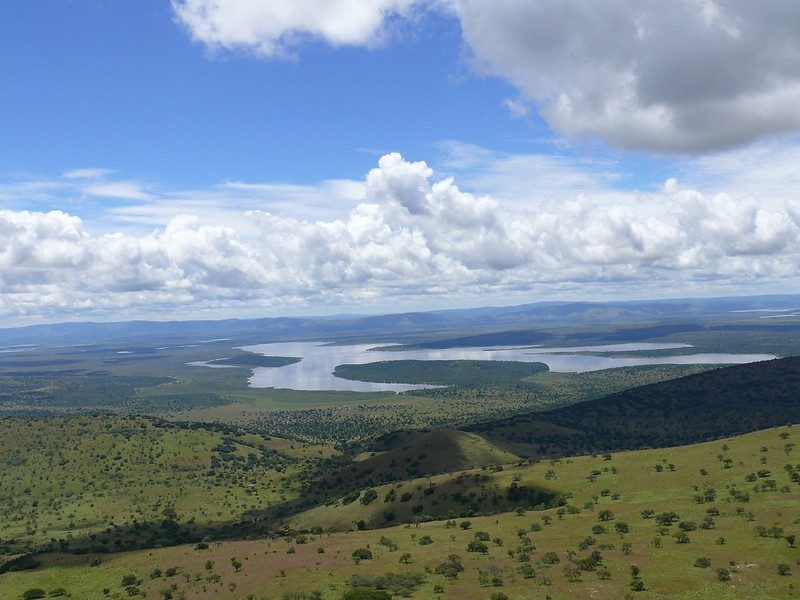
Lenses: A fast telephoto for distant, partly hidden subjects in poor light. Something wider for the ridge and escarpment views, which are the park’s strongest scenic material.
Power: Spare batteries and a power bank. There is no reliable mains supply inside the park, and a vehicle charger is worth arranging with your operator.
Protection: A dry bag for boat trips and dust protection for game drives. The dry season is genuinely dusty and sensor cleaning is easier avoided than done.
Storage: More memory cards than you expect, since there is nowhere to offload and back up.
Leave the drone at home. Drones are prohibited in every Tanzanian national park, and commercial filming needs a permit arranged in advance.
Health, Insects and Sun Protection on Safari
This is a malaria area and prophylaxis is standard medical advice for the whole trip. Speak to a travel clinic well before departure, since some regimens need starting in advance. Yellow fever certification is required for arrivals from countries with risk of transmission, which includes Rwanda if you are crossing overland.
Insect repellent containing DEET or picaridin matters more at the wetland margins than anywhere else in the park. A permethrin treatment on clothing is worth considering. Tsetse flies are a nuisance in the woodland and repellent has limited effect on them, which is why clothing colour is worth getting right.
Sun protection is easy to underestimate two degrees below the equator. High-factor sunscreen, a wide-brimmed hat and sunglasses, particularly on open water where reflection doubles the exposure.
A basic first aid kit with your own regular medication, rehydration salts, antihistamine, antiseptic and blister plasters. The nearest medical facilities are in the lakeside towns.
Camping Safari Kit if You Are Staying Inside the Park
Public campsites, special campsites and fly campsites all exist here, and they are unserviced beyond basic ablutions and fire pits. The park also provides tents at a set nightly rate if you prefer not to carry your own.
If you are self-catering, bring everything: tent, sleeping bag rated for cool nights, mat, cooking equipment, fuel, food and all water. Bush meals are charged nominally through the park in designated areas, and sundowners are permitted in designated spots for a small per-person fee.
A headtorch with spare batteries is close to compulsory for pre-dawn boat departures and for camp after dark. Hyena work the valleys at night and their calls carry, which is atmospheric rather than dangerous, but you want to see where you are walking.
Keep food secured. Baboon troops are common through the woodland and will take anything left out.
Documents, Money and Park Payments for Your Safari
Passport with your Tanzanian visa, and proof of identity is mandatory at the gate. East African Community citizens need passports to claim the EAC rate, and expatriates and residents need a residence permit, exemption certificate or diplomatic identification to claim theirs.
Park fee payment is the practical detail that catches self-drivers out. TANAPA charges go through the government electronic payment gateway, paid online through the reservation system, at a bank using an electronic card, or by mobile money. Cash at the gate will not work, and gate connectivity is not reliable enough to arrange on the day.
Carry Tanzanian shillings in cash for the towns, fuel, tips and community visits. ATMs are in Mwanza, Bukoba and the larger towns, not near the park.
Note that the East Africa Tourist Visa covering Rwanda, Uganda and Kenya does not include Tanzania, which needs its own.
Everything here works on the assumption that you brought it with you. Pack as though the nearest shop is four hours away, because it is.
What to Pack by Season for Your Safari
June to September, dry: Dust is the theme. A buff or scarf, camera dust protection, and extra eye drops if you wear contact lenses. Nights are at their coolest, so the fleece matters most in these months.
October to December: Add a proper waterproof shell and a dry bag for everything electronic. Storms come in bursts rather than lasting all day.
January to February: Similar to the dry season with occasional rain. Grass is high, so long trousers and gaiters help on walks.
March to May, heavier rains: Full waterproofs, spare dry clothing sealed in bags, and footwear you accept will get soaked. Insect numbers peak, so repellent supply matters.
Baggage Limits on Fly-In Safaris and What to Leave Behind
If you are flying in, the limits are stricter than most people expect. Light aircraft on charter routes and the smaller domestic services typically cap baggage at around 15 kilograms in soft bags, and hard-shell suitcases are usually refused outright. Pack a duffel.
Leave excess luggage at your Mwanza, Bukoba or Arusha hotel rather than carrying it into the park. Most will store bags for guests returning after a few nights.
Things not to bring at all: drones, camouflage clothing, plastic bags, since Tanzania has restrictions on single-use plastic, and anything you would mind losing to dust, damp or a baboon.
Frequently Asked Questions About Packing for a Burigi-Chato Safari
Do I need to bring cash for park fees?
No, and cash will not work. TANAPA charges go through the government electronic payment gateway, paid online through the reservation system, at a bank using an electronic card, or by mobile money. Arrange this before you travel. Do bring Tanzanian shillings in cash for fuel, town accommodation, tips, community visits and anything bought outside the park, since ATMs are in Mwanza, Bukoba and the larger towns rather than near the gates. Fees once paid are non-refundable.
What will I be paying for once I am there?
The conservation fee is currently US$30 per person per day for non-East African adults and US$10 for children aged five to fifteen, with US$15 and US$5 for expatriates and residents and TZS 5,000 and TZS 2,000 for East African Community citizens. Activities carry supplements: boat safaris at US$20 per person, canoeing at US$10, short walking safaris at US$20 per adult and long walks at US$25, night game drives at US$50, sport fishing at US$25 per adult per day with rod hire at US$20, and sundowners at US$5. A park guide is US$20 per group per day. Add 18 percent VAT throughout.
How cold does it really get at dawn?
Cold enough that a fleece alone is not comfortable in an open boat. Days are warm year round but nights are genuinely cool here, and sitting still on open water before sunrise with wind chill is the coldest part of any trip to this park. Take a fleece plus a windproof shell, and a warm hat. People consistently underpack for this because the daytime forecast reads warm.
What colours should I avoid wearing?
Blue and black attract tsetse flies, which are present across the miombo and wooded savannah here and bite painfully. Camouflage patterns are restricted for civilians in Tanzania and can cause problems at checkpoints, so leave them at home. Stick to khaki, olive, brown and grey in lightweight quick-drying fabrics, which also helps when you are on foot with a ranger.
Do I need my own camping equipment?
Only if you are using the public, special or fly campsites, which are unserviced beyond basic ablutions and fire pits. The park also provides tents at around US$30 per adult per night, and there are bandas and a tented camp at the Nkonje ranger post plus a rest house and cottages at around US$35 per adult. If you are self-catering at a campsite, bring everything including all drinking water, since there is none available inside the park.
What is the baggage limit if I fly in?
Light aircraft on charter routes to the Nkonje and Biharamulo airstrips, and the smaller domestic services into Chato and Bukoba, typically cap baggage at around 15 kilograms in soft bags. Hard-shell suitcases are usually refused. Pack a duffel and leave anything surplus at your hotel in Mwanza, Bukoba or Arusha, most of which will store bags for returning guests.
Is malaria prophylaxis necessary?
Yes. This is a malaria area, and the wetland margins around Lake Burigi mean mosquito exposure is real. Speak to a travel clinic well before departure, since some regimens need starting in advance. Yellow fever certification is required for arrivals from countries with risk of transmission, which includes Rwanda if you are crossing overland at Rusumo Falls. Bring strong repellent containing DEET or picaridin, and consider treating clothing with permethrin.
Booking Your Burigi-Chato Trip
The safari companies and tour operators listed on this website put trips like this together for a living and know which camps, guides and routes actually deliver. We are an independent guide to Burigi-Chato; we do not book or sell tours ourselves.
When you are ready, arrange your safari, tour or holiday with one of the recognised operators listed here. Tell them your dates and what matters most, and a real person, not a form, will handle the itinerary, park bookings and logistics for you.