The best time to visit Burigi-Chato National Park is June through September, the dry season, when grass falls back, wildlife concentrates on Lake Burigi and the permanent water, and unsurfaced tracks stay passable. The park is open year round and charges a single flat conservation fee that does not change by season, so timing is about conditions rather than price. Burigi-Chato covers 4,707 square kilometres of northwestern Tanzania between Lake Victoria and the Rwandan border.
The rain here does not follow one long wet season. It comes in two separate peaks, and that shapes everything.
The Short Answer on Timing a Burigi-Chato Safari
This corner of East Africa has two rainfall peaks, one around November and December and a second in March and April, with settled dry weather from June through September. Temperatures stay comfortable across the year, with warm days and genuinely cool nights, which is a benefit of the elevation and of sitting beside a lake the size of Victoria.
For a Burigi-Chato safari built around wildlife, June through September wins on every measure that matters: visibility, animal concentration, road access and boat conditions. If you can only travel once, travel then.
For birding, the picture flips. The wet months bring Eurasian migrants and fill the floodplains, and the bird list is at its longest from around November through March.
Burigi-Chato has no peak and low season fee split, unlike Serengeti, Nyerere, Tarangire, Lake Manyara and Arusha. That means travelling in the shoulder months saves you nothing on park charges, though regional accommodation and vehicle hire do soften outside the northern circuit high season.
June to September: Peak Dry Season Safaris
This is the window the park is built around, and the reasons stack up.
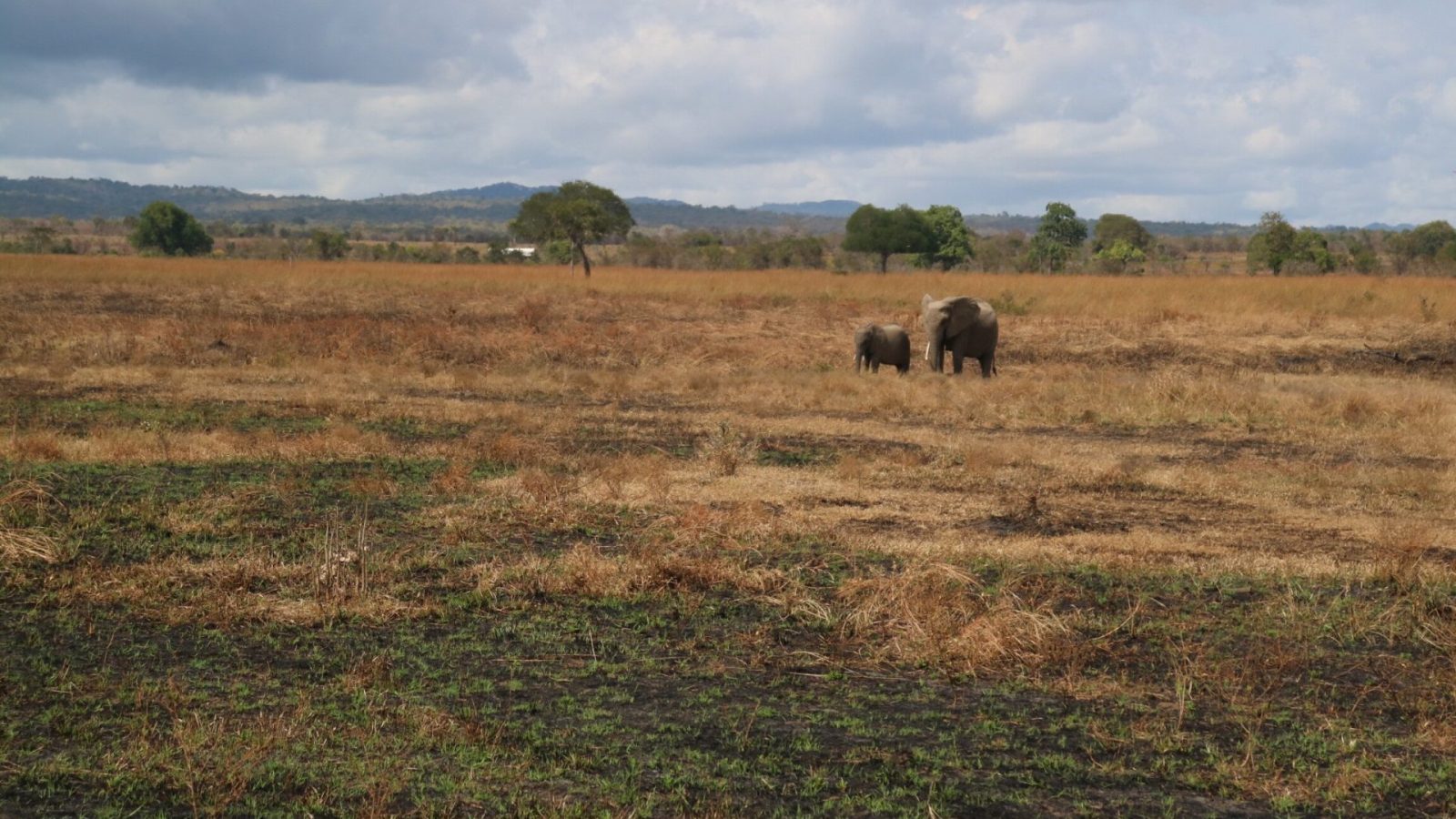
Grass falls back. Burigi-Chato is medium and tall grass wooded savannah, and after the rains that grass can stand higher than an antelope. As the dry months progress it is grazed down and burned back, and sightlines open dramatically. In woodland, this single factor makes more difference than anything else.
Water concentrates animals. Seasonal pans dry out, floodwater retreats from the plains, and everything that needs to drink comes to Lake Burigi, the connected lakes and the Kagera drainage. The floodplain edges in August and September are the most productive ground in the park.
Access is at its most reliable. Ridge tracks, escarpment routes and valley crossings all hold up, which matters in a park where terrain rather than distance decides where you can go.
Nights are cool. Bring a fleece. People routinely underestimate this and spend their dawn boat trip shivering.
October to December: Short Rains and Green Season Tours
The first rainfall peak arrives around November and runs into December, and the character of the park changes quickly.
Wooded savannah here is deciduous, and the flush of new leaf before and during the early rains is one of the more striking sights in this vegetation type. Trees come into leaf in coppers and reds before turning green. The ridges green up. Grass starts growing fast.
Wildlife disperses. Once seasonal water is available across the park, animals no longer need the permanent lakes, and they spread out across a very large area. Game viewing gets harder in direct proportion.
Birding improves sharply. Eurasian migrants arrive from around November and stay through the northern winter, swelling waterbird numbers on the lake and floodplains. Resident species come into breeding plumage. If birds are your priority rather than mammals, this is a genuinely good time to come.
Roads remain mostly workable through this peak, since it is the lighter of the two, though ridge routes can turn slippery after a storm.
January and February Safaris: The Dry Interval Between the Peaks
Between the two rainfall peaks there is a drier stretch, and it is the most overlooked window in the calendar.
Grass is high from the November rains but not yet at its worst, tracks are usable, and the migrants are still present. The park is almost empty of visitors, which in a place this lightly travelled means you are unlikely to see another vehicle at all.
Game viewing is patchier than in the main dry season because water is still widely available and animals remain dispersed. Boat safaris on Lake Burigi work well, and the swamp margins are accessible.
This is the compromise choice for travellers who cannot make the June to September window and want to avoid the heavy rains.
January and February are the quiet secret of this park. Not the best game viewing, but decent conditions, full birdlife, and a genuine sense of having the place to yourself.
March to May Safaris: The Long Rains and Why Access Becomes the Problem
The second and heavier rainfall peak falls across March and April, extending into May. This is the season to avoid unless you have a specific reason to be here.
The issue is not the rain itself, which comes in bursts rather than all day. The issue is what it does to unsurfaced tracks in a park with real gradients. Steep stony escarpment routes become slippery. Valley crossings flood. Floodplains genuinely flood. Some routes close entirely, and moving between sectors can become impossible.
Grass reaches its maximum height, which in this vegetation means woodland game viewing is difficult regardless of how many animals are present. Wildlife is at its most dispersed.
What works in these months: boat trips on Lake Burigi still run, birding is strong, and the country is at its greenest for anyone whose interest is scenery rather than sightings. Regional accommodation and vehicle hire are at their cheapest.
If you must travel in this window, base yourself near the lake, plan to stay in one sector, and build slack into your schedule for lost days.
Best Time for Game Drive Safaris and Predator Watching
August and September, at the tail of the dry season, are the strongest weeks for a game drive safari here.
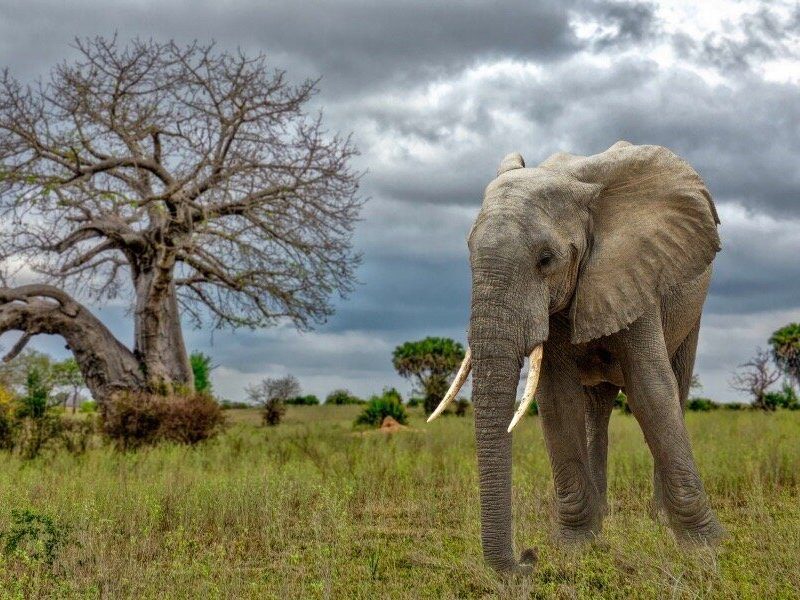
By then grass is at its lowest, the floodplains have drained and been grazed down, and animals are tied to permanent water. Predators follow the grazing concentrations, so the same conditions that improve your plains game sightings improve your chances with lion, leopard, spotted hyena and serval.
Be realistic about density regardless of season. Wildlife numbers in this park are recovering from severe losses during the mid-1990s refugee period, and predator sightings are a good day rather than a plan. What the dry season does is give you the best odds available, not a guarantee.
Night game drives are permitted in Burigi-Chato, which is unusual among Tanzanian parks. They work throughout the year but are most comfortable and most productive in the dry months.
Best Time for Boat Safaris and Sitatunga Watching
Water levels drive this, and the dry season wins again.
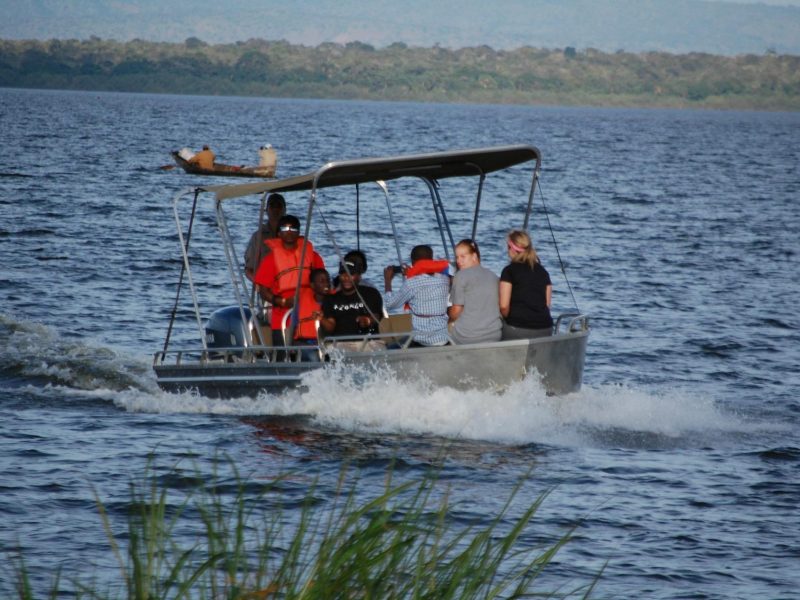
From June through September, lake levels drop, the swamp margins become better defined, and sitatunga are confined to a narrower band of papyrus rather than dispersed through widely flooded vegetation. Boat and canoe conditions at dawn are settled. The park’s boating safari and canoeing activities run year round, with canoeing capped at three hours per session here.
Time of day matters more than month for sitatunga. They feed at the papyrus margins at first and last light and withdraw into the reed beds through the day, so a dawn trip in the wet season beats a mid-morning trip in the dry one.
Plan two or three separate early sessions across a stay rather than one long outing, and accept that sightings are not guaranteed in any season.
Best Time for Birdwatching Safaris in Burigi-Chato
November through March is the window for a birdwatching safari, which is the one activity that peaks against the general pattern.
Eurasian migrants arrive from around November and remain through the northern winter. Floodplains fill and pull in waders, storks and crakes. Resident species breed, which means both better plumage and more visible territorial behaviour.
The habitat mix does the rest. Papyrus specialists including the papyrus gonolek live in the swamp inlets. African fish eagles occur at unusually high density along the water. Saddle-billed stork, wattled crane, wattled lapwing, Senegal lapwing, white-browed coucal, village weaver and red-necked francolin are all recorded, alongside herons, egrets, pelicans and kingfishers.
Conservation surveys have flagged that the lakeside swamps may hold breeding shoebill. Sightings are scarce and this remains a possibility rather than a target, in any month.
Best Time for Walking Safaris and Escarpment Hiking
Dry season, and for practical rather than wildlife reasons.
Walking safaris here are conducted with an armed ranger and split into short walks of one to four hours and long walks above four hours. The ridges and escarpments are where walking gives most, and stony gradients that are simply hard work in the dry become genuinely unsafe when wet.
Grass height matters on foot as well. Walking through tall wet grass is unpleasant, slow, and reduces the visibility that keeps a walking group safe around buffalo and elephant.
Early morning is the right time of day in every season. By ten o’clock the heat on open slopes makes a long walk a chore.
Best Time for Photography Safaris in the Park
Two different answers, depending on what you are after.
For wildlife photography, the dry season. Animals are concentrated, sightlines are open, and dust in the air gives backlit atmosphere that the green months do not produce. Water sites at dawn are the most reliable place to work.
For scenery, the green months. Ridge lines receding into haze, storm light after a downpour, the flush of new miombo leaf in coppers and reds, and floodplains full of water rather than dust. The country simply looks better from October through April.
Drones are prohibited in all Tanzanian national parks in every season, and commercial filming requires a permit arranged in advance.
Month by Month Guide to a Burigi-Chato Safari
January and February: Drier gap between rainfall peaks. Grass high, wildlife dispersed, birding strong with migrants present. Very quiet. Good compromise months.
March, April and May: Heavier rainfall peak. Best avoided for game viewing. Access on unsurfaced tracks is the limiting factor and some routes close. Cheapest regional rates.
June and July: Dry weather establishes. Grass falling back, wildlife starting to concentrate, tracks firming up. Cool nights. Excellent all-round conditions.
August and September: The strongest game viewing of the year. Maximum concentration at permanent water, best sightlines, most reliable access. Dusty and warm by day.
October: Transition month. First rains may arrive late in it. Still good game viewing early, with the country beginning to green up. Often an excellent quiet-shoulder choice.
November and December: Lighter rainfall peak. Woodland flushes into leaf, migrants arrive, birding picks up sharply. Wildlife disperses and game viewing gets harder.
Getting There and Staying There by Safari Season
Mwanza is the main road gateway at roughly 150 kilometres and three to five hours, with Bukoba nearer at two to three hours and Chato town about 40 kilometres from the Katete Gate. Chato and Bukoba receive domestic flights, and private charters can reach an airstrip near the Nkonje ranger post beside Lake Burigi or the Biharamulo airstrip.
Season affects the road far more than the flights. A 4×4 is sensible year round and necessary from November through May. Drive times from Mwanza stretch considerably in the wet months.
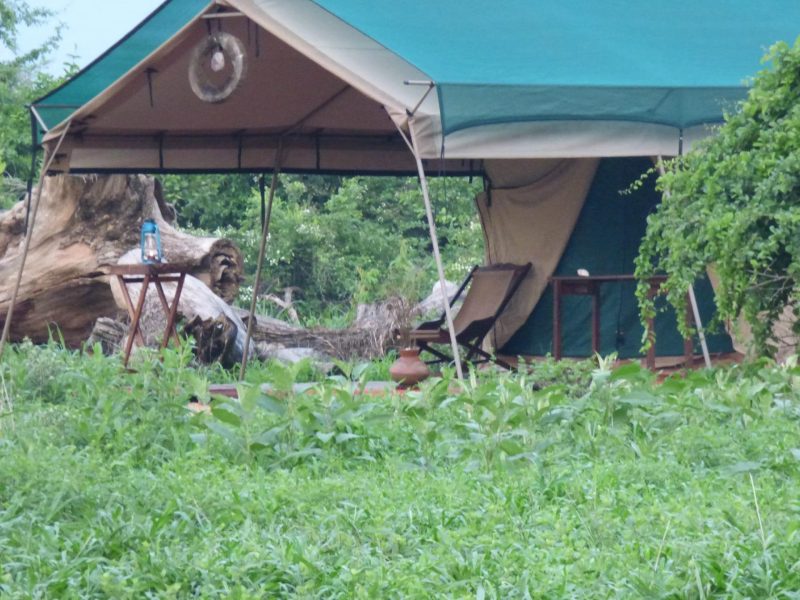
Accommodation inside the park is basic and open year round: bandas and a tented camp at the Nkonje area, public and special campsites, and TANAPA rest house, cottages and park-provided tents. Camping in the heavier rains is possible but unpleasant. Chato, Biharamulo, Kayanga and Bukoba have guesthouses and small hotels outside the park, which are the sensible wet-season base.
Frequently Asked Questions About Timing a Burigi-Chato Safari
Do park fees change by season at Burigi-Chato?
No. Unlike Serengeti, Nyerere, Tarangire, Lake Manyara and Arusha, this park charges a single flat rate across the whole year. The conservation fee currently runs at US$30 per person per day for non-East African adults aged sixteen and above and US$10 for children aged five to fifteen, with US$15 and US$5 for expatriates and Tanzanian residents and TZS 5,000 and TZS 2,000 for East African Community citizens. Under-fives are free, and 18 percent VAT applies on top.
Is Burigi-Chato cheaper to visit in the rainy season?
The park charges are identical, so any saving comes from outside the gate. Vehicle hire and accommodation in Mwanza, Bukoba and Chato do soften outside the June to September northern circuit high season, and budget guesthouses in the lakeside towns run around US$20 to US$50 per night year round. Park camping is US$30 per adult per night on public campsites and US$50 on special campsites regardless of month, with the rest house and cottages at around US$35 per adult.
What is the single best month to visit?
September, for wildlife. Grass is at its lowest, animals are at their most concentrated on permanent water, tracks across every sector are reliable, and boat conditions on Lake Burigi are settled. August runs it close. If your priority is birds rather than mammals, December or January instead, when Eurasian migrants are present and the floodplains hold water.
Can I visit during the March to May rains?
You can, and the park stays open, but plan carefully. Unsurfaced tracks are the constraint rather than the weather itself, and escarpment and valley routes are the first to become impassable. Base yourself near the lake, stay in one sector rather than trying to move between them, and build spare days into your schedule. Boat safaris on Lake Burigi still run and birding is strong.
How cold does it get at night?
Cool enough to want a fleece, particularly from June through September and on the higher ridge ground. Days are warm year round. Dawn on open water for a boat safari is the coldest you will be on the whole trip, and a windproof layer over a fleece is worth carrying even when the forecast says warm.
When is the best time for sitatunga?
July through September at first light. Lower water levels in the dry season confine sitatunga to a narrower band of papyrus rather than letting them spread through widely flooded vegetation, which improves your odds. Time of day matters more than month, though, since they feed at the reed margins at dawn and dusk and stay hidden through the day. Plan two or three early sessions and treat sightings as possible rather than promised.
Does the wildebeest migration affect this park?
No. The Serengeti migration does not enter Burigi-Chato, and the two are separate systems roughly 200 kilometres apart. What the migration does affect is your routing, since the western Serengeti corridor is accessible from Mwanza and the corridor months make a combined trip more attractive. If you are planning both, the Serengeti timing should drive your dates and Burigi-Chato fits around it.
Booking Your Burigi-Chato Trip
The safari companies and tour operators listed on this website put trips like this together for a living and know which camps, guides and routes actually deliver. We are an independent guide to Burigi-Chato; we do not book or sell tours ourselves.
When you are ready, arrange your safari, tour or holiday with one of the recognised operators listed here. Tell them your dates and what matters most, and a real person, not a form, will handle the itinerary, park bookings and logistics for you.