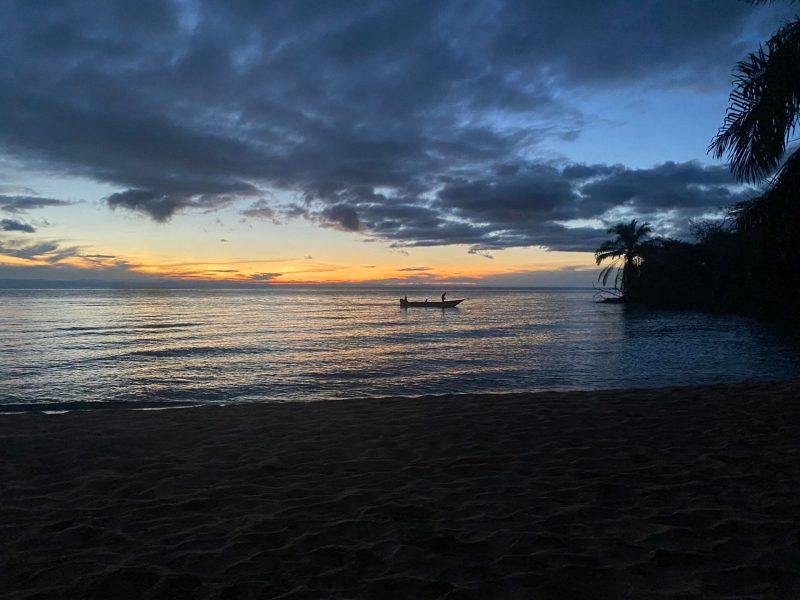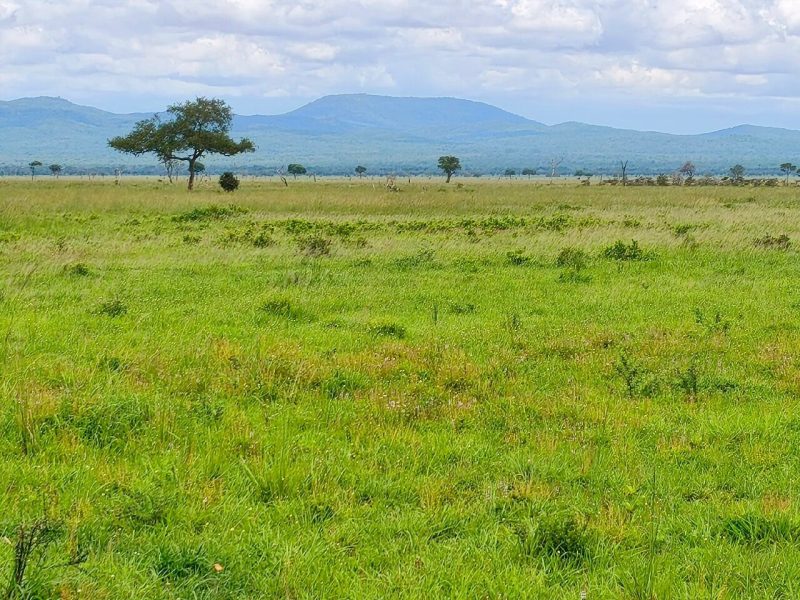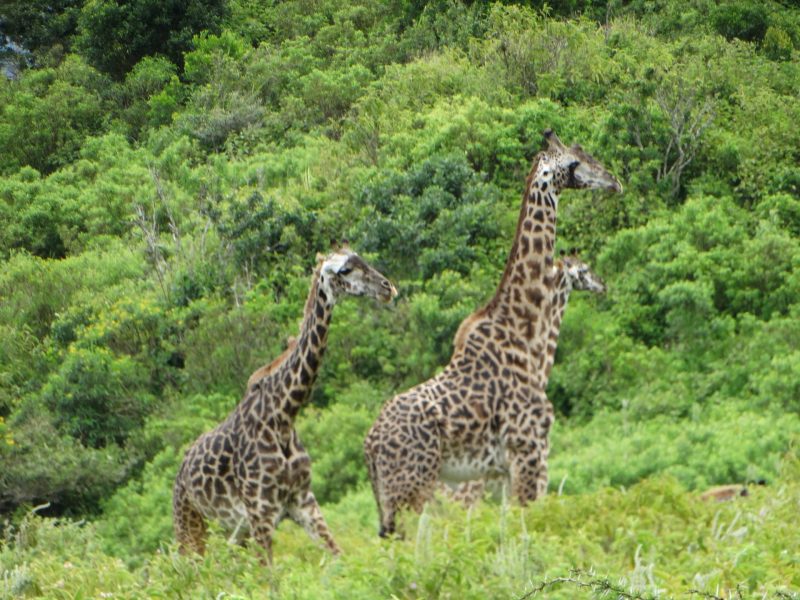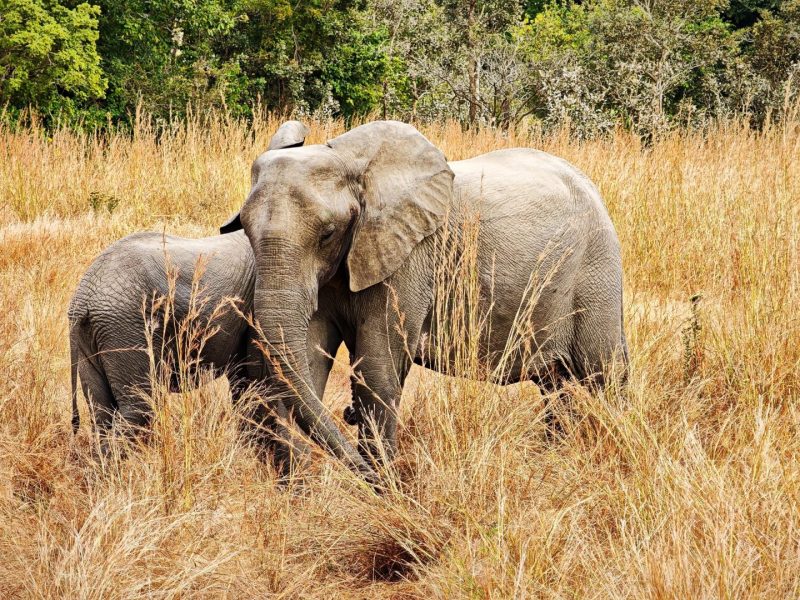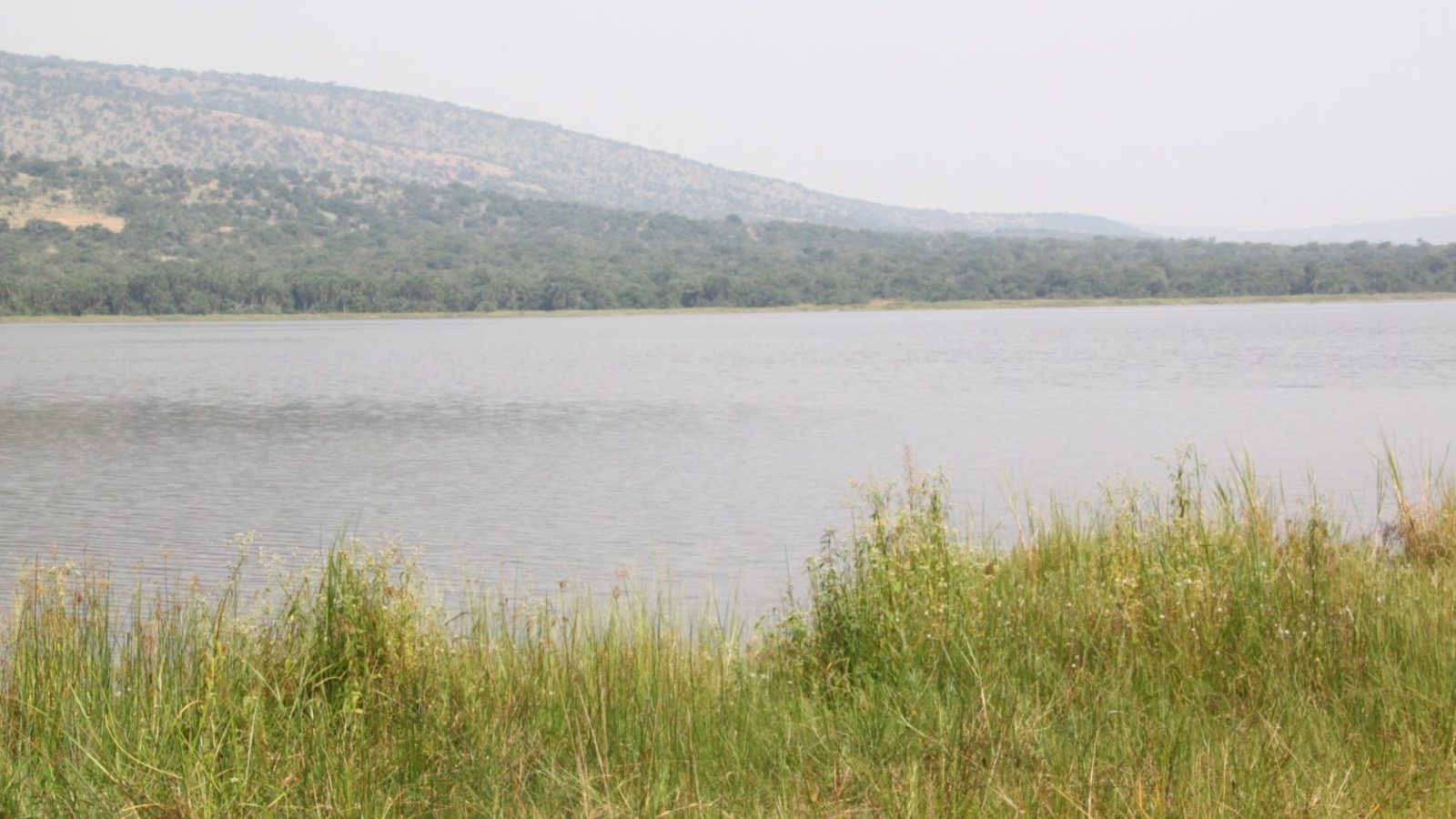
You can explore Lake Burigi by boat and canoe, from shoreline game drives, on foot along the valley walls above it, and from campsites and bandas at the Nkonje ranger post on its shore. Sport fishing is permitted under park guidelines. Lake Burigi lies in the western sector of Burigi-Chato National Park in northwestern Tanzania, running roughly 30 kilometres long and about 4 kilometres wide along a valley floor.
The park takes half its name from this water. Spend your time here and the rest of the park becomes optional.
What There Is to Explore on a Lake Burigi Safari
A Lake Burigi safari covers more than one activity, which is why the lake justifies a stay rather than a day trip.
The water itself supports motorised boat trips and canoeing. The shoreline gives game drives along the edges where animals come to drink. The swampy inlets branching off the main body hold sitatunga and papyrus birds. The valley walls above give the best elevated views in the park. And the shore supports campsites, bandas and a tented camp, which is what makes early starts possible.
Park authorities describe the lakes as a key attraction of Burigi-Chato, with Lake Burigi the largest of them by a wide margin.
Base yourself on the shore rather than driving in from Chato or Bukoba. Every worthwhile activity on this lake happens in the first or last hour of light, and a town base costs you both.
The Shape and Character of the Lake You Will Explore on Safari
Lake Burigi is not an open sheet of water, and knowing its structure tells you where to go.
It lies along one of the drainage lines running between the park’s parallel north to south ridges, which is why it is long and narrow rather than round. Along its length are a scatter of islands and a great many inlets and bays branching off the main body. Some of those side arms are open water; a good number are swamp, choked with papyrus and reed.
Trees line the valley along much of its length, with occasional palms standing out against the woodland. The effect from a boat is corridor-like rather than expansive. You do not scan a horizon here. You come round a bend and something is standing there.
The lake connects into a wider system including the Kagera River and its swamps along the park’s western boundary.
Boat Trips and Canoeing on the Lake
Water access is what the lake is for, and two options exist.
Motorised boat trips launch from near the ranger posts and give you range, which matters across 30 kilometres of shoreline. A single outing can take in several inlets and let you move on when a bay proves empty. TANAPA charges a boating safari fee for Burigi-Chato alongside a small group of other water-based parks.
Canoeing is offered separately at a lower rate, capped at a maximum of three hours per session in this park. What it buys is silence, which along a papyrus margin is worth more than distance. For shy wetland species it is the better tool.
Book ahead through the park or your operator rather than turning up. Boat capacity is limited and the visitor infrastructure here is young.
Guides route around hippo pods, and that routing is not negotiable.
Wildlife Watching Along the Lake Shore
The shoreline is the most productive wildlife ground in the whole park, and the reason is simply that the water holds when everything else dries out.
Hippo pods and large Nile crocodiles are the constants, present year round and visible through the middle of the day when land mammals have gone quiet. African fish eagles occur at unusually high density along this water.
In the dry months from June through September, elephant, buffalo, zebra, giraffe, waterbuck, topi and impala come down to drink, and watching them from the water rather than a track is a different experience entirely. Predators follow the same water, with lion favouring the open edges and leopard using the riverine cover, though sightings are not guaranteed anywhere in this park.
Defassa waterbuck favour the wetter margins and are among the more dependable large antelope here.
Everything in this park eventually comes to this water. In September, that is not a figure of speech.
Sitatunga Watching in the Papyrus Inlets
The swampy bays are the reason serious wildlife travellers come here.
Park literature identifies these inlets as home to the rare sitatunga, a semi-aquatic antelope with elongated splayed hooves that let it walk on floating papyrus mats. It feeds at the reed margins around dawn and dusk, withdraws into the beds through the day, and when alarmed submerges with only its nostrils above the surface.
Narrower, more enclosed bays with extensive undisturbed papyrus outperform the broad open ones. Work them from a canoe if you can, before sunrise, holding position at the margin rather than moving.
Sightings are not guaranteed. Two or three separate early sessions across a stay is what makes it a fair attempt.
The same inlets hold the papyrus specialist birds, so a sitatunga session doubles as a birding one.
Sport Fishing Trips on Lake Burigi
Fishing is permitted inside the park under specific guidelines, restricted to daylight hours between seven in the morning and five in the afternoon, and charged per person per day. Rods can be hired from the park if you have not brought your own.
Tilapia are the mainstay of the catch here. This is not the trophy Nile perch fishery that Lake Victoria and Rubondo Island are known for, and anyone coming for large perch should look at Rubondo instead, where the isolated waters produce specimens in the substantial range.
What Lake Burigi offers an angler is solitude and a genuinely wild setting, which some rate above the size of the fish.
Check current rules with the park when you book, since fishing regulations inside national parks are reviewed periodically and are stricter than on open lake water.
Viewpoints and Camping Safaris Above the Lake
The valley walls give the best elevated views in Burigi-Chato, looking down the whole length of the water with its islands, inlets and shoreline tree line.
Rocky crags run along the escarpment edges and the ground rises steeply enough in places to take in the shape of the lake at once. The western-facing spots work best at the end of the day, since the sun drops behind the ridges beyond the water. Sundowners are permitted in designated areas for a small per-person fee, so ask your guide for those spots by name.
On the shore, the Nkonje ranger post offers bandas and a tented camp with basic amenities, and there is an airstrip alongside that private charters can use. Public and special campsites sit near the water, and TANAPA also runs a rest house, cottages and park-provided tents.
Facilities are minimal throughout. There is no drinking water available inside the park, so carry your own.
Guided Walking Safaris Along the Lake Valley
Walking gives you a different sense of the lake, and TANAPA offers it here with an armed ranger.
Walks are split into short ones of one to four hours and long ones above four hours, with a lower rate for children aged twelve and over. Night nature walks are also offered in applicable parks.
Along the valley the ground rises from the shore through riverine vegetation into woodland and then onto stony slopes, so a walk crosses several habitats within a short distance. On foot you notice tracks in the damp ground at the water’s edge, feeding sign, and the change in bird calls as you climb.
You cannot walk into the papyrus itself. It grows on floating mats that will not carry a person’s weight, over water holding hippo and crocodile.
Closed boots, long trousers and strong insect repellent. The lake margins mean mosquitoes.
Best Time for a Lake Burigi Safari
June to September: The strongest window. Lower water levels define the swamp margins, animals concentrate on the lake as other water dries up, and dawn boat conditions are settled. Best for both wildlife and sitatunga.
October to December: Water rises with the first rainfall peak and wildlife disperses. Birding improves sharply as Eurasian migrants arrive and the wetlands fill.
January to February: A drier interval between the two peaks. Boat trips work well, the shore is accessible, and there are almost no other visitors.
March to May: Heaviest rain and highest water. Boats still run, but reaching the launch points on unsurfaced tracks becomes the constraint rather than conditions on the water.
Getting to Lake Burigi for Your Safari
The lake sits in the western sector, which is the far side of the park from the eastern gates, and this shapes how you should arrive.
By road, Bukoba is the nearest gateway town at two to three hours, with Mwanza around 150 kilometres out on a three to five hour drive and Chato about 40 kilometres from the Katete Gate. Any of these leaves a long internal drive, since crossing the park from east to west takes most of a day.
By air, a private charter to the airstrip near the Nkonje ranger post drops you at the water directly, removing both the road transfer and the internal crossing. For a lake-focused trip this is the routing that buys the most productive mornings per day of holiday. Chato and Bukoba receive scheduled domestic flights with a road transfer onward, and the Biharamulo airstrip serves the southern ground.
A high-clearance 4×4 is necessary for any road option in every season. Fuel before entering.
Frequently Asked Questions About a Lake Burigi Safari
What does it cost to explore the lake?
The park conservation fee is currently US$30 per person per day for non-East African adults aged sixteen and above and US$10 for children aged five to fifteen, with US$15 and US$5 for expatriates and Tanzanian residents and TZS 5,000 and TZS 2,000 for East African Community citizens. Boat safaris add US$20 per person, canoeing US$10 for up to three hours, and sport fishing US$25 per adult per day with rod hire at US$20 per rod per day. A park guide is US$20 per group per day and sundowners US$5 per adult. Add 18 percent VAT to all TANAPA charges.
How big is Lake Burigi?
Roughly 30 kilometres long and about 4 kilometres wide, lying along a valley floor between the park’s parallel ridges, with a scatter of islands and many inlets and bays branching off the main body. Tanzania’s park and tourism authorities describe it as the country’s third largest lake, though it is worth knowing that Victoria, Tanganyika and Nyasa are vastly larger and that several inland lakes fluctuate greatly by season. Whatever the ranking, it is easily the dominant water body inside the park.
Can you swim in Lake Burigi?
No. The lake holds hippo pods and large Nile crocodiles throughout, and both are dangerous. Bilharzia is a further risk in still freshwater across this region. This applies at boat launch points too, not just out on the water. If you want to swim on a Lake Victoria trip, Rubondo Island Camp maintains a designated swimming area where the risk is assessed as low, which is the exception rather than the rule.
Where should I stay to explore the lake properly?
On the shore. The Nkonje ranger post area offers bandas and a tented camp with basic amenities, with public and special campsites nearby and an airstrip that private charters can use. TANAPA’s rest house, cottages and park-provided tents at Burigi-Chato currently run at around US$35 per adult per night for cottages and rest house and US$30 for park tents, with public campsites at US$30 per adult and special campsites at US$50. A town base puts dawn activities out of reach.
Is a boat or a canoe better?
Both, for different jobs. A motorised boat gives you range across 30 kilometres of shoreline, letting you take in several inlets in one outing and move on when a bay proves empty. A canoe gives you silence, which along a papyrus margin is worth more than distance, and it reaches narrower channels a boat cannot enter. Canoeing is capped at three hours per session here, so use the boat for covering the lake and the canoe for the specific bay you want to work.
Can I fish on the lake?
Yes, with a permit and within park guidelines, which restrict fishing to between seven in the morning and five in the afternoon. It is currently US$25 per adult per day and US$10 for children aged five to fifteen, with rod hire at US$20 per rod per day. Tilapia are the mainstay. For trophy Nile perch, Rubondo Island’s waters are the better option, since the lake regularly produces very large specimens there. Confirm current rules when you book.
How many days should I spend at the lake?
Two nights minimum, three if sitatunga matter to you. Two nights gives two dawn sessions, which is roughly what a realistic sitatunga attempt needs and enough to combine a boat trip, a canoe session and a shoreline game drive. It also absorbs a lost morning to weather or a boat problem without wrecking the visit. Beyond three days, adding Rubondo Island or the western Serengeti usually pays better than staying longer.
Booking Your Burigi-Chato Trip
The safari companies and tour operators listed on this website put trips like this together for a living and know which camps, guides and routes actually deliver. We are an independent guide to Burigi-Chato; we do not book or sell tours ourselves.
When you are ready, arrange your safari, tour or holiday with one of the recognised operators listed here. Tell them your dates and what matters most, and a real person, not a form, will handle the itinerary, park bookings and logistics for you.