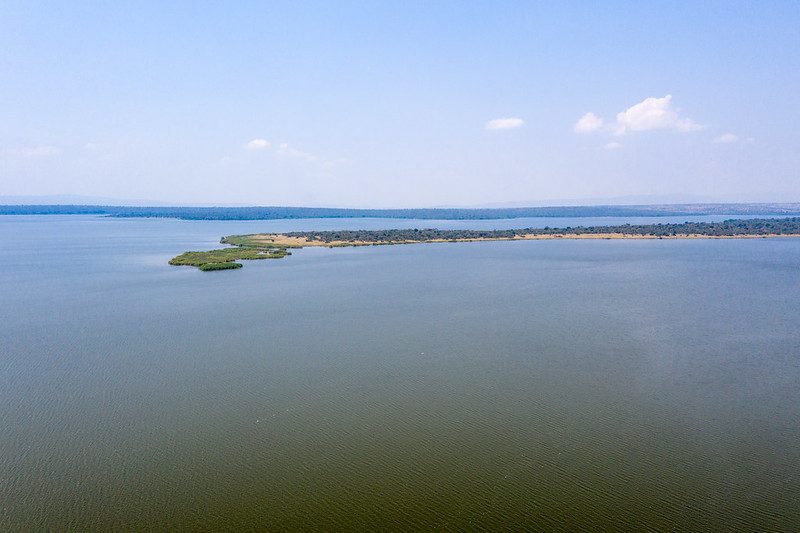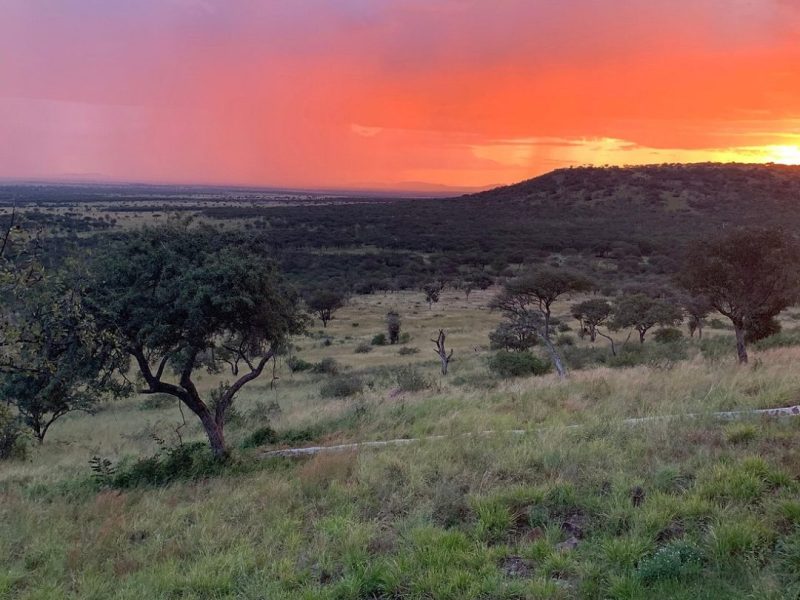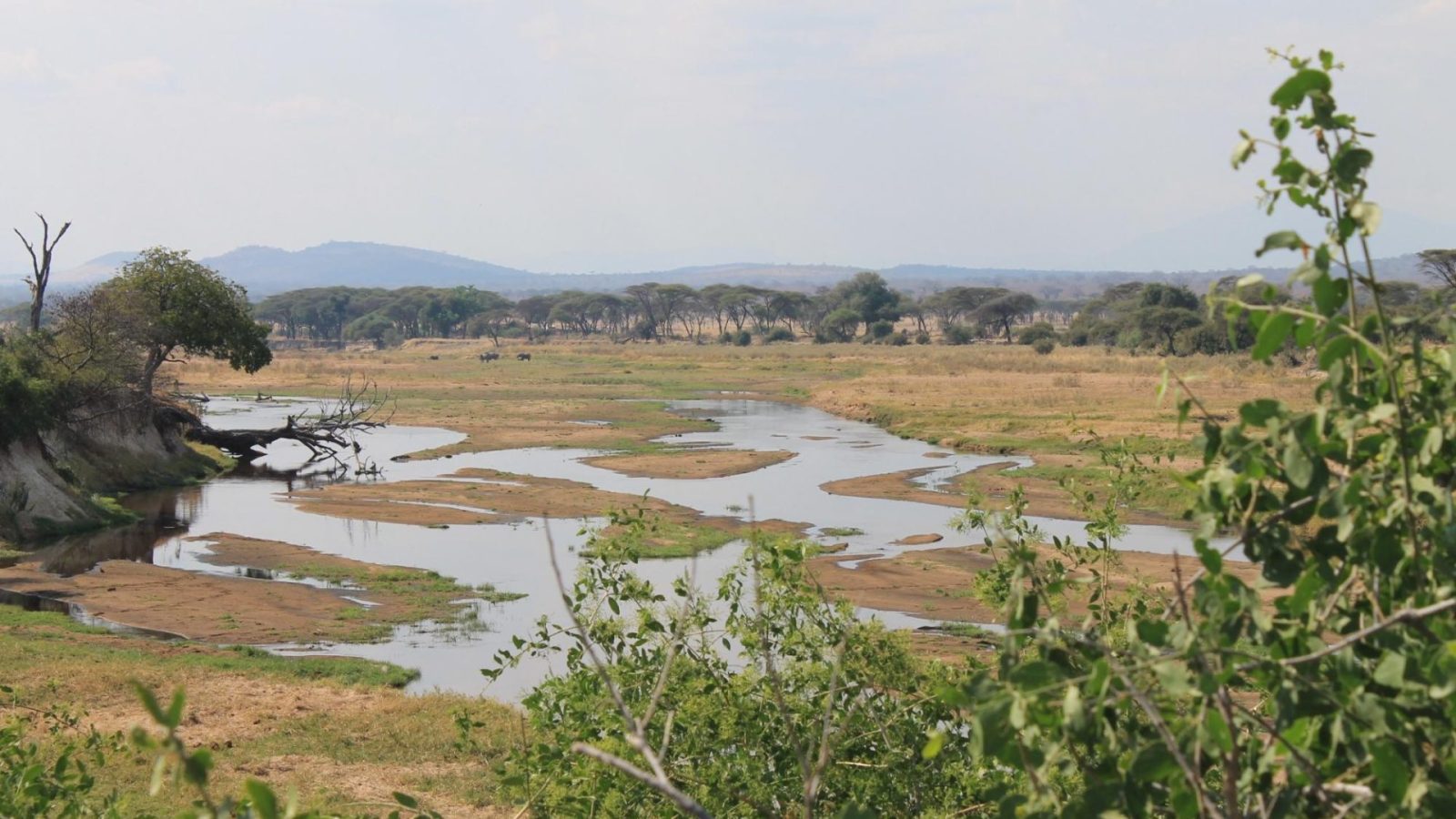
The Kagera River is the largest single inflow into Lake Victoria and carries water from the most distant headwater of the Nile, running along the western edge of Burigi-Chato National Park and forming much of Tanzania’s border with Rwanda. Travellers reach its Tanzanian stretches on safaris into Burigi-Chato and Rumanyika-Karagwe, or from the Rwandan side at Akagera National Park. Known locally as the Akagera and historically as the Alexandra Nile, the river drains a basin shared by Burundi, Rwanda, Tanzania and Uganda.
It is a border, a wildlife corridor and a headwater of the longest river system in Africa, all at once.
Where a Kagera River Safari Runs Beside Burigi-Chato National Park
Any Kagera River safari in Tanzania is really a trip into the Kagera Region, the administrative area that takes its name from the water. The river marks the boundary between Tanzania and Rwanda along its middle course, then turns east to run along the Tanzania and Uganda border before crossing into Tanzania and emptying into Lake Victoria a short distance north of Bukoba.
Burigi-Chato National Park sits inside that arc. The park is bounded on the western side by the Kagera system and holds Lake Burigi at its heart, and the two waters belong to the same drainage. Rumanyika-Karagwe and Ibanda-Kyerwa National Parks, both gazetted alongside Burigi-Chato, sit further up the same corridor closer to the Rwandan and Ugandan borders.
Practically, this means you do not visit the Kagera as a standalone destination in the way you might visit a waterfall. You visit the country it made, and the river appears repeatedly as you move through it.
The Kagera as the Nile’s Most Distant Headwater: What Visitors Experience
The river’s claim to fame is hydrological. Water arriving at the Mediterranean by way of the Nile can be traced back further through the Kagera than through any other channel, which makes this the remotest source of the whole system.
The section actually named Kagera begins in Burundi, flowing out of Lake Rweru. From there it runs east along the Rwanda and Burundi border, then the Rwanda and Tanzania border, to its confluence with the Ruvubu River. Two major tributaries feed it: the Nyabarongo, which rises in Rwanda and feeds Lake Rweru, and the Ruvubu of Burundi. Which of those two is the longer, and so which counts as the ultimate source of the Nile, has never been settled.
Total length from source to mouth is usually given as 597 kilometres, though the stretch carrying the Kagera name is closer to 400. The basin covers something approaching 60,000 square kilometres.
If the Nile source question interests you, Rusumo Falls on the Rwanda and Tanzania border is the accessible pilgrimage point. Richard Kandt located the river’s source in 1898, and the falls sit on the same water that eventually reaches Egypt.
Rusumo Falls Tours on the Kagera River Border Crossing
Rusumo Falls is the single most visited feature on the river, sitting directly on the Rwanda and Tanzania border where the Kagera drops over Precambrian schists and quartz phyllites. The falls stand roughly 15 metres high and 40 metres wide, which is modest by the standards of African waterfalls but substantial in volume, since the entire Kagera passes through them.
The border crossing here is a working one, and the falls are viewed from a bridge and the immediate banks rather than from a developed viewing area. That makes them easy to combine with an overland move between Rwanda and northwestern Tanzania, and awkward to visit as a dedicated excursion from deep inside Tanzania.
History has passed through this point repeatedly. Gustav Adolf von Götzen crossed the Kagera at Rusumo in 1894, an event that opened the colonial period in Rwanda, and Belgian forces entered Rwanda by the same route in 1916 during the First World War. The river also carried bodies into Lake Victoria during the Rwandan genocide of 1994, a fact that is part of its history and is worth knowing before you arrive at what is otherwise a pleasant stretch of water.
Kagera River Wildlife Viewing on a Burigi-Chato Safari
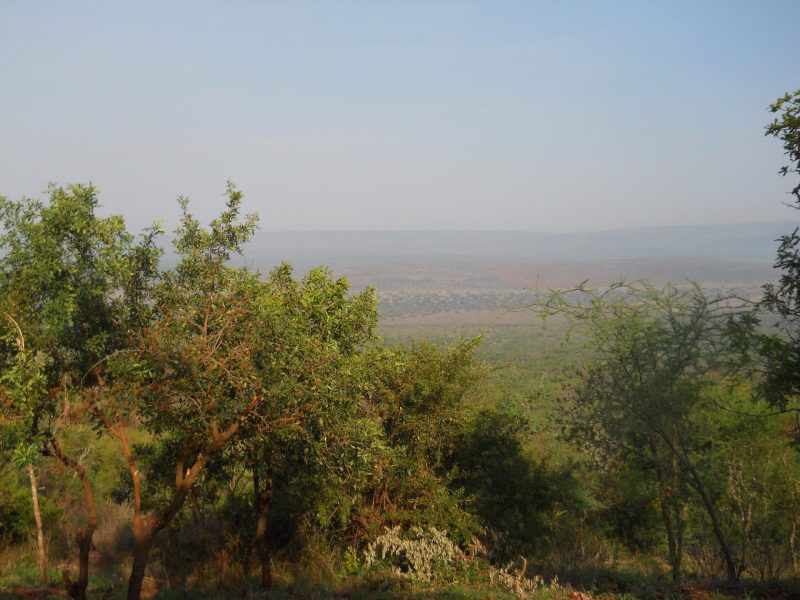
Wildlife along the Kagera River corridor follows the water, which is what makes river-adjacent game viewing productive in a park as large and as thinly stocked as Burigi-Chato. The floodplains and forested valleys along the drainage hold better densities than the open miombo away from it.
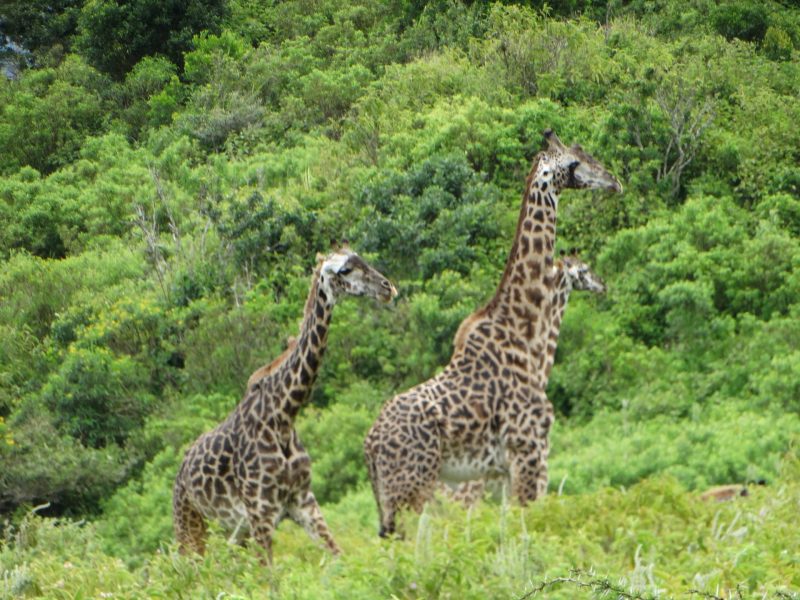
Hippo and large Nile crocodile are the constants in the river and its connected lakes. Elephant, buffalo, zebra, giraffe, waterbuck, eland, topi, impala, roan antelope, sable antelope, warthog and oribi occur across the park and come to water in the dry months. Bushbuck work the thicker riverine vegetation. The swampy sections along the drainage hold sitatunga, though these are shy and sightings are not guaranteed.
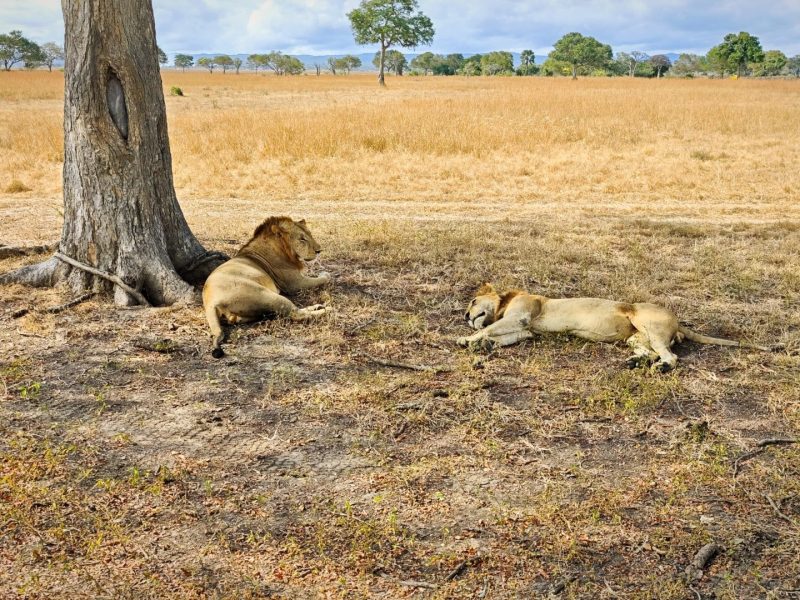
Predators are present. Lion, leopard and spotted hyena occur in Burigi-Chato, with jackal and serval also recorded. Numbers are recovering rather than high, since the area was heavily affected by poaching during its years as a game reserve, and honest guides will tell you that a big cat sighting here is a good day rather than an expectation.
The Kagera drainage is doing the work that the Seronera river does in Serengeti: it holds the animals in place when everything else dries out, and it tells you where to look.
Birdwatching Safaris Along the Kagera River Wetlands
The wetlands strung along the Kagera system make this one of the better birdwatching safari areas in northwestern Tanzania, largely because papyrus swamp is a specialised habitat with its own set of species.
African fish eagles occur at high density along the river and connected lakes. Saddle-billed stork, wattled crane, wattled lapwing, Senegal lapwing, herons, egrets and kingfishers are recorded around the water. Papyrus specialists, including the papyrus gonolek, are associated with the reed beds of this system. Eurasian migrants arrive from around November and swell the numbers through the northern winter.
Shoebill is the bird birders ask about, and the papyrus habitat along this drainage is right for it. Park literature raises the possibility. Confirmed sightings in Burigi-Chato are scarce enough that you should treat it as a long shot rather than a target, and be sceptical of anyone selling a shoebill trip here.
Boat Safaris and Canoeing on the Kagera System
Water-based trips in Burigi-Chato run mostly on Lake Burigi rather than on the river channel itself, and this is the practical way most visitors get onto the Kagera drainage. TANAPA charges a specific boating safari fee for Burigi-Chato, and canoeing is offered separately with a three-hour cap per session in this park.
Early morning is the productive window. Hippos are still settled, birds are active, and the light along the wooded valleys is at its best before the heat pushes everything into shade. Late afternoon works too, with the added benefit that hippo begin moving out to graze as the light drops.
Sport fishing is permitted in the park under specific guidelines and restricted to daylight hours between seven in the morning and five in the afternoon. Tilapia are the mainstay of the catch in these waters.
The Kagera as a Cross-Border Corridor for Rwanda and Tanzania Safaris
What makes this river ecologically interesting is that it does not stop at any national boundary. The same drainage runs through Akagera National Park in Rwanda and continues into the Tanzanian protected areas on the eastern bank, so Burigi-Chato, Ibanda-Kyerwa and Rumanyika-Karagwe form the Tanzanian side of a system that Rwanda protects from the west.
The corridor extends further north as well, connecting toward Ugandan rangeland and, at a wider scale, the Lake Mburo country. Elephant movements between the Moyowosi and Burigi areas have been documented along related routes, which is one reason the merging of the three former reserves into a single national park mattered beyond the paperwork.
For a traveller, the practical upshot is that a Rwanda and Tanzania combination trip has a genuine logic to it rather than being two separate holidays stapled together. Akagera on one bank, Burigi-Chato on the other, with Rusumo Falls in between.
How the Kagera Feeds Lake Victoria and the Lake Zone Safari Circuit
The Kagera is the largest single tributary of Lake Victoria, contributing several billion cubic metres of water each year, and that inflow matters far beyond the park boundaries. Lake Victoria supports one of the largest inland fisheries on earth, and the fishing communities strung along the Tanzanian shore near Chato and Bukoba depend on it directly.
The river enters the lake on the Ugandan side, north of Bukoba, after turning east along the Tanzania and Uganda border. From there the water continues out of Lake Victoria as the Victoria Nile, into the White Nile, and onward.
Basin management is shared. The Kagera River Basin Organisation was set up in 1981 by the four riparian states, and its work has since been largely folded into the wider Nile Basin Initiative.
Best Time for a Kagera River and Burigi-Chato Trip
Rainfall in this corner of East Africa comes in two peaks, one around November and December and a second in March and April, with settled dry weather from June through September.
June to September: The dry season and the best window. Wildlife concentrates along the river and lake, tracks are firm, and river levels are lower and clearer. Warm days and genuinely cool nights.
October to December: Rains return, the valleys green up, and migrant birds arrive. Game disperses away from the permanent water. Rusumo Falls runs harder and looks better.
January and February: A drier gap between the two peaks. Quieter, workable, and a reasonable second choice.
March to May: The heavier rains. The falls are at full volume, but unsurfaced tracks in Burigi-Chato become the constraint and days can be lost to access rather than weather.
Getting to the Kagera River for Your Safari
Bukoba is the natural base for the lower Kagera, sitting on the Lake Victoria shore with an airport receiving scheduled domestic flights. From Bukoba, Burigi-Chato is roughly two to three hours by road depending on conditions.
Coming from the east, Mwanza is the larger gateway. The drive to Burigi-Chato runs around 150 kilometres and takes three to five hours, with Chato town about 40 kilometres from the Katete Gate. Chato has an airport with domestic services. Private charters can reach an airstrip near the Nkonje ranger post beside Lake Burigi, or the Biharamulo airstrip.
From Rwanda, the Rusumo crossing puts you on the river itself, with Kigali roughly a half-day drive away. That routing lets you pair Akagera National Park with the Tanzanian parks on the same overland trip, which is the most coherent way to see this river system properly.
A 4×4 is sensible in every season here and necessary in the wet months.
Frequently Asked Questions About a Kagera River Safari
How much does it cost to visit the Kagera River area in Tanzania?
Access is through the national parks along the drainage, and Burigi-Chato, Ibanda-Kyerwa and Rumanyika-Karagwe all sit in the same TANAPA fee band. The conservation fee currently runs at US$30 per person per day for non-East African adults, US$10 for children aged five to fifteen, US$15 and US$5 for expatriates and Tanzanian residents, and TZS 5,000 and TZS 2,000 for East African Community citizens. Under-fives are free. Add 18 percent VAT to all park charges. Rusumo Falls itself sits at a public border crossing and carries no park fee.
What does a boat safari on the Kagera system cost?
The boating safari fee in Burigi-Chato and Rumanyika-Karagwe is currently US$20 per person, or TZS 10,000 for East African citizens. Canoeing, capped at three hours in these parks, is US$10 per person and TZS 5,000 for EAC citizens. Sport fishing runs at US$25 per adult per day and US$10 for children aged five to fifteen, with rod hire at US$20 per rod per day. A park guide is US$20 per group per day, which is worth taking given the size of the area.
Is the Kagera River really the source of the Nile?
It carries water from the most distant source of the Nile, which is the careful way to put it. The Nile has several claimed sources, and the debate turns on which headstream you measure from. The Kagera’s two feeder rivers, the Nyabarongo of Rwanda and the Ruvubu of Burundi, have never been definitively ranked against each other, so the exact furthest point remains open. What is not disputed is that Kagera water reaches Lake Victoria, exits as the Victoria Nile, and ends up in the Mediterranean.
Can you visit Rusumo Falls from Tanzania?
Yes. The falls sit on the Rwanda and Tanzania border and are viewed from the crossing point and immediate banks. There is no developed visitor centre or entry ticket, and the site functions primarily as a border post. Most travellers see it while moving overland between Kigali and northwestern Tanzania rather than as a dedicated day trip, since it is a long way from Mwanza or Bukoba.
Can I combine the Kagera River with Akagera National Park in Rwanda?
Yes, and it makes good sense geographically. Akagera protects the Rwandan bank of the same drainage, Burigi-Chato and its neighbouring parks protect the Tanzanian side, and the Rusumo crossing links them. Expect a border formality and a change of currency and language, and check current visa arrangements before travelling. The East Africa Tourist Visa covers Rwanda, Uganda and Kenya but not Tanzania, so Tanzania needs its own visa.
Are there hippos and crocodiles in the Kagera River?
Yes, both in numbers. Nile crocodiles here reach substantial size, and hippo pods hold in the deeper sections and connected lakes through the day. This is the reason swimming is not an option anywhere on this system. Keep to boats and designated viewpoints, and follow your guide’s routing when canoeing rather than pushing for closer photographs.
Where should I stay to explore the Kagera River area?
Options are limited and mostly basic. TANAPA runs a rest house, cottages and park-provided tents at Burigi-Chato, currently around US$35 per adult per night for the cottages and rest house and US$30 for park tents, alongside public campsites at US$30 per adult and special campsites at US$50. Outside the park, Chato, Biharamulo, Kayanga and Bukoba have guesthouses and small hotels, mostly in the US$20 to US$50 range, with a few mid-range options in Bukoba.
Booking Your Burigi-Chato Trip
The safari companies and tour operators listed on this website put trips like this together for a living and know which camps, guides and routes actually deliver. We are an independent guide to Burigi-Chato; we do not book or sell tours ourselves.
When you are ready, arrange your safari, tour or holiday with one of the recognised operators listed here. Tell them your dates and what matters most, and a real person, not a form, will handle the itinerary, park bookings and logistics for you.