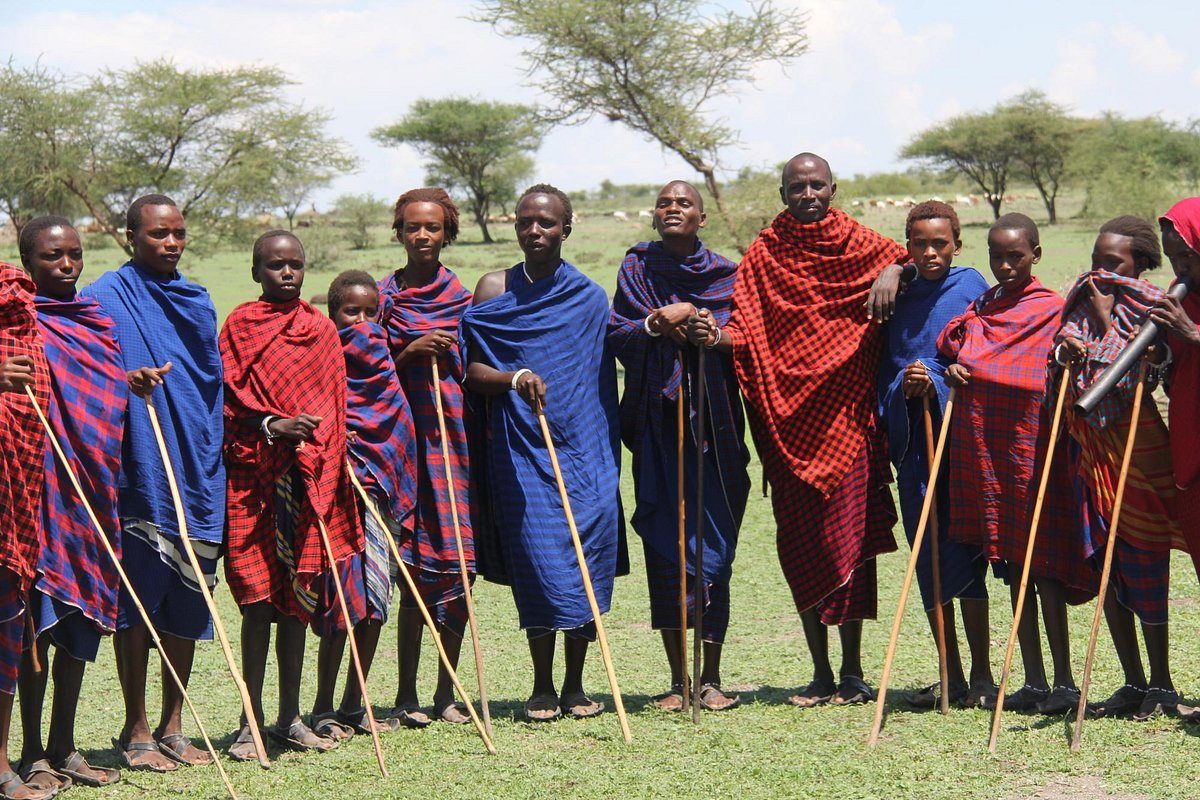
Cultural community visits around Burigi-Chato National Park take place in the villages of the surrounding districts, where Haya, Nyambo, Hangaza, Subi and Sukuma communities farm bananas and coffee, fish Lake Victoria and live alongside the park boundary. Visits are arranged through operators working in the region rather than through the park itself. Burigi-Chato spans the Kagera and Geita regions of northwestern Tanzania.
The communities here are not a sideshow to the park. Their history and the park’s are the same story.
Who Lives Around the Burigi-Chato Safari Area
The districts surrounding a Burigi-Chato safari hold several related but distinct communities, and knowing which one you are visiting makes the experience considerably richer.
The park spans Karagwe, Biharamulo, Muleba and Ngara districts in Kagera Region and Chato district in Geita Region. The Haya are the dominant group across Bukoba, Muleba and the northern Kagera districts, a Bantu-speaking people whose language is Oluhaya and whose historical and linguistic ties run north into southern Uganda.
In Karagwe and Kyerwa the main language is Nyambo, the closest variant of Haya, spoken by a closely related group. Ngara district in the southwest is home to the Hangaza. Biharamulo holds several communities with linguistic and cultural similarities to both. The Subi and Zinza are also present in the region, and Sukuma communities occupy the ground east and south around Geita and Mwanza.
Ask your guide which community you are visiting and how to greet people in the local language rather than only in Swahili. It is a small courtesy that changes the tone of a visit completely.
Banana and Coffee Farming Tours in the Kagera Districts
Agriculture is the visible culture of this region, and the farming system itself is what visitors find most interesting.
The Haya practise an intensive banana-based farming system, known as kibanja, which grows bananas as a staple alongside coffee, beans and other plants in terraced, mulched gardens. Soil fertility is maintained through organic inputs including manure and grass mulch, and the system supports high population densities on the same ground over long periods.
Bananas here are not a dessert fruit. Matoke, the large green cooking bananas, are steamed or roasted and form a dietary staple alongside maize and beans. Banana beer is brewed locally and is part of social ritual rather than simply a drink.
Coffee is the main commercial crop of Kagera Region and has been for generations, which is why a farm visit here has an economic dimension that a purely cultural performance does not.
A morning walking a kibanja garden with the family who works it is among the more genuine cultural activities available in this part of Tanzania.
The History of the Kagera Kingdoms for Visiting Tourists
The political history here is unusually deep and is worth knowing before you arrive.
For several centuries the Kagera area was organised into a set of independent kingdoms, usually listed as nine: Kihanja, Karagwe, Kiziba, Misenye, Bugabo, Kyamtwara, Ihangiro, Bukara and Biharamulo. Each was ruled by a king or chief whose title was Omukama, an office that was inherited.
Clan systems remain highly developed and respected across Haya and Nyambo society, guiding marriage, the naming of children, traditional land ownership and inheritance. Authority has historically flowed along lines of gender and age, as in other communities across the interlacustrine region of East Africa.
German colonisation from the 1880s altered the standing of the kingdoms, and the British took over after the First World War. The kingdoms were finally dissolved after independence, when the first president considered them a barrier to national unity.
Kagera was also among the first areas where Lutheran missionaries settled, which left its mark on the region’s schooling and church presence.
Community Tours Along the Lake Victoria Shore
East of the park, life runs on the lake rather than on the farm.
Chato sits on the Lake Victoria shore in Geita Region, about 40 kilometres from the Katete Gate, with Bukoba north on the western shore in Kagera. Both are working towns rather than tourist ones, and the fishing economy is the thing to see.
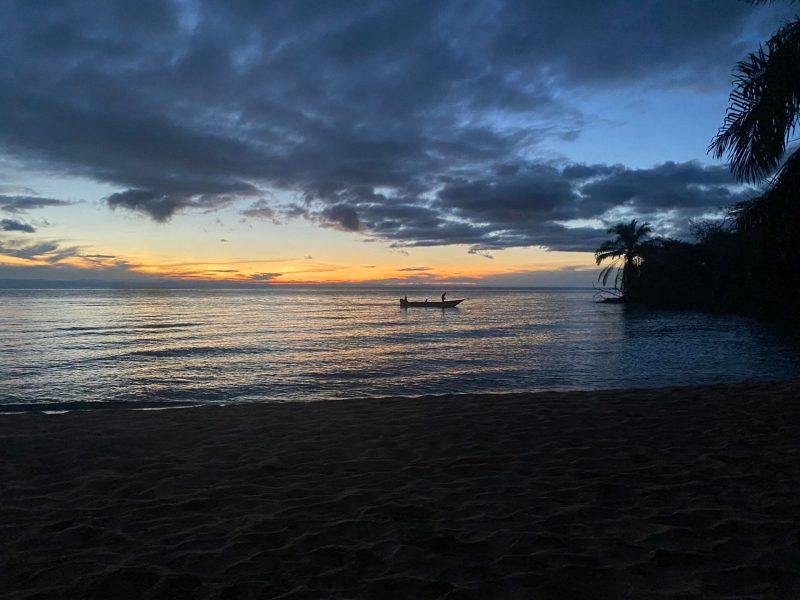
Lake Victoria supports one of the largest inland fisheries anywhere. Boats go out overnight and come in around dawn, and the landing sites at first light are the most active thing happening near the park. Nile perch and tilapia dominate the commercial catch, with dagaa, the small silver fish dried on racks and open ground, forming the staple protein trade.
Bukoba is Tanzania’s second largest lake port and has a relaxed feel the larger cities lack. Half a day there is worth building into a trip.
The dawn landing sites are the most genuinely alive thing to see anywhere near this park, and they cost nothing but an early start.
Sukuma Cultural Tours Around Mwanza and Geita
If you are arriving through Mwanza, the Sukuma country between the city and the park adds another layer.
The Sukuma are among Tanzania’s largest ethnic groups and occupy much of the ground south and east of Lake Victoria. Their cultural traditions include distinctive dance forms accompanied by large drums, along with a strong storytelling tradition.
The Bujora cultural centre outside Mwanza is the established place to see this, holding an annual festival that draws both local and international visitors alongside a museum presenting Sukuma history and material culture.
Mwanza also gives you Bismarck Rock, the balanced granite formation off the city waterfront, the fish markets, and Saanane Island National Park, Tanzania’s smallest, reached by a short boat crossing.
Building a half day here at the start or end of a trip costs very little and adds a dimension the park itself does not have.
The Refugee History and Its Legacy for Visitors
No honest account of the communities around this park can skip the 1990s, and visitors should know it.
After the Rwandan genocide of 1994, several hundred thousand refugees crossed into these districts, with the main camp sited on the very edge of what was then Burigi Game Reserve. Food rations did not supply enough protein, and wild meat hunting rose steeply. Studies report large mammal populations across the reserves falling by around sixty percent between 1994 and 1996, and woodland was cut heavily for building poles and fuel.
Most refugees returned to Rwanda from the late 1990s. The recovery of the park’s wildlife dates from that point.
This history is recent and it is local. Handle it with care in conversation, follow the lead of the people you are visiting, and do not treat it as a curiosity.
How to Arrange a Community Tour
These visits are not run by the park, so the arrangement differs from booking a game drive.
Cultural and community visits to villages around the park and along the Lake Victoria shore are usually organised through operators working in the region. Ask your operator directly rather than assuming a visit can be arranged on arrival, since it depends on relationships with specific communities.
Expect a contribution to be requested, which is fair and is the point. A visit that puts money into a village on the park boundary does more for conservation than the same money spent at the gate, because the mid-1990s losses were driven by need on that boundary rather than by organised commercial poaching.
National conservation policy has stressed deepening relations with communities living around protected areas, on the basis that grassroots participation is what makes enforcement hold over time.
Etiquette on a Cultural Tour
A few straightforward things make a visit go well.
Ask before photographing anyone, and accept a refusal without argument. Photographing people without consent is the most common complaint communities make about visitors anywhere in East Africa.
Dress modestly. Covered shoulders and knees is the norm away from beach areas and is noticed. Greet people properly and unhurriedly, since greetings matter more here than getting to the point does.
Do not hand out sweets, pens or money to children, which encourages begging and undermines schooling. If you want to contribute, do it through the community arrangement or a school or clinic directly.
Buy something if crafts or produce are offered. It is a more dignified transaction than a donation and the money goes to the person who made it.
Fitting Community Visits Into a Safari Itinerary
These visits work best around the edges of the park rather than competing with wildlife time.
The park’s productive hours are the first and last of the day. The middle of the day, when wildlife lies up in shade, is the natural slot for a village or farm visit, as is the day you arrive or leave.
Geographically, Chato and the eastern shore suit a trip entering through the Katete Gate. Bukoba and the Haya farming country suit anyone arriving from the north or heading toward Rumanyika-Karagwe. Mwanza and the Sukuma country suit trips built around the western Serengeti or Rubondo Island.
A half day at either end of a two or three night park visit is the usual shape, and it does not cost you a single game drive.
Frequently Asked Questions About Cultural Community Tours
What does a community visit cost?
There is no TANAPA fee, since these take place outside the park and are arranged through operators rather than the park authority. Expect a contribution to the community, typically arranged by your operator and usually modest by comparison with park charges. For reference, park entry itself is US$30 per person per day for non-East African adults. Bring Tanzanian shillings in cash, since ATMs are in Mwanza, Bukoba and the larger towns rather than near the villages.
Which communities live around the park?
The Haya are dominant across Bukoba, Muleba and the northern Kagera districts, speaking Oluhaya and with historical ties north into southern Uganda. The Nyambo, closely related, are the main group in Karagwe and Kyerwa. The Hangaza are the principal community in Ngara district. Biharamulo holds several groups with similarities to both, and the Subi and Zinza are also present. Sukuma communities occupy the ground east and south around Geita and Mwanza.
What is there to see on a farm visit?
The kibanja system, which is the Haya intensive banana-based farming method: terraced, mulched gardens growing bananas alongside coffee, beans and other plants, with fertility maintained through manure and grass mulch. Matoke, the large green cooking bananas, are a dietary staple steamed or roasted, and banana beer is brewed locally. Coffee has been the main commercial crop of Kagera Region for generations, so a farm visit has a real economic dimension.
Can I visit the fishing communities?
Yes, and the dawn landing sites are the most active thing happening anywhere near the park. Boats go out overnight and return around first light at Chato, about 40 kilometres from the Katete Gate, and along the Bukoba shore. Nile perch and tilapia dominate the commercial catch, with dagaa, small silver fish dried on racks, forming the staple trade. Ask before photographing and expect a small contribution to be requested.
How do I arrange a visit?
Through an operator working in the region, since these are not run by the park and depend on established relationships with specific communities. Ask when you book rather than on arrival. National conservation policy has emphasised deepening relations with communities around protected areas, and a visit that puts money into a village on the park boundary supports that directly.
What should I know about etiquette?
Ask before photographing anyone and accept a refusal. Dress modestly with shoulders and knees covered, which is noticed. Greet people properly and without rushing, since greetings carry more weight here than efficiency does. Do not hand out sweets, pens or money to children, which encourages begging and undermines schooling. If crafts or produce are offered, buying something is a more dignified exchange than a donation.
Is the 1990s refugee history discussed on visits?
Sometimes, and it should be handled carefully. Several hundred thousand refugees arrived in these districts after the Rwandan genocide of 1994, with the main camp on the edge of what was then Burigi Game Reserve, and the wildlife losses that followed are the reason the park’s populations are still recovering. The history is recent and local. Follow the lead of the people you are visiting rather than raising it as a topic of interest.
Booking Your Burigi-Chato Trip
The safari companies and tour operators listed on this website put trips like this together for a living and know which camps, guides and routes actually deliver. We are an independent guide to Burigi-Chato; we do not book or sell tours ourselves.
When you are ready, arrange your safari, tour or holiday with one of the recognised operators listed here. Tell them your dates and what matters most, and a real person, not a form, will handle the itinerary, park bookings and logistics for you.