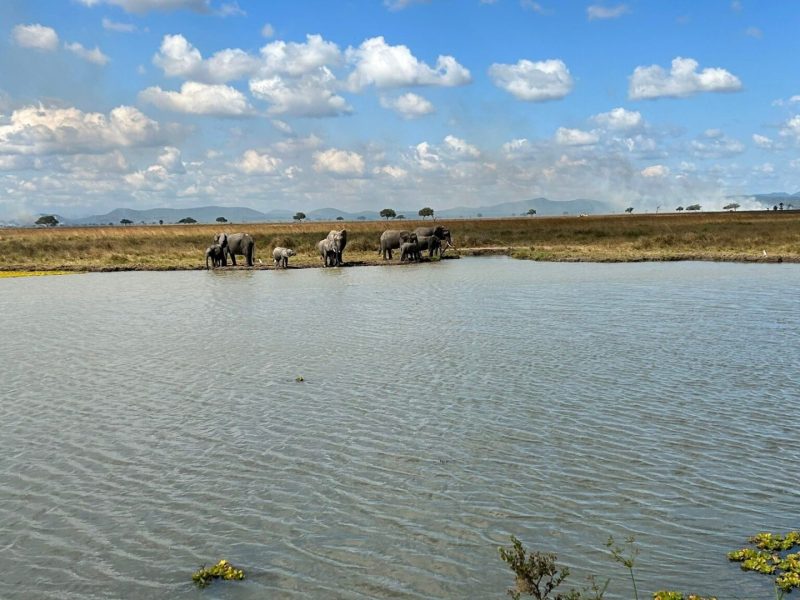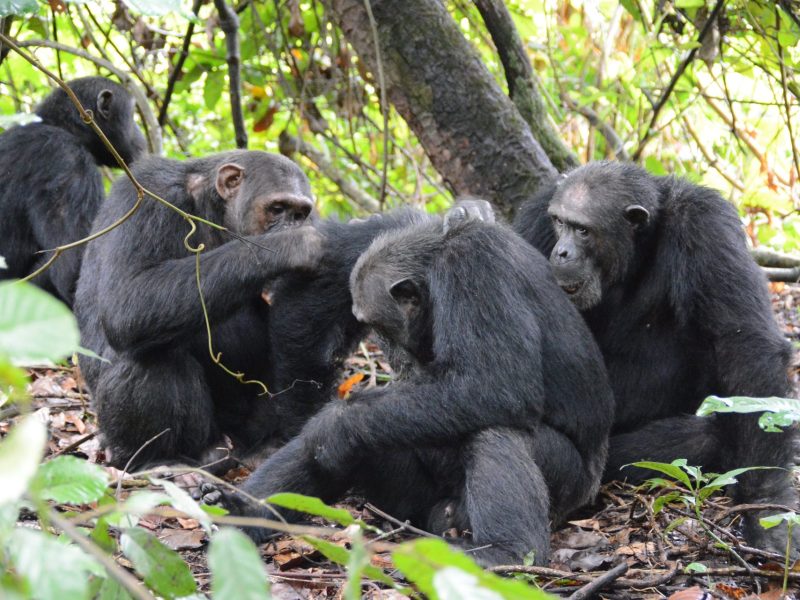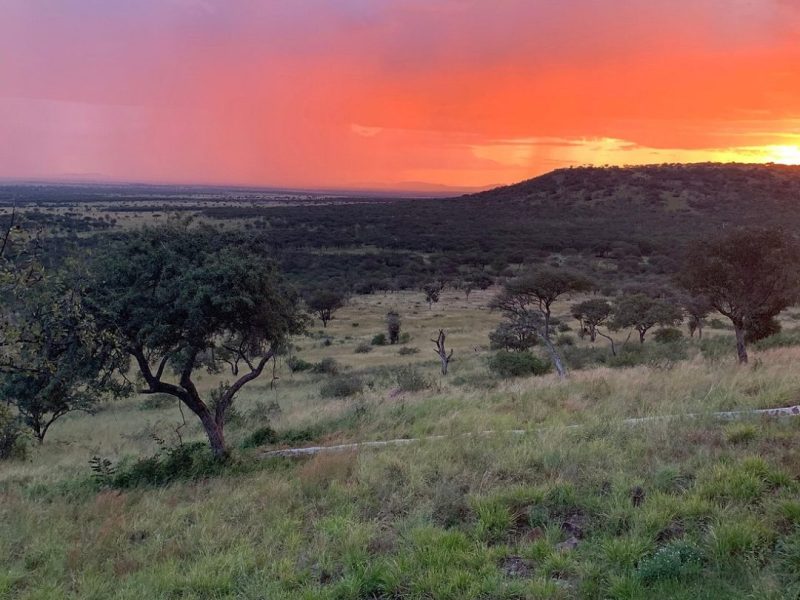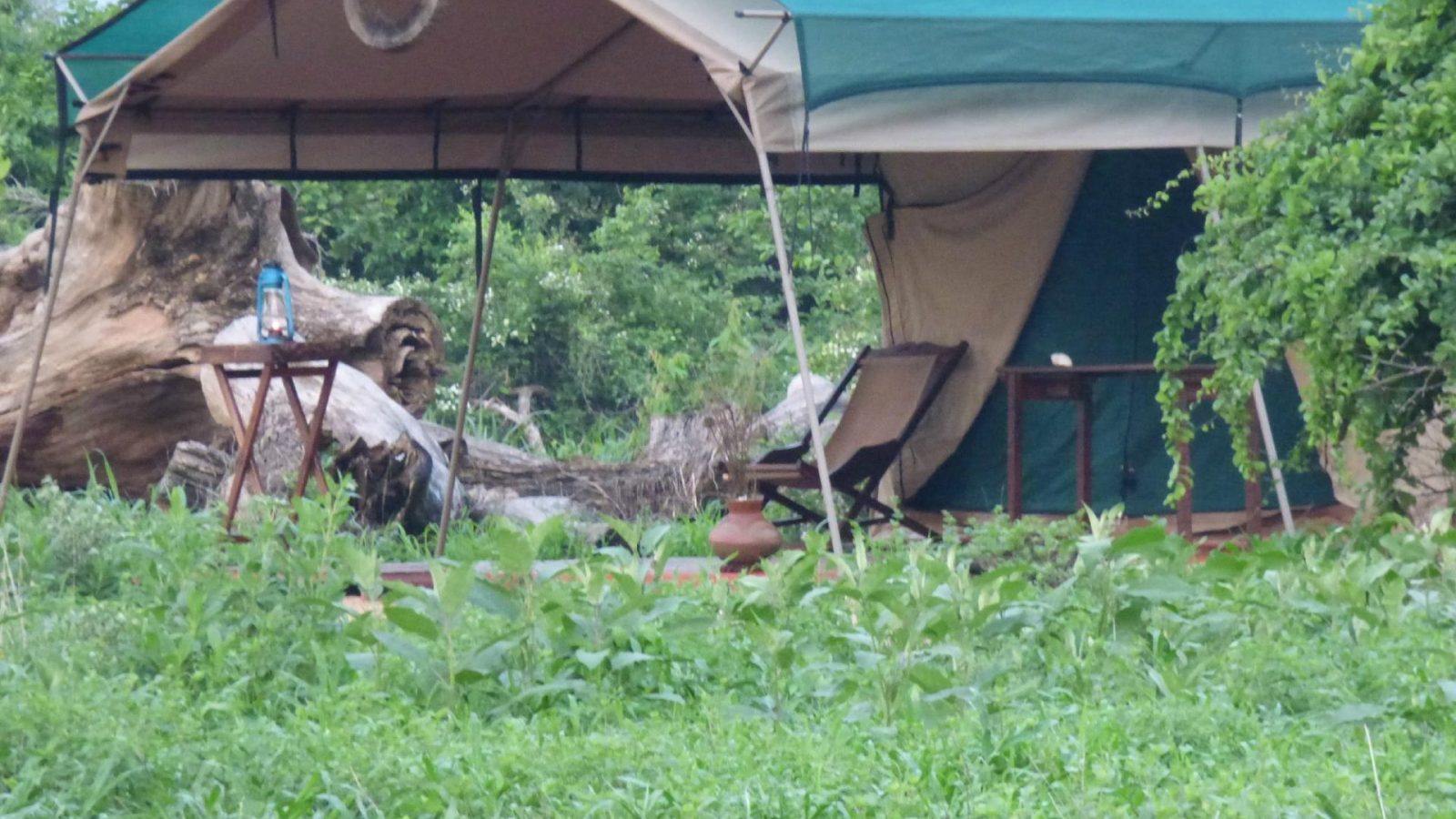
A camping safari in Burigi-Chato National Park uses public campsites, special campsites, seasonal or fly camps, or park-provided tents, all sited near the lakeshore and the ranger posts with basic ablutions and fire pits. Camping is the main way to sleep inside the park, since there are no lodges. Burigi-Chato covers 4,707 square kilometres of northwestern Tanzania, and staying inside is what makes dawn activities possible.
The facilities are minimal and the location is everything. That trade defines camping here.
Why Camping Is the Right Choice on a Burigi-Chato Safari
On most Tanzanian trips camping is the budget option. On a Burigi-Chato safari it is closer to the only option, and it is also the best one.
There are no luxury lodges inside the park boundary. Park literature describes accommodation as still developing, with public and special campsites in place and moves under way to encourage permanent camps and lodges. What exists now is camping, park-run tents, a rest house, cottages, and bandas with a tented camp at the Nkonje ranger post.
The alternative is basing in Chato, Biharamulo, Kayanga or Bukoba and driving in each morning. That costs you the first hour of light, which in a park with recovering wildlife densities is the hour that decides what you see. It also puts the Lake Burigi valley in the western sector well beyond reach as a day trip.
Camp on the lake shore if the water activities matter to you. A dawn boat departure for sitatunga or birding is only practical if you wake up beside the launch point.
Public Campsites for a Budget Camping Safari
Public campsites are the cheapest way to sleep inside the park, charged per person per night with a reduced rate for children aged five to fifteen.
Facilities are basic: ablutions and fire pits, sited near the lakeshore and around the ranger posts. They are shared with whoever else turns up, which in a park receiving very few visitors often means nobody at all.
No booking is strictly required for public sites in the way it is for the others, though checking availability with the park or your operator before you travel is sensible given how limited the infrastructure is.
You bring everything: tent, sleeping bag rated for cool nights, mat, cooking equipment, fuel, food and all drinking water. There is none available inside the park.
Special, Seasonal and Fly Campsites for a Mobile Safari
Three further categories exist and all require prior booking, which is how operators build routes around your own dates here.
Special campsites: Unserviced and exclusive to your party, at a higher nightly rate than public sites. The standard choice for a mobile camping trip where you want the site to yourselves.
Seasonal campsites: Used by operators running a camp for part of the year, at a similar rate to special sites, again requiring prior booking.
Fly campsites: For lightweight mobile camping, where a camp is set up and struck as a trip moves through the park. Available in all national parks except Ugalla River and Kigosi.
Park-provided tents: TANAPA supplies tents at Burigi-Chato at a set nightly rate, cheaper than the rest house and cottages, for visitors who would rather not carry their own.
Special and fly campsites are unserviced entirely, meaning no ablutions and no fire pits, so a full self-sufficient setup is needed.
The Nkonje Ranger Post and Park Accommodation for Safari Guests
If camping is not appealing but you still want to sleep inside the park, TANAPA runs its own accommodation.
The Nkonje ranger post area beside Lake Burigi offers bandas and a tented camp with basic amenities, and there is an airstrip alongside that private charters can use. Elsewhere, TANAPA runs a rest house, cottages and park tents, all charged per head per night with a reduced rate for children aged five to fifteen and all requiring prior booking.
Standards are modest. Expect a bed, a roof, basic sanitation and little else. Mains power is not reliable and there is no drinking water supply.
The number of beds is very small, so book well ahead rather than assuming availability.
What to Bring on a Camping Safari Here
Everything, is the short answer. The nearest shops are in Chato, Biharamulo, Kayanga, Bukoba or Mwanza.
Shelter and sleeping: Tent, sleeping bag rated for genuinely cool nights, and a mat. Nights here are cold enough to want a fleece even in the warm months, and colder on the ridge ground than by the water.
Cooking: Stove, fuel, cookware, and all food. Public sites have fire pits; special and fly sites do not.
Water: All of it, bought in bulk in Mwanza or Bukoba rather than the smaller towns where supply is less dependable. There is none inside the park.
Light and power: A headtorch with spare batteries, which you will want for pre-dawn boat departures, plus a power bank and ideally a vehicle charger for cameras and phones.
Strong insect repellent matters most at the lakeshore sites, and this is a malaria area throughout, so prophylaxis is standard advice for the whole trip.
Camping Safely Around Wildlife on Safari
You are sleeping in a national park with buffalo, elephant, lion, leopard and hyena, and the sites are unfenced.
Keep all food sealed and stored, ideally in the vehicle. Olive baboon troops are common through the woodland and around campsites and will take anything left out. Feeding animals is prohibited in Tanzanian national parks, which includes the indirect feeding that comes from careless storage.
Hippo move out of the water at night to graze the shoreline grassland and return around dawn. Their paths run up from the lake, so understand where those routes are and do not pitch across one. Do not walk between a hippo and the water after dark.
Hyena calling across the valleys at night is atmospheric rather than dangerous, though they will investigate camps. Use a headtorch whenever you leave the tent, keep the group together, and do not wander outside the site.
The sounds are the reason to camp here. Hippo grazing, hyena calling and fish eagles at first light are not things you get from a hotel in Bukoba.
Camping Beside Lake Burigi for Dawn Boat Safaris
The lakeshore sites are the ones worth targeting, and the reason is access to the water at the right hour.
Lake Burigi runs roughly 30 kilometres long and about 4 kilometres wide with a scatter of islands and many swampy inlets. Sitatunga feed at the papyrus margins around dawn and dusk and withdraw into the reed beds through the day, so being on the water before sunrise is the whole game. Papyrus specialist birds are active at the same hours.
Boat and canoe trips launch from near the ranger posts and carry their own fees on top of the conservation charge. Canoeing is capped at three hours per session in this park. Both need booking in advance, since capacity is limited.
Camping here also gives you the option of a night game drive, permitted in Burigi-Chato and prohibited across much of the Tanzanian park system, followed by a short drive back to your tent rather than a long one to a town.
Mobile Camping Safaris With an Operator
The alternative to carrying your own equipment is a mobile camping trip run by an operator using special or fly campsites.
The operator sets up and strikes the camp, handles food, water and fuel, and moves the whole arrangement as the trip progresses through the park’s sectors. This is how routes covering more than one area are run, and it removes the logistics problem of a park with no supply points.
It costs considerably more than a self-catered public campsite and considerably less than the fly-in options. For a four or five day trip taking in both the Lake Burigi valley and the ridge or eastern sectors, it is the practical arrangement.
Special, seasonal and fly campsites all need prior booking, and park fee payment goes through the government electronic payment gateway rather than cash at the gate.
Best Season for a Camping Safari in Burigi-Chato
June to September: The best camping of the year. Dry nights, firm access tracks to the sites, and wildlife concentrated on the lake and permanent rivers. Nights are at their coldest, so pack a proper sleeping bag.
October to December: Storms arrive in bursts, usually afternoon and evening. Camping remains workable with proper waterproofing, though the rest house or cottages start to look sensible.
January to February: A drier interval between the rainfall peaks, quiet and comfortable, with high grass around the sites from the November rains.
March to May: The heavier rains make camping unpleasant, and unsurfaced access tracks to the internal sites become the limiting factor on whether you can reach them at all. Base in a town instead.
Frequently Asked Questions About a Burigi-Chato Camping Safari
How much does camping cost?
Public campsites are currently US$30 per adult per night for non-East African visitors and US$5 for children aged five to fifteen, with TZS 5,000 and TZS 2,500 for East African Community citizens. Special campsites are US$50 per adult and US$10 per child, seasonal campsites US$50 per adult, and fly campsites US$50 per adult. Park-provided tents are US$30 per adult and US$15 per child, and the rest house and cottages US$35 and US$15. All sit on top of the daily conservation fee of US$30 per non-East African adult, with 18 percent VAT added to every TANAPA charge.
Do I need to book a campsite in advance?
For special, seasonal and fly campsites, yes, prior booking is required, as it is for the rest house, cottages and park tents. Public campsites are less formal, but checking availability with the park or your operator before travelling is sensible given how limited the infrastructure is. Payment goes through the government electronic payment gateway, online, at a bank by card, or by mobile money, since cash is not accepted at the gate.
What facilities do the campsites have?
Public campsites offer basic ablutions and fire pits, and that is broadly the extent of it. Special and fly campsites are unserviced entirely, with no ablutions and no fire pits, so you need a fully self-sufficient setup. There is no drinking water anywhere inside the park and no reliable mains power. Buy bulk water in Mwanza or Bukoba rather than the smaller towns, and bring a headtorch with spare batteries.
Is it safe to camp with wildlife around?
The sites are unfenced and you are in a park with buffalo, elephant, lion, leopard and hyena, so ordinary bush discipline applies. Keep all food sealed and stored, ideally in the vehicle, since baboons will take anything left out. Hippo move out of the lake at night to graze the shoreline and return at dawn, so do not pitch across their paths or walk between a hippo and the water after dark. Use a headtorch whenever you leave the tent and stay within the site.
Can I camp without my own equipment?
Yes. TANAPA provides tents at Burigi-Chato at US$30 per adult per night and US$15 per child, which is cheaper than the rest house and cottages at US$35 and US$15. The Nkonje ranger post area also has bandas and a tented camp with basic amenities. The other option is a mobile camping trip run by an operator on special or fly campsites, where the camp is set up, struck and moved for you along with food, water and fuel.
Which campsite should I choose?
One on the Lake Burigi shore if the water activities matter to you, since a dawn boat or canoe departure for sitatunga and papyrus birds is only practical if you wake beside the launch point. The Nkonje ranger post area beside the lake is the main base in the western sector, with an airstrip alongside for charter arrivals. Sites near the eastern gates suit a short visit arriving from Mwanza or Geita.
How cold does it get at night?
Cool enough to need a proper sleeping bag and a fleece, and colder on the ridge ground than beside the water. Nights are at their coldest during the June to September dry season. The coldest you will be is not in camp but sitting still in an open boat before sunrise, where overnight temperatures combine with humidity off the water and wind chill, so pack a windproof layer as well.
Booking Your Burigi-Chato Trip
The safari companies and tour operators listed on this website put trips like this together for a living and know which camps, guides and routes actually deliver. We are an independent guide to Burigi-Chato; we do not book or sell tours ourselves.
When you are ready, arrange your safari, tour or holiday with one of the recognised operators listed here. Tell them your dates and what matters most, and a real person, not a form, will handle the itinerary, park bookings and logistics for you.