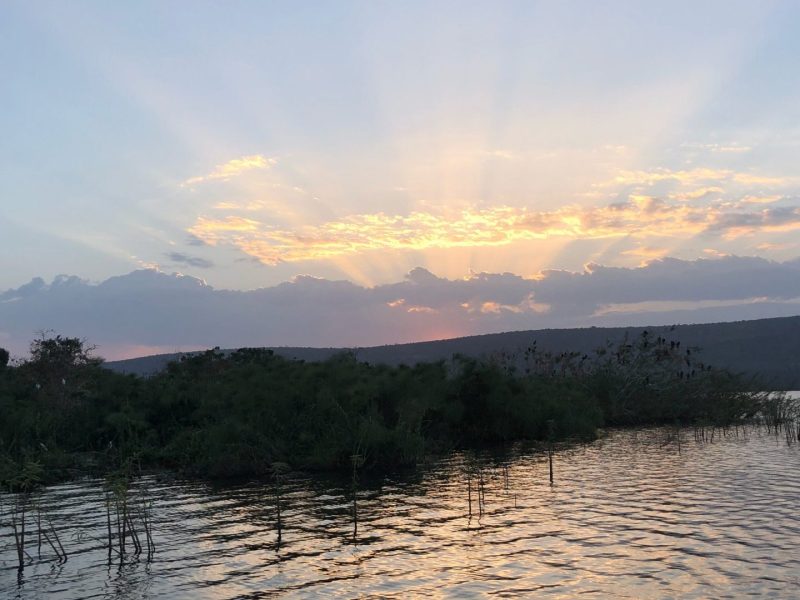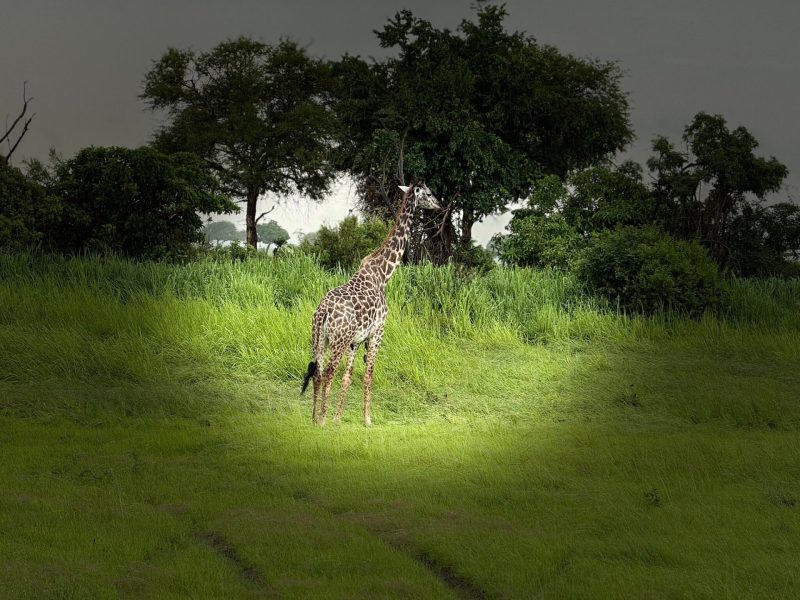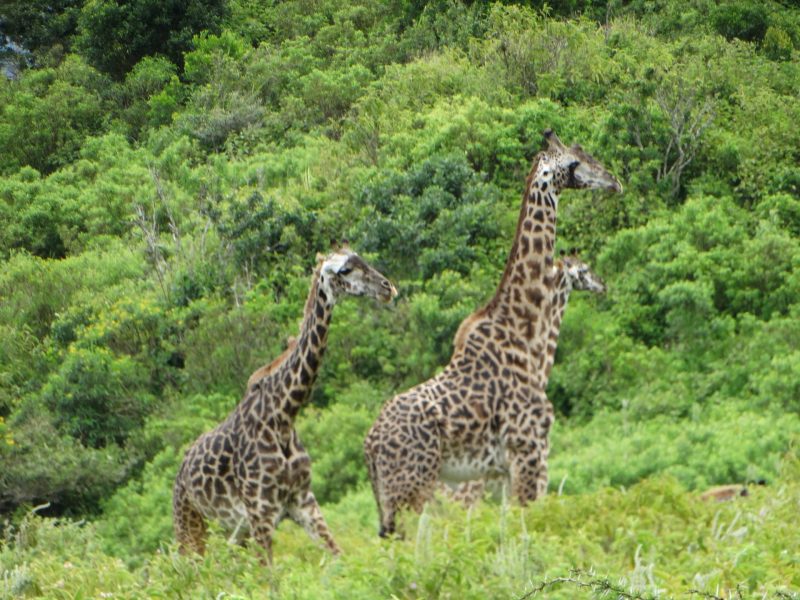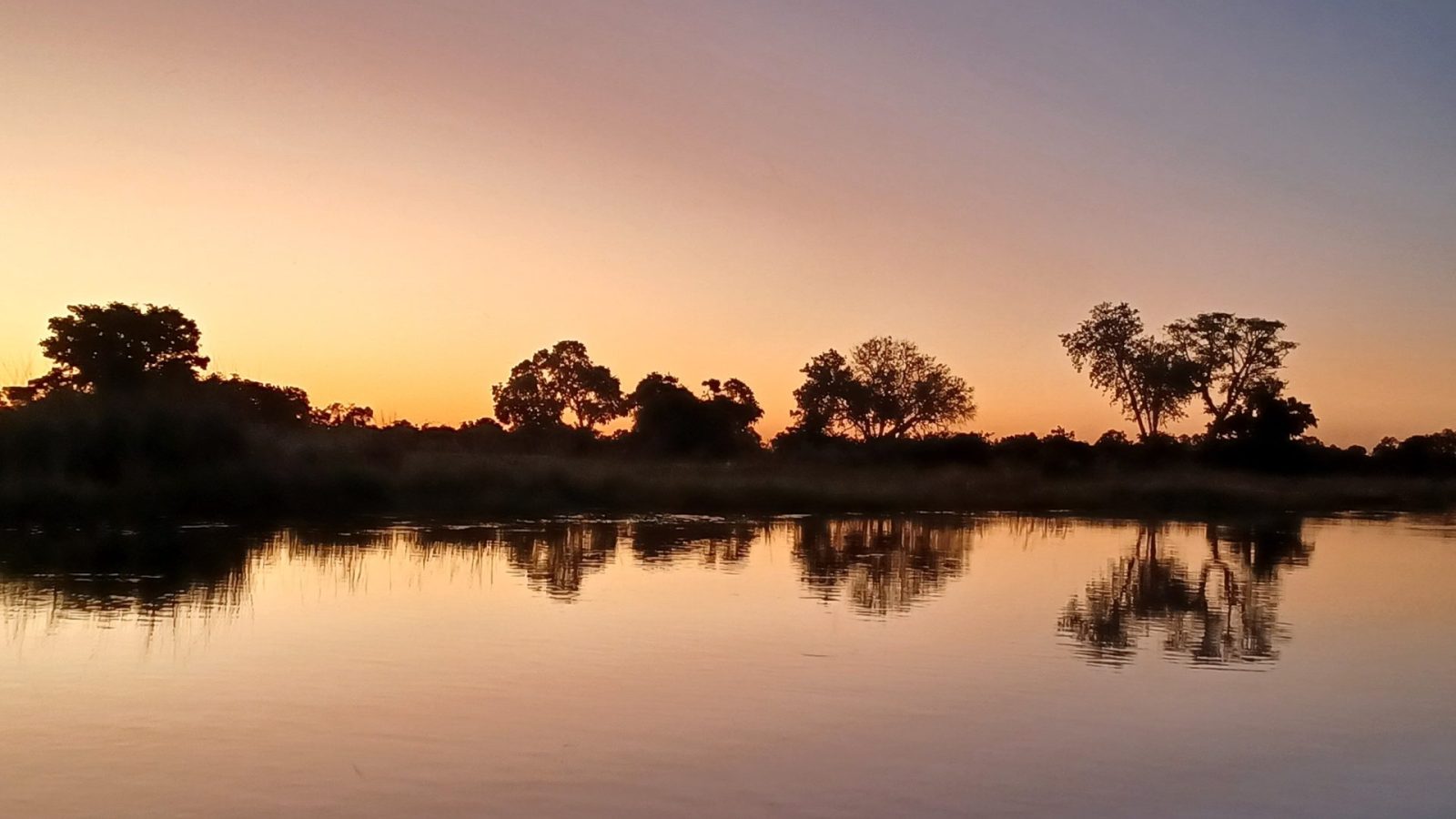
The wetlands and swamps of Burigi-Chato National Park run along the inlets and bays of Lake Burigi and the floodplains of the Kagera drainage, and they hold the park’s rarest wildlife, including sitatunga antelope and specialised papyrus birds. Boat safaris, canoeing trips and early morning wetland birding are the ways visitors reach them. Burigi-Chato covers 4,707 square kilometres of northwestern Tanzania between Lake Victoria and the Rwandan border, with swamp forming one of several habitats inside it.
These are the parts of the park that most visitors drive past. They are also the parts worth planning around.
Wetlands and Swamps Across a Burigi-Chato Safari
A Burigi-Chato wetland safari works a specific set of places rather than the park as a whole. The freshwater lakes here lie along winding valleys, and Lake Burigi in particular is long and narrow with a scatter of islands and a great many inlets and bays running off it. Some of those side arms are open water. A good number are swamp.
Beyond the lake margins there are rivers, floodplains and seasonally flooded ground where the water spreads out after rain and retreats through the dry months. The Kagera system runs along the western side of the park and feeds the same drainage. Between the papyrus, the reed beds, the floodplain grass and the riverine forest along the watercourses, there is a substantial amount of wetland packed into an otherwise wooded park.
The concentration matters. In a park this large with recovering wildlife numbers, water is what tells you where to look.
Papyrus Swamp Tours Along the Lake Burigi Inlets
Papyrus is the defining plant of these swamps and it creates a habitat unlike anything else in the park. It grows in dense stands, three metres or more, on floating mats of root and decaying vegetation that will not carry a person’s weight but will carry an animal built for it.
Standing at the edge of a papyrus bed, you cannot see into it. That single fact governs everything about wetland wildlife viewing here. Species that live inside papyrus are heard far more often than seen, and the ones that come to the edge do so at specific hours, mostly the first and last of daylight.
Work the papyrus edges from a boat rather than the bank. From the water you come in quietly, you sit at eye level with the reed line, and you can hold position without disturbing the ground the animals are about to walk onto.
Reed beds and sedges fill the shallower margins. Occasional palms stand along the valley lines. The transition from swamp to woodland can happen inside fifty metres, which is why these edges are so productive.
Sitatunga Watching in the Burigi-Chato Swamps
The sitatunga is the animal these swamps are known for, and Burigi-Chato is one of a small number of Tanzanian parks where seeing one is a realistic goal rather than a fluke.
Sitatunga are semi-aquatic antelope, and they are built for exactly this ground. Their hooves are elongated and splayed, spreading their weight across floating vegetation that would not hold a bushbuck. They swim well. When alarmed they submerge, leaving only the nostrils above water, and they will hold that position for a long time.
Males are dark and shaggy with spiral horns. Females are smaller and reddish. Both feed at the papyrus margins around dawn and dusk and retreat into the reed beds through the day.
Sightings are not guaranteed and no operator should tell you otherwise. What improves the odds is being on the water before sunrise, moving slowly along the swampy inlets with a guide who knows which bays hold them, and being willing to try more than one morning. People who sit still and wait see sitatunga. People who want to cover distance do not.
A sitatunga sighting here is usually a head and shoulders in the reed line, held for a few seconds. That is what success looks like, and it is worth the early start.
Birdwatching Safaris in the Burigi-Chato Wetlands
Wetland birding is the strongest single reason to visit these swamps, because papyrus and open water together support species you will not find in the surrounding woodland.
African fish eagles occur at unusually high density along the lake and river margins, and their call is the constant soundtrack of any boat trip here. Saddle-billed stork work the shallows. Wattled crane, wattled lapwing and Senegal lapwing are recorded around the wetland edges, along with herons, egrets, pelicans and several kingfisher species.
Papyrus specialists are the prize. The papyrus gonolek is associated with the reed beds of this system, and it is a bird that birders travel for. White-browed coucal and various weavers, including village weaver, work the reed and swamp margins. Red-necked francolin and cattle egret occur on the adjoining grassland.
From around November, Eurasian migrants arrive and swell the waterbird numbers through the northern winter. The wet months are poorer for mammals and better for birds, which is a genuine tradeoff rather than a consolation.
The Shoebill Question on a Burigi-Chato Birding Safari
Ask about shoebill and you will get an optimistic answer from a lot of websites. Here is the honest version.
Park literature raises the possibility of shoebill stork in the swampier sections of Lake Burigi, and the habitat is right for it. Shoebills need extensive undisturbed papyrus with shallow water and a good supply of lungfish, and the Burigi inlets fit that description. The species occurs in the wider region.
Confirmed sightings here, though, are scarce. This is not Uganda’s Mabamba Bay, where the birds are known individuals and boat guides find them daily. If a shoebill is your specific target, plan a trip built around a place with a reliable population and treat Burigi-Chato as a possible bonus rather than the main attempt.
That said, someone will eventually document them here properly. The habitat is there and the park is barely surveyed.
Boat Safaris and Canoeing Trips Through the Wetland Margins
TANAPA charges a specific boating safari fee for Burigi-Chato, and boat trips launched from near the ranger posts are the standard way onto the water. Canoeing is charged separately and more cheaply, capped at a maximum of three hours per session in this park.
The two do different jobs. A motorised boat gives you range along a lake that is genuinely long, letting you reach several inlets in one outing. A canoe gives you silence, which along a papyrus edge is worth more than distance. For sitatunga and shy waterbirds, the canoe wins.
Book ahead through the park rather than turning up and hoping. Visitor infrastructure here is young and boat capacity is limited.
Guides will route around hippo pods, and you should let them. A canoe and a hippo are a bad combination regardless of how calm the water looks.
Hippo and Crocodile Watching in the Swamp Channels
Hippo and large Nile crocodile are abundant through the lakes and rivers, and in the swamp channels they are the animals you are most certain to see.
Hippos hold in deeper water through the heat of the day, surfacing in pods, and move out at night to graze the surrounding grassland. Late afternoon boat trips often catch them starting to shift. Crocodiles bask on mud banks and sandbars through the middle of the day, and the larger individuals in this system are substantial animals.
Both are the reason swimming is not an option anywhere on this water, no matter how inviting a stretch looks. Bilharzia risk in still freshwater is a further reason.
Water monitor lizards work the banks. Pythons are recorded in the park. Otters have been noted in the wider Lake Victoria system and are an occasional sighting along quieter channels.
Floodplain Game Drive Safaris and Seasonal Wetland Grazing
Beyond the permanent swamp there are floodplains, and these behave completely differently through the year.
After the rains they flood and the grass grows fast, drawing grazing herds out from the woodland. Buffalo, zebra, topi, impala and waterbuck all use this ground. Defassa waterbuck in particular favour the wetter margins and are among the more reliable large antelope near water here.
As the dry months progress the floodwater retreats, the grass is grazed down, and the animals concentrate closer to the permanent lake and river edges. This is the movement that makes June through September the best game viewing window in the park.
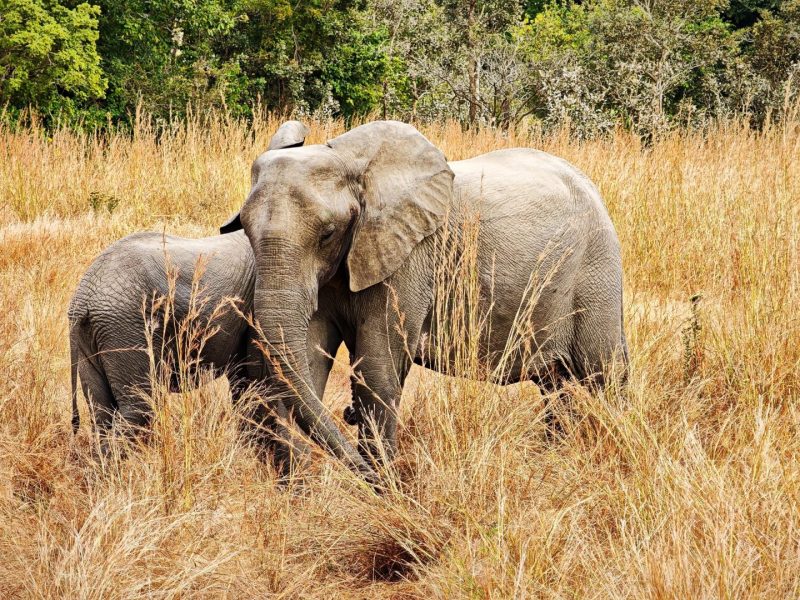
Elephant use the drainage lines and floodplains heavily, and their movements between the Burigi area and the wider Moyowosi system have been noted along related routes.
Why These Wetlands Matter Beyond the Safari Circuit
The water leaving this system does not stop at the park boundary. The Kagera River, which runs along the western side of the park, is the largest single tributary of Lake Victoria and carries water from the most distant headwater of the Nile. The swamps and floodplains along this drainage filter and hold that water before it goes.
Lake Victoria supports one of the largest inland fisheries anywhere, and the fishing communities along the Tanzanian shore near Chato and Bukoba depend on the health of the inflow. Papyrus swamp does real work in that chain, trapping sediment and nutrients that would otherwise go straight into the lake.
Protecting these wetlands was part of the argument for merging the former Burigi, Biharamulo and Kimisi reserves into a single national park in 2019, and it is why the swampy inlets are managed rather than drained.
Best Time for a Wetland Safari in Burigi-Chato
This region runs on two rainfall peaks, in November and December and again in March and April, with dry weather from June through September.
June to September: The strongest window overall. Wildlife concentrates on permanent water, boat conditions are settled, sitatunga are easier to find at the reed edges, and access tracks are firm.
October to December: Rain returns, floodplains fill, and waterbird numbers rise as Eurasian migrants arrive. Best birding of the year, weaker for mammals as the game disperses.
January to February: A drier gap. Workable for both boat trips and drives, and very quiet in visitor terms.
March to May: The heavier rains. Boats still run, but reaching the launch points on unsurfaced tracks becomes the limiting factor and days can be lost.
For sitatunga, aim at July through September, at first light.
Getting to the Wetlands for Your Safari, and What to Bring
Most visitors come by road from Mwanza, around 150 kilometres and three to five hours, or from Bukoba, closer at roughly two to three hours. Chato town sits about 40 kilometres from the Katete Gate. Chato and Bukoba both receive domestic flights, and private charters can land at an airstrip near the Nkonje ranger post beside Lake Burigi, which puts you within reach of the wetlands immediately.
The Nkonje area has bandas and a tented camp with basic amenities, and public and special campsites sit near the shore. Staying on the water is the difference between a dawn boat trip and a two-hour pre-dawn drive.
Optics: Binoculars with good low-light performance matter more here than anywhere else in the park, because the productive hours are dim and the subjects are half hidden in reed.
Clothing: Long sleeves and trousers in muted colours, a warm layer for early boat trips since mornings on the water are cold, and a waterproof shell.
Protection: Strong insect repellent, since wetland margins mean mosquitoes, plus malaria prophylaxis for the whole trip and a sun hat for open water.
Kit: A dry bag for cameras, spare batteries, and a headtorch for pre-dawn starts. Carry your own drinking water, as there is none available inside the park.
Frequently Asked Questions About a Burigi-Chato Wetland Safari
How much does a wetland boat safari at Burigi-Chato cost?
The boating safari fee is currently US$20 per person for non-East African visitors, expatriates and residents, and TZS 10,000 for East African Community citizens. Canoeing, which is capped at three hours in this park, is US$10 per person and TZS 5,000 for EAC citizens. Both sit on top of the daily conservation fee, and all TANAPA charges are quoted exclusive of 18 percent VAT. If you bring your own vessel, boat entry is charged separately from TZS 10,000 per day for a private East African registered craft of up to ten seats.
What is the park entry fee?
Burigi-Chato’s conservation fee currently runs at US$30 per person per day for non-East African adults aged sixteen and above and US$10 for children aged five to fifteen. Expatriates and Tanzanian residents pay US$15 and US$5. East African Community citizens pay TZS 5,000 and TZS 2,000. Children under five are free. There is no seasonal variation in this park, and a park guide is US$20 per group per day.
What are my chances of seeing a sitatunga?
Moderate, and much better in the dry season at first light from a boat working the papyrus margins slowly. Sitatunga are shy, well camouflaged, and live in habitat you cannot see into. Plan two or three early morning attempts rather than expecting one outing to deliver, and take a guide who knows the specific inlets. Nobody can guarantee this sighting, and a promise of one is a warning sign about the operator.
Are there shoebills in Burigi-Chato?
Possibly, and the papyrus habitat suits them, but confirmed sightings are scarce and the park is barely surveyed for them. Park literature mentions the possibility rather than claiming a resident population. If shoebill is your specific goal, build your trip around a site with a known population and treat any Burigi-Chato sighting as an unexpected bonus.
Can I swim or wade in the wetlands?
No. Hippo and large Nile crocodile are abundant throughout, and both are dangerous. Bilharzia is a further risk in still freshwater across this region. Stay in the boat, and do not wade at the launch points either. Guides will tell you where it is safe to stand at the water’s edge, and that advice is worth following exactly.
Is the wetland area good for birding in the wet season?
Yes, and that is the one clear advantage the wet months have here. Floodplains fill, waterbird numbers rise, and Eurasian migrants arrive from around November. The tradeoff is mammal viewing, since the game disperses away from permanent water once seasonal pans fill, and road access on unsurfaced tracks becomes unreliable during the heavier March to May peak.
Where should I stay to reach the wetlands early?
The Nkonje ranger post area beside Lake Burigi has bandas and a tented camp, and there are public and special campsites near the shore. TANAPA rest house, cottages and park tents at Burigi-Chato currently run at around US$35 per adult per night for the cottages and rest house and US$30 for park tents, with public campsites at US$30 per adult and special campsites at US$50. Staying inside is what makes a dawn boat trip practical.
Booking Your Burigi-Chato Trip
The safari companies and tour operators listed on this website put trips like this together for a living and know which camps, guides and routes actually deliver. We are an independent guide to Burigi-Chato; we do not book or sell tours ourselves.
When you are ready, arrange your safari, tour or holiday with one of the recognised operators listed here. Tell them your dates and what matters most, and a real person, not a form, will handle the itinerary, park bookings and logistics for you.